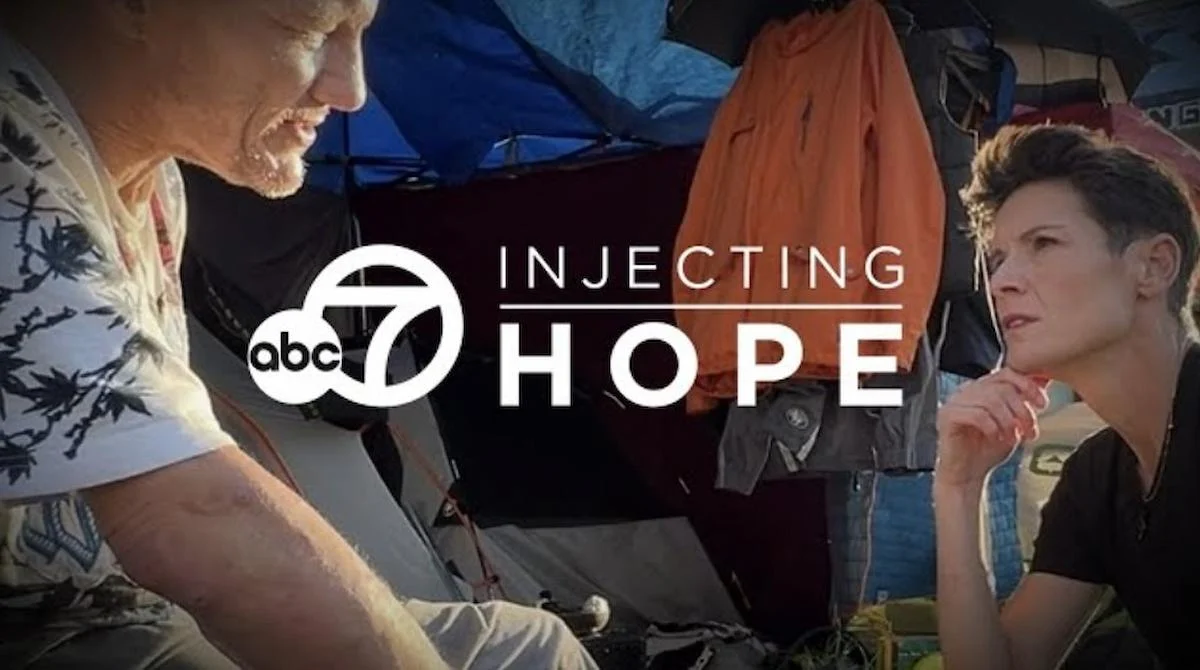
What can the United States learn from Canada’s approach to the overdose crisis? ABC7 News reporter Tara Campbell travels to British Columbia to examine harm reduction and the services designed to keep people who use drugs alive and connected to care. Through personal stories and expert perspectives, the documentary explores supervised consumption, fentanyl, homelessness, trauma, stigma, and barriers to treatment. It also looks inside Insite, North America’s first legally sanctioned supervised consumption site, while examining the broader debate over whether similar approaches could help communities struggling with overdose in the United States.
What happens inside the brain when occasional drug use becomes addiction? Experts use neuroscience, brain imaging, and personal stories to explain how opioids affect dopamine, cravings, withdrawal, decision-making, and the brain’s reward system. The film also explores the roles of genetics, family history, and childhood trauma in addiction risk, while examining approaches to treatment and harm reduction, including methadone, buprenorphine, naloxone, and supervised consumption sites. Alongside the science are stories of recovery that show why addiction is increasingly understood as a treatable medical condition rather than a moral failing.
This documentary travels across Canada to examine the country's overdose crisis through the experiences of advocates, families, frontline workers, and people directly affected by substance use. Focusing on harm reduction, it explores the efforts being made to prevent overdose deaths, reduce stigma, and improve access to support and life-saving services. Through personal stories and community initiatives, the film offers a broad look at one of Canada's most urgent and ongoing public health challenges.