WASTED: Beating Alcohol Addiction Through Evidence-Based Treatment
Introduction
This Nature of Things documentary follows Mike Pond, a Canadian psychotherapist whose own life‑threatening battle with alcohol upended everything he had built. After two decades of a thriving private practice, alcohol destroyed his career, home, and family, leaving him homeless and struggling through abusive recovery homes, emergency wards, and intensive care before he eventually began to rebuild his life. The only treatment initially offered to him was Alcoholics Anonymous, an abstinence‑based approach that didn't work for Mike, prompting him to search for alternatives rooted in science and compassion.
Through his journey, Pond became an advocate for compassionate, evidence‑based treatments and harm reduction—believing that any positive change offers people the best chance of recovery rather than rigid, one‑size‑fits‑all methods. The film, directed and co‑produced by his partner Maureen Palmer, weaves his personal experiences together with broader research on addiction and treatment approaches that extend beyond traditional abstinence‑only programs. As Pond shares both the depths of his struggle and the hard‑won wisdom he gathered along the way, WASTED offers a candid, hopeful look at healing and the need for a more humane approach to addiction care.
More from Mike Pond:
Share This Resource!
Share This Resource!
Quotes
"Founded in 1935, Alcoholics Anonymous quickly became the go-to and for the longest time, only treatment for alcoholism. Millions credit the program for their sobriety. You can find a meeting pretty well anywhere, anytime. In a field where treatment can cost tens of thousands, it's free."
"If you have a drinking problem someone is going to suggest AA and they badger you if you didn't go to AA or if AA didn't work for you. So, this piles on an experience to drinking where, in addition to having the problem, you have to deal with a lot of pressure and potentially a lot of shaming ... Making people feel bad about their drinking was never what the founders of AA intended, nor is it great therapy."
"Mike discovered an estimated 40% of addicts also suffer from a mental disorder and then shaming can become lethal … alcoholism is a key predictor of suicide."
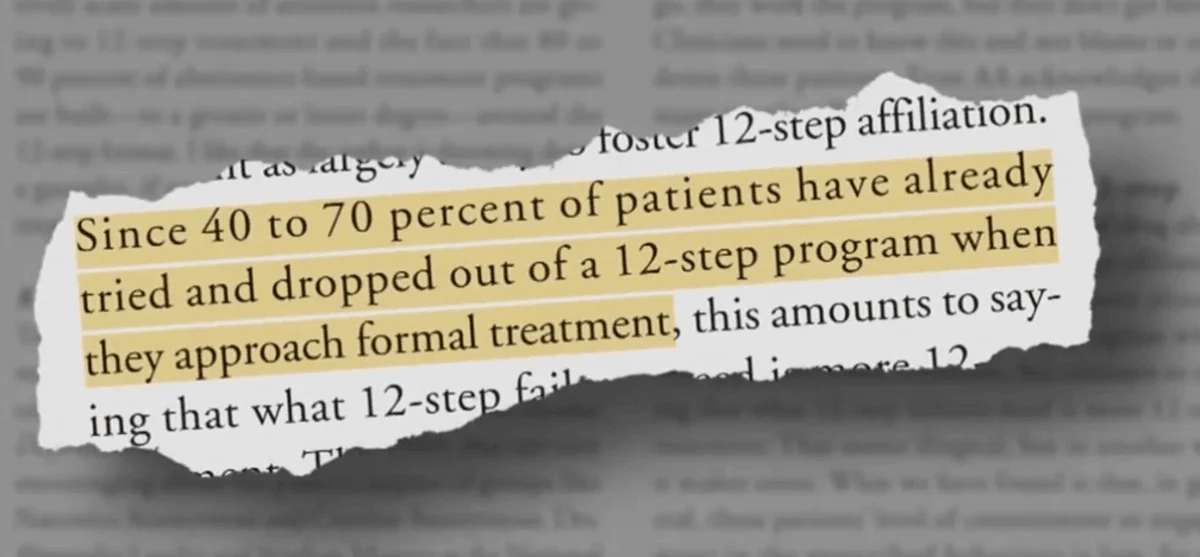
"Research suggests that AA works for about one third after one year, leaving the majority like Mike looking for something else."
"A major American report suggests the lack of care given addicted patients might even be medical malpractice. Basically, they describe most physicians as being unqualified to diagnose or treat addiction."
"Evidence-based treatment, meaning there's science behind it, is largely absent in addiction treatment. I would estimate that in Canada of those struggling with severe alcohol addiction about ... 1% are actually being prescribed evidence-based treatments."
"Scientists now believe [that] addiction is about 60% inherited, 40% environmental. There's likely no one gene, but more likely, genes that create character traits that increase risk."
"When we experience something pleasant, our brains are flooded with the neurotransmitter dopamine. This happens in the reward circuitry and extends to the prefrontal cortex, that part of our brain responsible for decision-making."
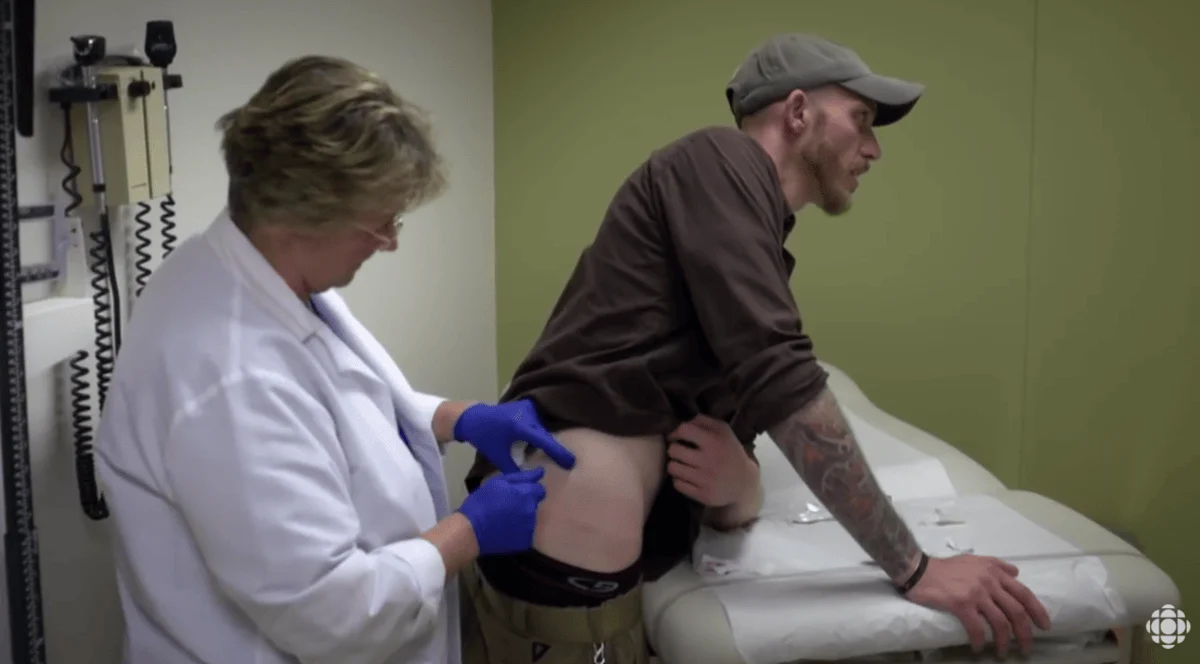
"Vivitrol is a slow-release injectable which blunts the effects of alcohol and prescription painkillers like oxycodone ... Studies show vivitrol has reduced heavy drinking and gets even better results helping people kick painkillers. Vivitrol is not yet approved in Canada. It's pill form, naltrexone, is but doctors rarely prescribe it."
"The classic example that's emerging now is gabapentin, which originally was marketed as pain medication, but because it has an effect on the reward pathway that's implicated in alcohol addiction, it has been explored in that context."
"I [Dr. Bill Miller] did one study combining huge data sets just to see what are the outcomes of alcoholism treatment in America. About 1-in-4 people stayed abstinent for a year after treatment, so that's 25 percent. So, let's take them out of the picture and look at the other 75% who have drunk during the year. They're alcohol consumption is down 87%. Now, for any other chronic condition, a 25% complete remission and an 87% reduction in symptoms for everybody else would be astonishingly successful and yet we've really disadvantaged ourselves by saying, you're a failure if you have even a single recurrence."
"When somebody gets ready to deal with their addiction, whether it's alcohol or heroin or meth, that's the pivotal moment that if we don't throw everything we have at them, I think [it's] malpractice in my opinion."
"Research confirms meditation helps alcoholics disconnect from cravings and judgmental thoughts, resulting in fewer relapses."
"Dr. Eickelberg works with a foundation to train doctors in addiction medication ... Our mission statement is to prevent the harm being done to patients by physicians who lack the knowledge, training and skill to recognize and treat addiction ... In Canada, British Columbia will soon make this online course to the province's doctors."
Continue Learning
Explore the topics covered in this resource with the links below. Whether you're looking for a quick overview, an in-depth article, or another video, these resources can help deepen your understanding. If there's a topic you'd like to see covered or you're looking for something specific, feel free to contact me.
Explore the topics covered in this resource with the links below. If you're looking for something specific or have a suggestion, feel free to contact me.









Share Your Review
Your perspective matters. By sharing your honest thoughts, you can help others understand what this resource is really like beyond a simple summary. Whether it resonated with you, challenged your thinking, or wasn't what you expected, your feedback helps build a more useful and transparent collection of addiction and mental health resources.
Your perspective matters and helps improve this collection of addiction and mental health resources.
There are no reviews yet. Be the first one to write one.