Winning the War on Drugs: Drug Decriminalization in Portugal
Introduction
In 2001, Portugal decriminalized the possession of small amounts of drugs for personal use, marking a dramatic shift in its approach to addiction. Once described as the heroin capital of Europe, the country had faced a severe drug crisis throughout the 1980s and 1990s, with widespread heroin use, open-air drug markets, and rising overdose deaths.
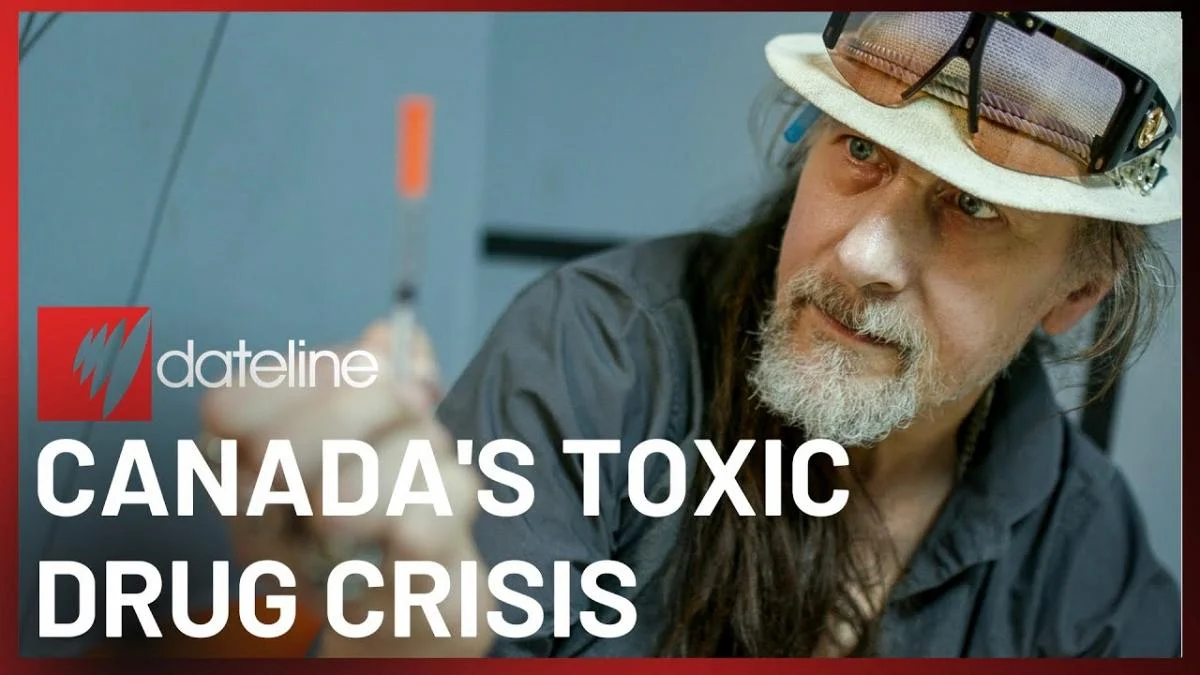
This episode of SBS Dateline travels to Lisbon to examine Portugal's model of drug decriminalization and its impact two decades after the reforms were introduced. Rather than treating personal drug use primarily as a criminal matter, Portugal shifted its focus toward health, treatment, harm reduction, and social support.
Through interviews with policymakers, health professionals, social workers, and people who use drugs, the investigation explores how decriminalization works in practice, the challenges that remain, and what countries such as Australia might learn from one of the world's most widely discussed drug policy reforms.
Portugal's Drug Decriminalization Model
Portugal's approach to drug decriminalization is often described as a public health success, but decriminalization was only one part of a broader system that included treatment, harm reduction, healthcare, and social support. While the country saw major improvements in several drug-related health outcomes, more recent challenges and reduced investment in support services have complicated the picture. Researchers and policy experts emphasize that Portugal's experience cannot be evaluated separately from the health and social services designed to support it.
Additional Resources:
Share This Resource!
Share This Resource!
Quotes
"Today is Freedom Day in Portugal, a national holiday that celebrates the country's shift from authoritarian rule to democracy in 1974."
"Under Portugal's decriminalized drug policy, it's not considered a crime to have up to 10 days worth of drugs for personal use. For marijuana, that's 25 grams. For cocaine, it's 2 grams. For heroin, it's 1 gram."
"What we mean by decriminalizing is not the same thing as regulating or legalizing. Decriminalizing means that we no longer treat it as a criminal offense, but it's still an illegal activity, so we deal with it as a misdemeanor offense."
"When democracy arrived in 1974, so did access to the outside world. Along with new prosperity came an influx of drugs. By the 90s, 1-in-10 people were using heroin and Casal Ventoso was home to the biggest open-air drug market in Europe. On average, one person in Portugal was dying from a drug overdose every single day."
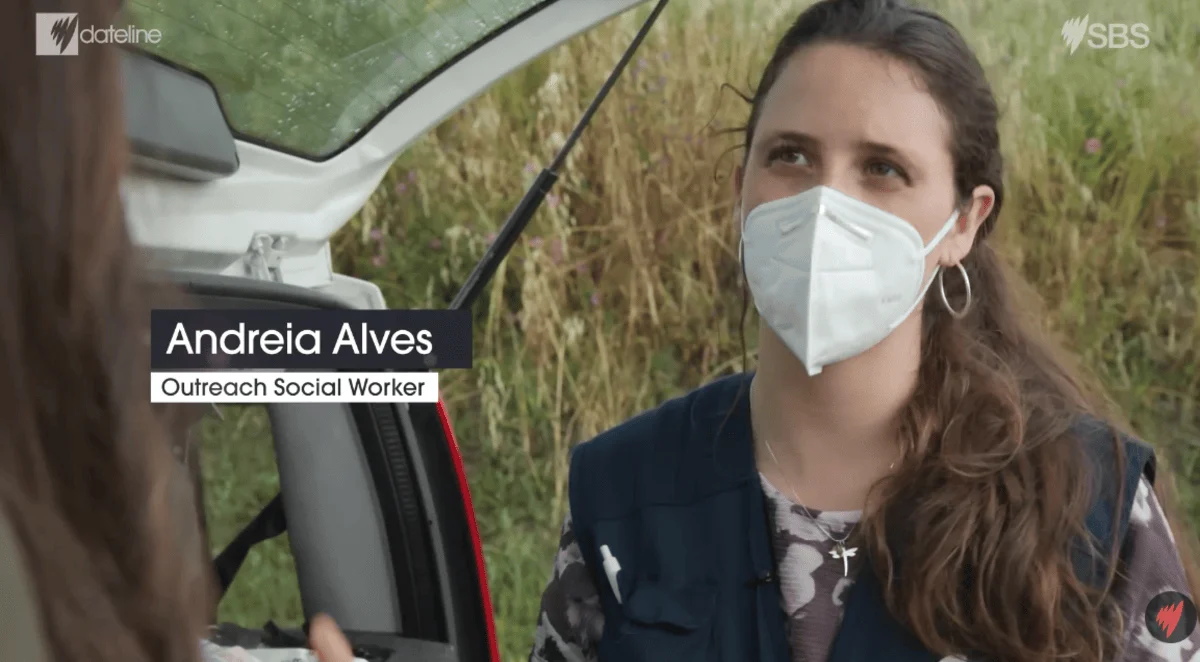
"It was not possible to have all this kind of work and all this support to people who use drugs because, in the past, these people were seen like criminals, and now they are seen as people who need help."
"Since Portugal decriminalized drug use, the number of people using heroin has reduced by 75%. It now has the lowest drug-related death rate in Western Europe and drug use among young people is below the European average. But while drug use is down, smuggling and dealing is still a problem in Portugal."
"In Australia, illicit drug use is growing and changing. The Coronavirus pandemic has made it harder for users to access cocaine and heroin, while use of new emerging drugs, thought to be more potent and more deadly, has surged. Each state and territory designs its own drug laws and last year the ACT became the first jurisdiction to legalize the use and possession of small amounts of cannabis. Then, in February, a bill was introduced that would follow in Portugal's footsteps and decriminalize the possession of other illicit drugs."
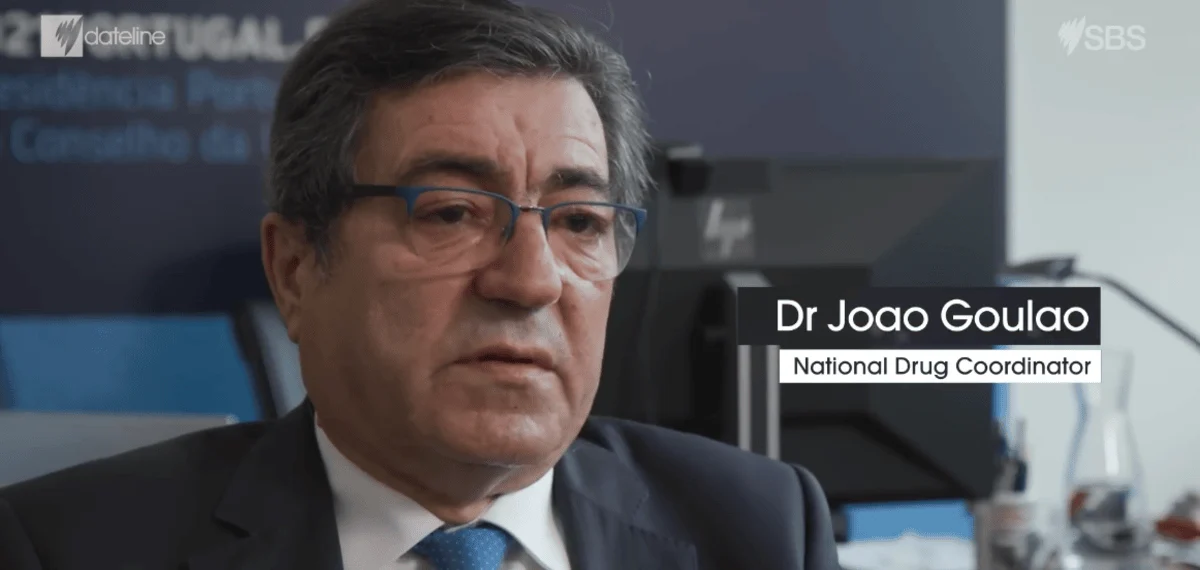
"Do you have any advice for Australia and its states and territories in considering decriminalization? The advice is mostly to have health and social responses available if you decide to do so. This is key for the success of this kind of policy."
"Despite the progress that Portugal's made in the last 20 years, the long-term impacts of drug dependence linger. This van drives around Lisbon giving out methadone to those suffering from heroin withdrawal symptoms."
"Methadone gives you the tranquility, the normality, for more than 20 hours. [If you don't come here, you] begin feeling uncomfortable. You get upset with everything. You cannot do nothing. You have no strength to wake up, to walk. It's so bad, it's so bad, it's impossible."
"Two decades since Portugal took the unprecedented step of decriminalizing drugs, a lot has changed. But not every problem is solved. Drug addiction and dependence is still rife here on the streets of Lisbon. And the underground drug trade is thriving. But many lives have been changed and potentially saved by putting health at the center of drug policy."
Continue Learning
Explore the topics covered in this resource with the links below. Whether you're looking for a quick overview, an in-depth article, or another video, these resources can help deepen your understanding. If there's a topic you'd like to see covered or you're looking for something specific, feel free to contact me.
Explore the topics covered in this resource with the links below. If you're looking for something specific or have a suggestion, feel free to contact me.





Share Your Review
Your perspective matters. By sharing your honest thoughts, you can help others understand what this resource is really like beyond a simple summary. Whether it resonated with you, challenged your thinking, or wasn't what you expected, your feedback helps build a more useful and transparent collection of addiction and mental health resources.
Your perspective matters and helps improve this collection of addiction and mental health resources.
There are no reviews yet. Be the first one to write one.