Prescription for Addiction
Introduction
Prescription for Addiction is a 2014 CAMH documentary examining the growing impact of prescription opioid dependence and addiction in Ontario. Through interviews with healthcare professionals, treatment providers, people with lived experience, and community leaders, the film explores how medications prescribed for pain can lead to physical dependence, withdrawal, and, for some people, opioid use disorder.
With a particular focus on communities in Northern Ontario, the documentary examines the stigma surrounding addiction, changing patterns of prescription opioid use, and the challenges of balancing effective pain management with the potential risks of opioid medications. It also highlights harm reduction initiatives and treatment options including methadone, counselling, withdrawal management, and peer support.
Through personal experiences and frontline perspectives, Prescription for Addiction explores how prescription opioid-related harms affect individuals, families, and communities while raising broader questions about prevention, access to treatment, and compassionate approaches to addiction.
Canada's Changing Opioid Crisis
Since Prescription for Addiction was released in 2014, Canada's opioid crisis has changed considerably. Prescription opioids played an important role in the earlier rise in opioid-related harms, but today's overdose crisis is driven primarily by illegally manufactured opioids in the toxic drug supply, particularly fentanyl. Opioid-related deaths remain a major public health concern across Canada, although national deaths declined in 2025 after reaching much higher levels in previous years. Harm reduction, opioid agonist treatment, naloxone, and other health and social supports remain central parts of Canada's response.
Additional Resources:
Share This Resource!
Share This Resource!
Quotes
"Withdrawal is, when the drug disappears, they now feel what it's like to have created a shutdown in their own pain-reducing mechanisms. Everything's going to ache. You're going to ache all over – you're going to start having headaches, you're going to have other things like anxiety, depression, you will just feel very agitated, on edge, restless."
"I actually had one pharmacist ask me if I was weaning myself off of heroin and I got so mad. It was very difficult to deal with because everybody has this preconceived notion that if you're addicted, then well, you must have been you must have liked taking it or something."
"Many older people have no knowledge of medications. They were not brought up to the knowledge that people have today and another thing is [that] they put physicians on a pedestal and they are not God."
"We have seen a rather dramatic increase in the prevalence rates of opiate dependency and opiate addiction within this community and within our region. Even two years ago, the rate of opiate dependency, in terms of folks that were coming for treatment was at about 10%, and even at that that time it was primarily your street drugs such as heroin. In the last two years, we've seen a dramatic shift toward prescription opiates, and this is all age groups – youth, older adults, adults. The stats are now approaching 50% of the clients that are coming through our services are opiate dependent and struggling with opiate dependency."
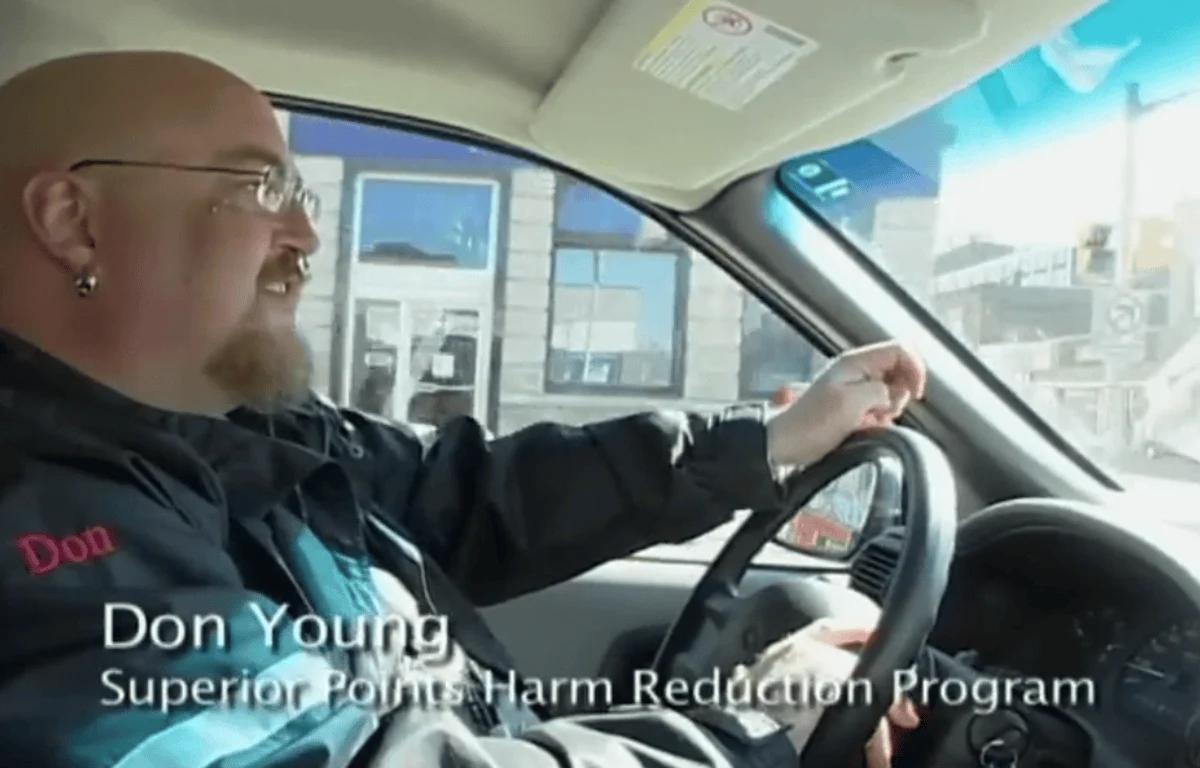
"Our job is to provide safe injection supplies to injection drug users in the city of Thunder Bay, also to provide harm reduction services for the entire community by picking up publicly discarded syringes, making sure that injection supplies are disposed of properly and to help reduce the spread of bloodborne diseases among the injection drug using population."
"Often times with doctors, GPs (general practitioners) who are very well-intentioned [who] want to help, and their first instinct is to cut the person off completely. They say, that's it, you get no more oxys, that'll cure your addiction. It doesn't work that way. That often drives them to other sources to get the pills that they physically are craving for at that point … they actually need that pill to keep from getting sick. So, when the doctors do that, as well intentioned as they may be, it just increases the drug trade on the street."
"Their idea around chronic substance use or addictive behavior is coming at it from a moral point of view, instead of that the person has an illness that needs to be treated as an illness. Addiction has been around since the very first substance was ever introduced and it's not going away. It needs to be looked at with less morality and more reality."
"We used to have problems with prescription drugs; it was always there, but it was very small. In the past year, year and a half, it just exploded. Kids from 14 to people that are in their 70s are addicted to this stuff on reserve now."1
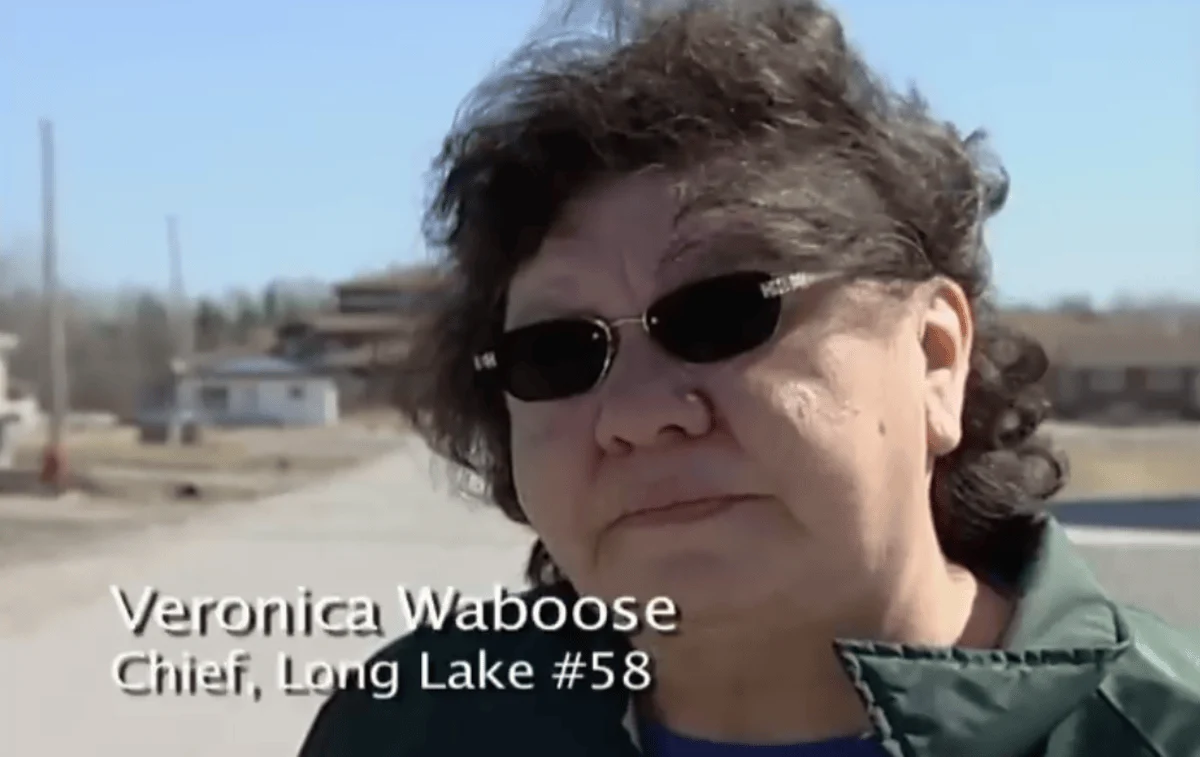
"What I'm really concerned about is our children, our babies, they're recognizing what they see at home."
"The thing about methadone that's special is it's an ultra long-acting opioid. Methadone doesn't cause a person to be high, and it also prevents them from going into withdrawal, so they don't have to worry about when they're going to take their next dose or when they're going to get their next dose. I can see changes in people very quickly after they start on the program. They come in to see me one or two weeks after starting and their faces are brighter; their mood is better."2
"Other treatment options include counselling, self-help groups like Narcotics Anonymous, detoxification programs, outpatient programs, tapering protocols, and maybe even going away to therapeutic communities, which take people in for six months or longer, where they really work on that person getting away from drugs."
1 Indigenous communities continue to be disproportionately affected by opioid-related harms in Canada. Investigations have linked rising opioid dependence to decades of increasing prescription opioid use, with First Nations and Inuit communities among those most heavily impacted.
2 Methadone remains one of the most widely used treatments for opioid use disorder in Canada. National monitoring through 2025 estimated that approximately 65,000 to 75,000 Canadians were receiving methadone as part of opioid agonist therapy programs.
Continue Learning
Explore the topics covered in this resource with the links below. Whether you're looking for a quick overview, an in-depth article, or another video, these resources can help deepen your understanding. If there's a topic you'd like to see covered or you're looking for something specific, feel free to contact me.
Explore the topics covered in this resource with the links below. If you're looking for something specific or have a suggestion, feel free to contact me.




Share Your Review
Your perspective matters. By sharing your honest thoughts, you can help others understand what this resource is really like beyond a simple summary. Whether it resonated with you, challenged your thinking, or wasn't what you expected, your feedback helps build a more useful and transparent collection of addiction and mental health resources.
Your perspective matters and helps improve this collection of addiction and mental health resources.
There are no reviews yet. Be the first one to write one.