Vodka has long been woven into Russian culture, but its widespread use has come at an enormous human cost. This documentary explores the country's complex relationship with alcohol by examining its history, cultural significance, economic influence, and devastating impact on public health. Through interviews with medical professionals, researchers, producers, and people affected by alcohol misuse, it reveals how deeply alcohol has shaped Russian society while highlighting the ongoing challenges of reducing consumption, preventing alcohol-related harm, and changing long-standing social attitudes toward drinking.
TOPICS: Alcohol, Depressants, Drinking Culture, Public Health, Russia
New Zealand’s war on drugs comes under scrutiny in this investigation of methamphetamine use, criminalization, and the search for more effective solutions. Journalist Guyon Espiner speaks with people directly affected by addiction alongside police, treatment providers, policymakers, and harm reduction advocates. Their experiences reveal the limitations of a system that devotes substantial resources to enforcement while leaving many people without adequate support. By examining treatment referrals, drug checking, poverty, stigma, and decriminalization, this resource presents a compelling case for replacing punishment with compassionate, evidence-based public health approaches.
What begins as one journalist's decision to stop drinking becomes a thought-provoking exploration of New Zealand's relationship with alcohol. Reflecting on his own experiences, Guyon Espiner investigates why drinking is so deeply embedded in social life while examining the cultural expectations, public health consequences, and commercial forces that shape alcohol use. Through personal reflection, expert insights, and investigative reporting, this resource encourages viewers to question long-held assumptions about alcohol and consider how culture, policy, and industry influence the choices people make.
Alcohol is deeply woven into many cultures, making it difficult to recognize when casual drinking becomes a serious health concern. In this documentary, broadcaster Adrian Chiles examines Britain's relationship with alcohol while reflecting on his own drinking habits and speaking with experts, healthcare professionals, and others affected by alcohol use. Combining personal experience with scientific insight, this resource explores the risks of excessive drinking, the challenges of changing long-established habits, and why alcohol misuse often goes unnoticed until significant harm has already occurred.
TOPICS: Alcohol, Depressants, Drinking Culture, Public Health, United Kingdom
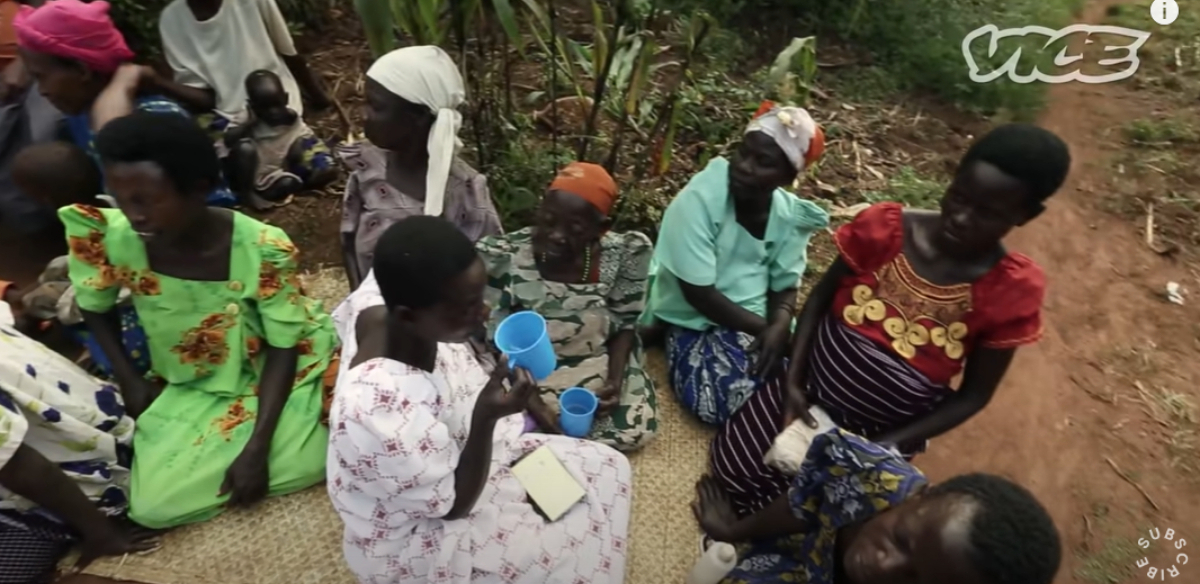
This eye-opening documentary explores the devastating impact of Uganda's illicit moonshine industry, where cheap homemade alcohol fuels addiction, chronic poverty, and serious health consequences. By examining the production of waragi and the communities affected by its widespread use, it reveals how economic hardship, limited opportunities, and hazardous drinking practices have become deeply interconnected. Through firsthand accounts and on-the-ground reporting, this resource offers a powerful look at the complex social, economic, and public health challenges surrounding alcohol misuse in one of the world's hardest-hit regions.
TOPICS: Alcohol, Depressants, Homelessness, Poverty, Public Health, Uganda
Alcohol use disorder is often misunderstood as a lack of willpower rather than a treatable medical condition. Through the personal journey of family physician Dr. Jeff Harries, this documentary challenges long-standing misconceptions by exploring the science of addiction, evidence-based treatment options, and the importance of compassion in recovery. Combining lived experience with medical expertise, this resource offers a hopeful perspective on alcohol use disorder while highlighting how greater awareness and improved access to treatment can transform lives for individuals and their families.
Growing up with a parent struggling with alcohol addiction can leave lasting emotional wounds that often continue into adulthood. Through an honest conversation with Calum Best, this documentary explores the impact of losing his father, football legend George Best, to alcoholism while reflecting on the challenges faced by children living with parental addiction. Blending personal experience with expert insight, this resource highlights the importance of breaking stigma, supporting young people affected by addiction, and finding healing through understanding, connection, and open conversation.
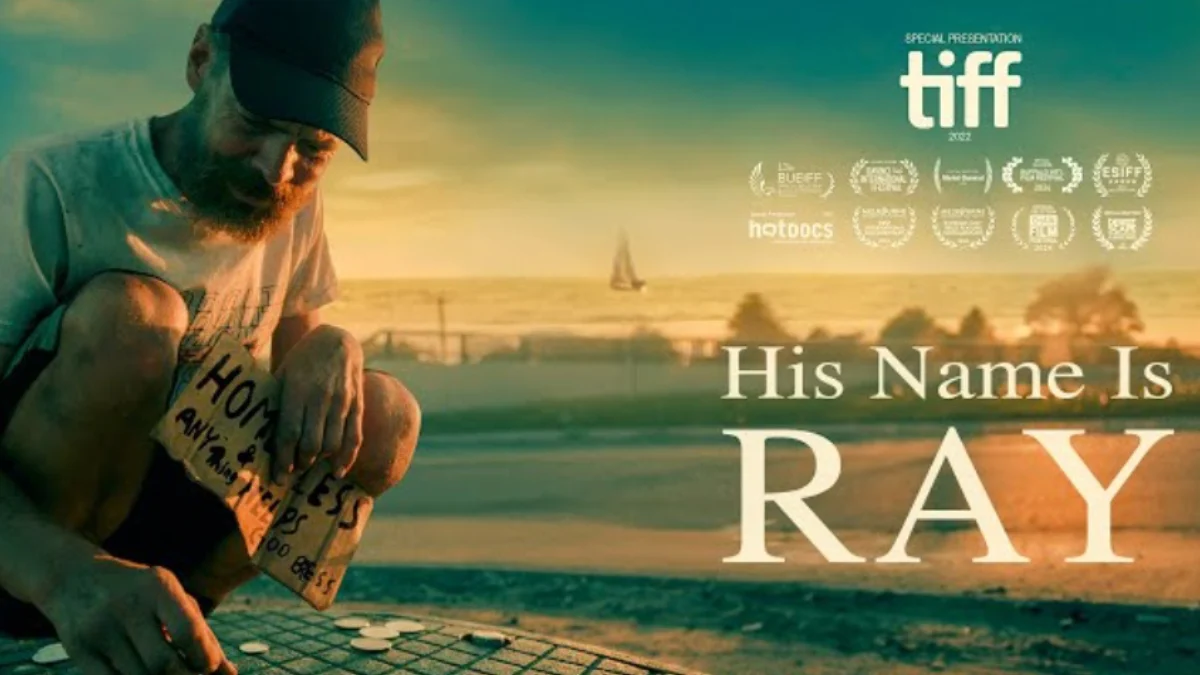
This powerful documentary follows the daily life of a man experiencing homelessness and addiction on the streets of Toronto, revealing the realities that often go unseen. As Ray navigates fentanyl use, survival, and the constant risks of life on the street, his resilience, humanity, and hope remain at the heart of his story. Rather than relying on stereotypes or sensationalism, this resource offers a compassionate look at the complex relationship between addiction, homelessness, and the ongoing opioid crisis, encouraging greater understanding of the people behind the statistics.
TOPICS: Canada, Fentanyl, Heroin, Homelessness, Opioid Crisis, Opioid Use Disorder, Opioids, Overdose, Personal Stories