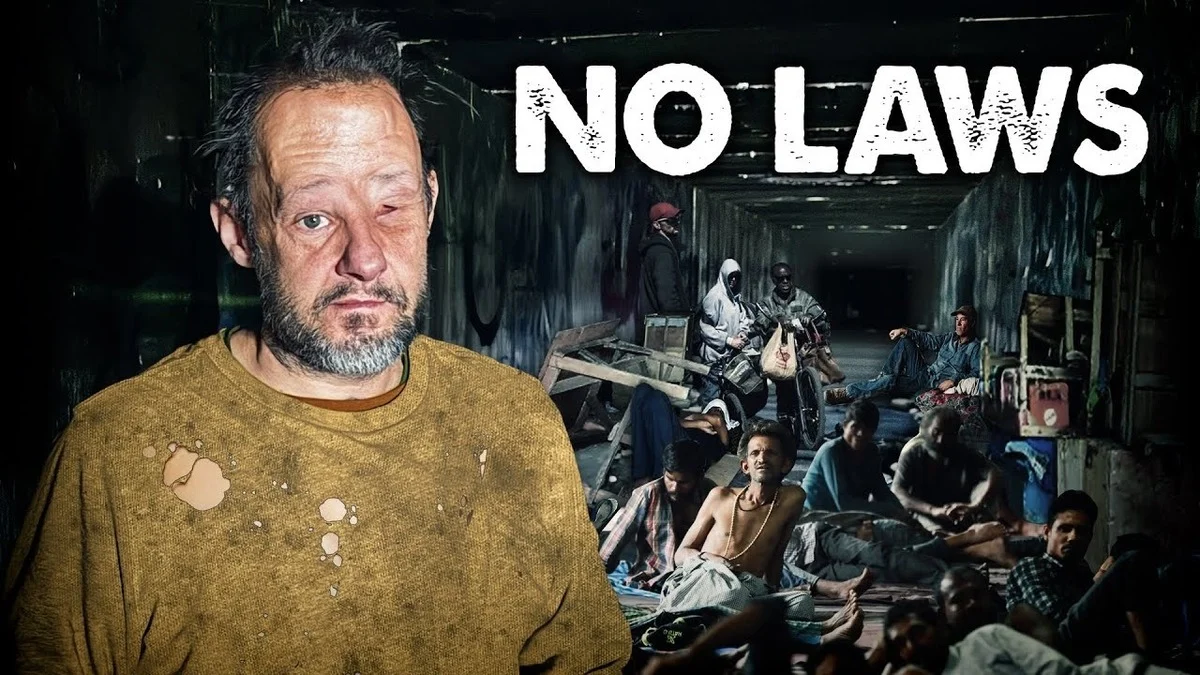
This documentary explores the hidden community living in the storm drain tunnels beneath Las Vegas, where hundreds of people experiencing homelessness struggle with addiction, poverty, and the daily challenges of surviving off the grid. Guided by a former tunnel resident who now works in outreach, Drew Binsky meets the people who call the tunnels home and hears their stories firsthand. Along the way, the film highlights the work of a local nonprofit helping residents access housing, treatment, and support as they work toward rebuilding their lives.
TOPICS: Homelessness, Non-Profits, Personal Stories, Poverty, Public Health, Stigma, USA
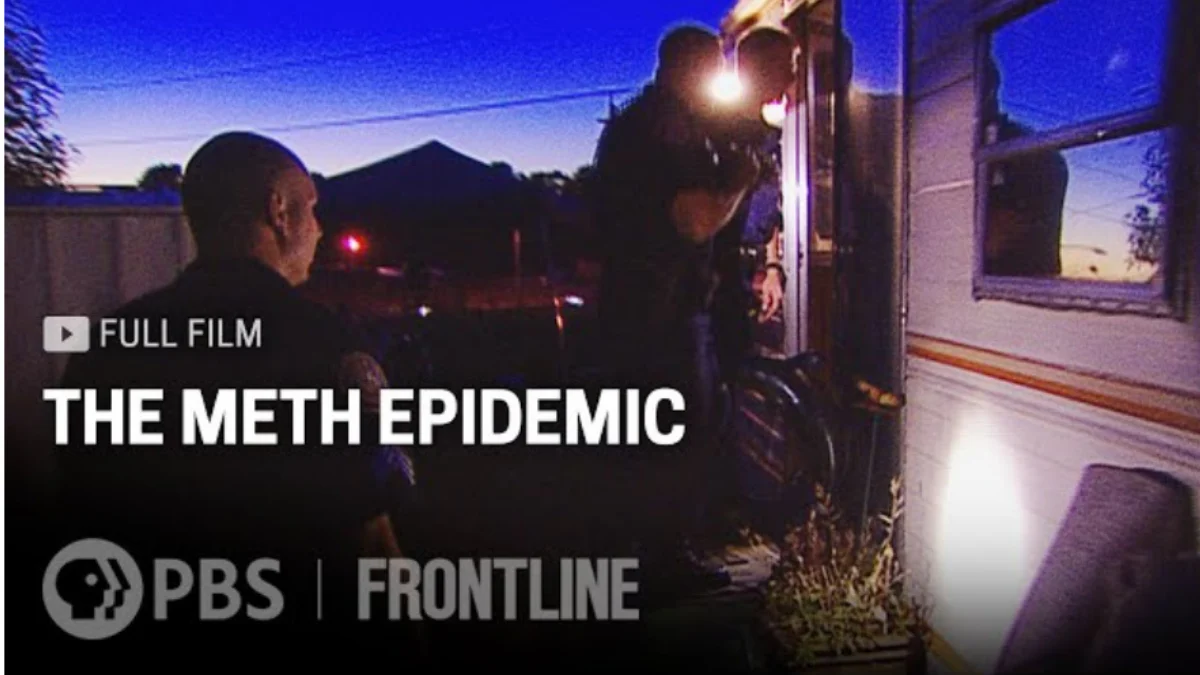
This FRONTLINE documentary examines the rise of the methamphetamine epidemic in the United States, tracing how the drug spread from localized production to a nationwide crisis affecting individuals, families, and communities. It explores the role of precursor chemicals such as ephedrine and pseudoephedrine, the evolution of meth production and trafficking, and the challenges of regulating legitimate medications used to manufacture the drug. Through interviews with researchers, law enforcement, healthcare professionals, and people affected by addiction, the film investigates the devastating impact of methamphetamine and the difficulties of containing its spread.
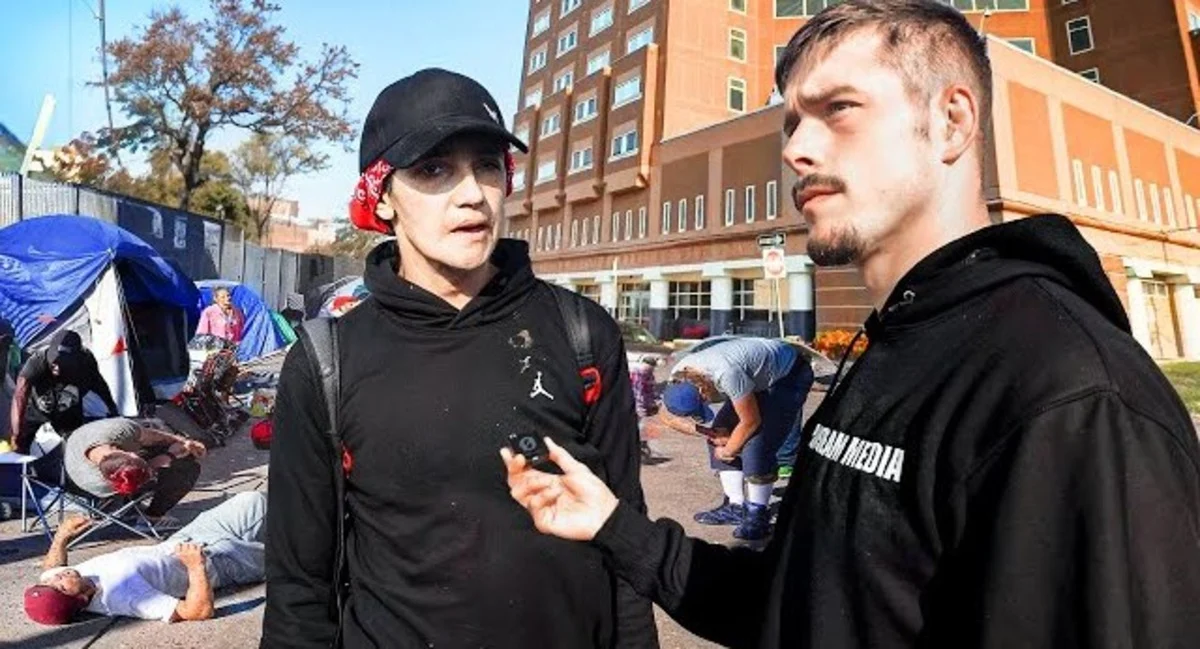
This documentary explores Boston's Methadone Mile, an area where addiction treatment services exist alongside homelessness, open drug use, and illicit drug markets. Through interviews with healthcare professionals, people living with addiction, individuals in recovery, and street-level dealers, it examines the challenges of recovery in an environment where support and relapse triggers often coexist. The film also explores the policies and circumstances that contributed to the area's development and the ongoing efforts to address the crisis.
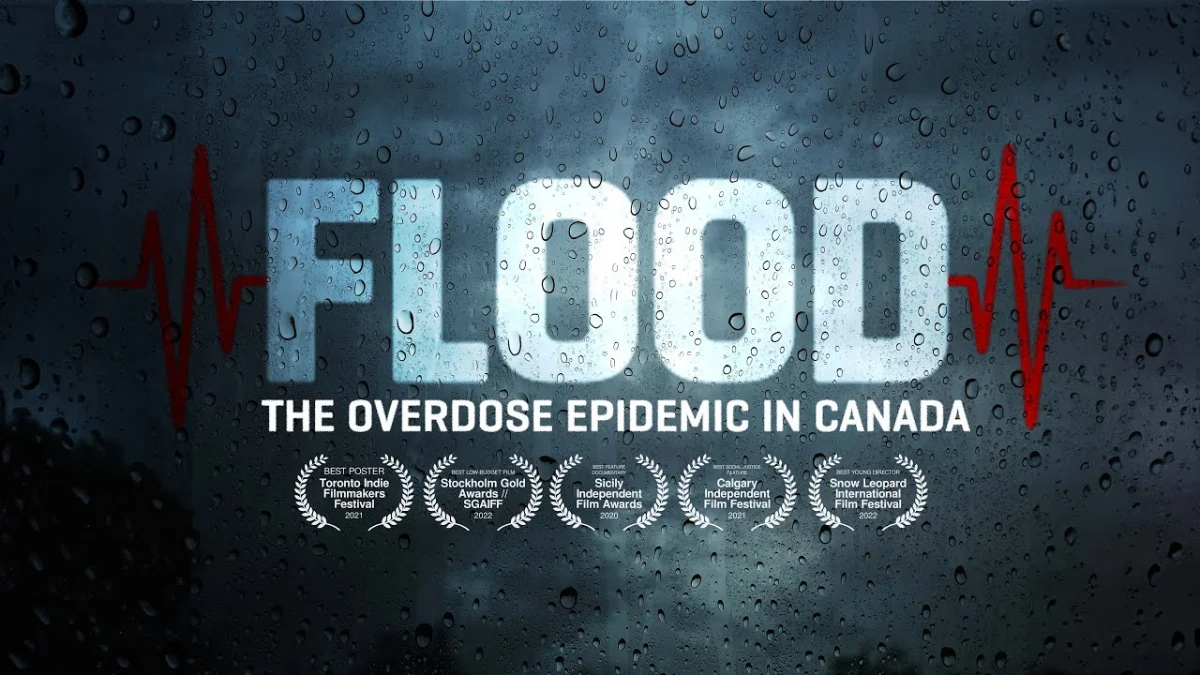
This documentary travels across Canada to examine the country's overdose crisis through the experiences of advocates, families, frontline workers, and people directly affected by substance use. Focusing on harm reduction, it explores the efforts being made to prevent overdose deaths, reduce stigma, and improve access to support and life-saving services. Through personal stories and community initiatives, the film offers a broad look at one of Canada's most urgent and ongoing public health challenges.
Filmmaker Michelle Wong shares the story of her brother Phillip, whose struggle with gambling addiction had a devastating impact on both his life and those closest to him. Speaking with family members, friends, and professionals, she pieces together the events that shaped his addiction while exploring the emotional toll it left on those closest to him. Through personal reflection and expert insight, the documentary offers a moving examination of gambling disorder, loss, and the lasting effects of addiction on individuals and families.
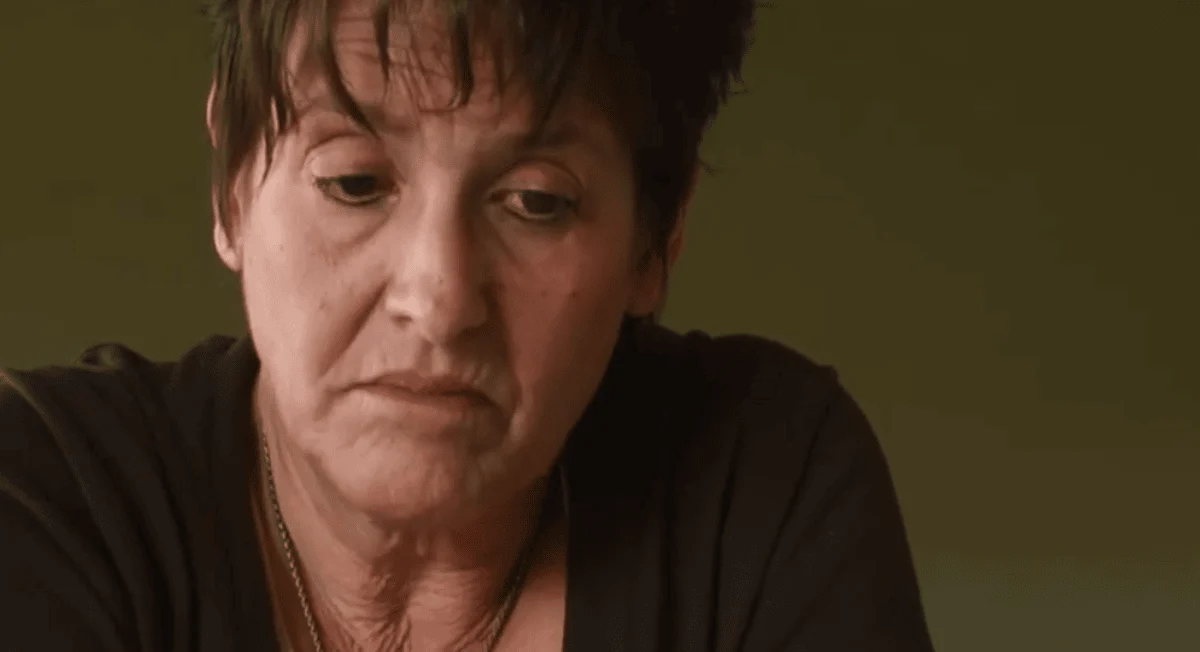
Joy's story explores the devastating consequences of gambling addiction after she embezzled $700,000 employers to support her gambling. As she awaits sentencing, she reflects on the choices that led to her crimes while trying to help both herself and her children understand the grip of addiction. Alongside her personal story, the documentary features insights from addiction professionals who explain the psychological and neurological factors behind gambling disorder, offering a broader understanding of how behavioural addictions develop and why recovery can be so challenging.
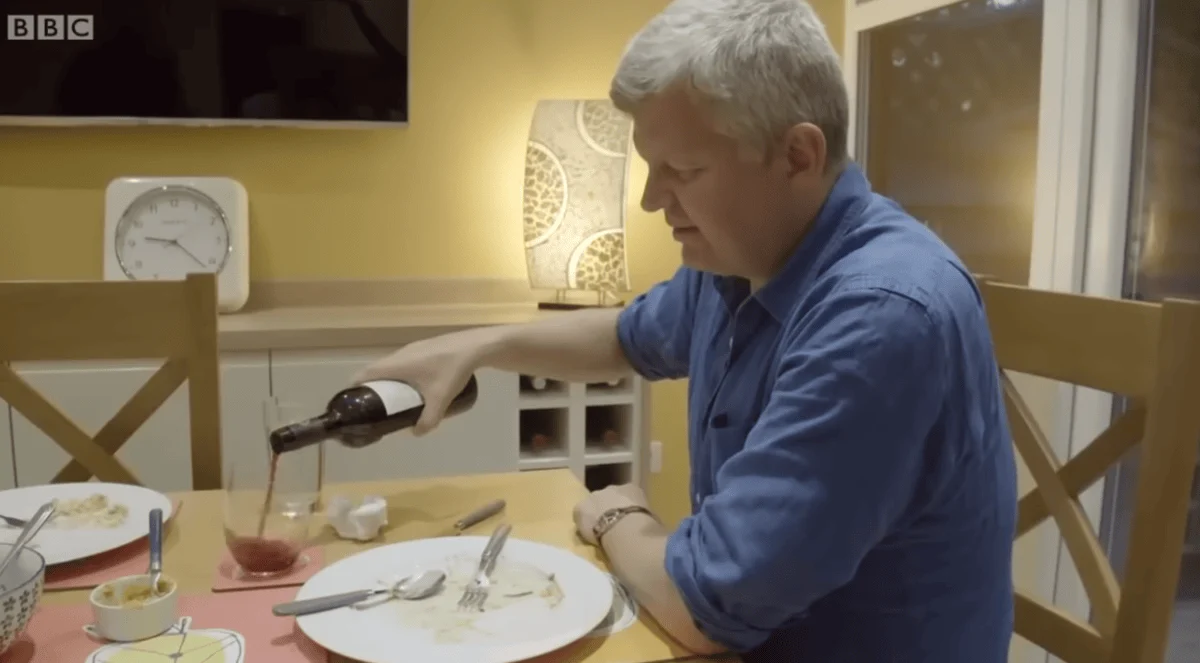
Many people who struggle with alcohol don't fit the stereotype of what an alcohol problem looks like. In this honest and deeply personal documentary, Adrian Chiles reflects on his own drinking habits while exploring why alcohol has become such a normal part of everyday life. Through medical assessments, conversations with addiction specialists, and personal reflection, he examines the physical and psychological effects of long-term drinking and asks whether moderation is possible. This resource offers a relatable and thought-provoking look at alcohol use that challenges common assumptions about dependence and recovery.
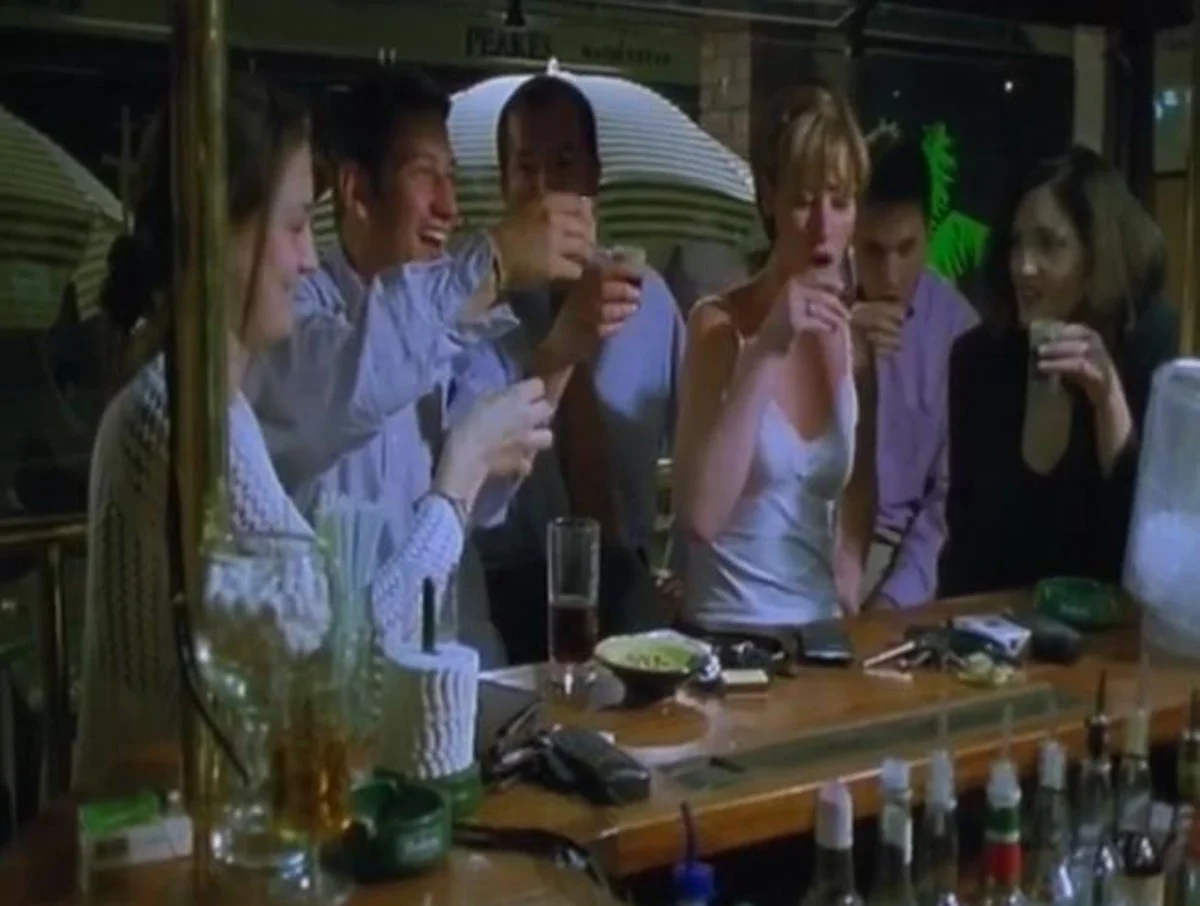
Blending documentary filmmaking with poetry and song, this distinctive 1998 BBC production offers a powerful and deeply human portrait of England's drinking culture. Through the voices of people whose lives have been shaped by alcohol, their experiences unfold in lyrical performances that capture moments of humour, sorrow, addiction, and reflection. Rather than relying on narration or traditional interviews alone, this resource uses an innovative storytelling style to explore the personal, social, and emotional realities of alcohol use in a way that remains as thought-provoking today as it was when first released.
TOPICS: Alcohol, Depressants, Drinking Culture, United Kingdom
Recovery is rarely a straight path, even for those who dedicate their lives to helping others overcome addiction. In this candid documentary, addiction therapist Michael Pond reflects on his own struggle with alcohol use disorder, repeated relapse, and the shortcomings of traditional treatment approaches. Combining lived experience with evidence-based perspectives, this resource explores the realities of recovery, the importance of individualized care, and why compassion, science, and hope are essential to helping people build lasting change.
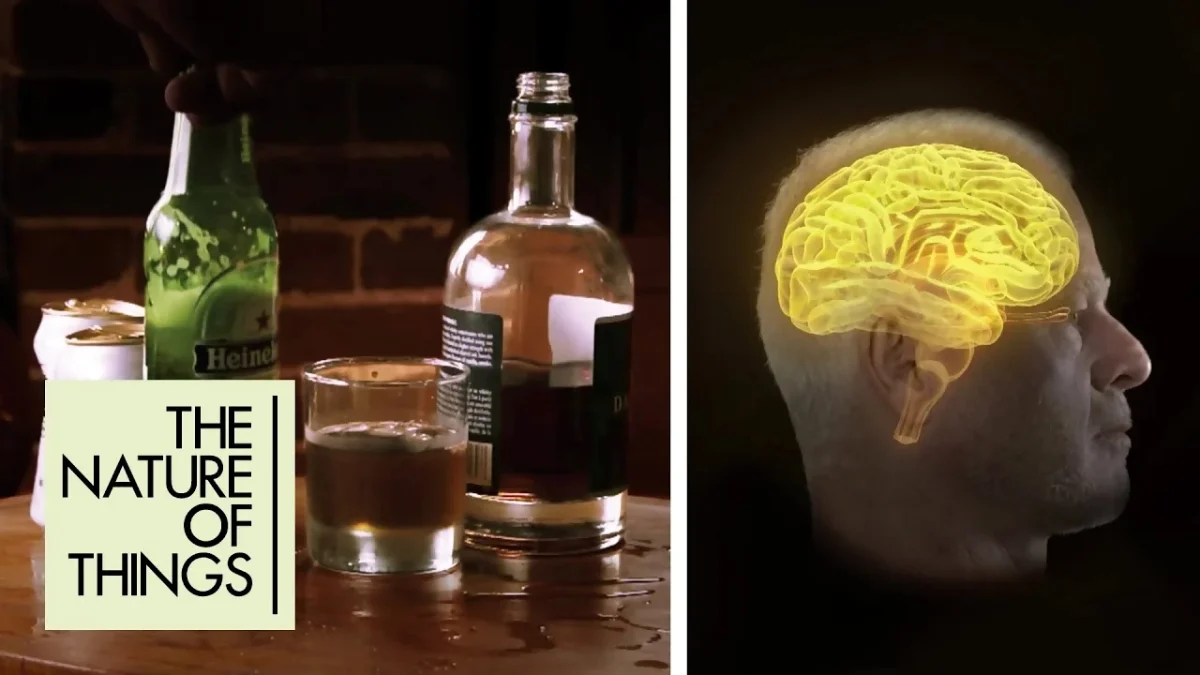
Alcohol has played a central role in British history and culture for centuries, yet its impact on society is often overlooked. This thought-provoking documentary explores the nation's complex relationship with drinking through interviews with addiction specialists, medical experts, researchers, and people with lived experience, including Russell Brand. Examining the science of alcohol, binge drinking culture, industry influence, and the stigma surrounding addiction, this resource encourages viewers to reconsider one of society's most accepted drugs and the widespread harm it can cause.