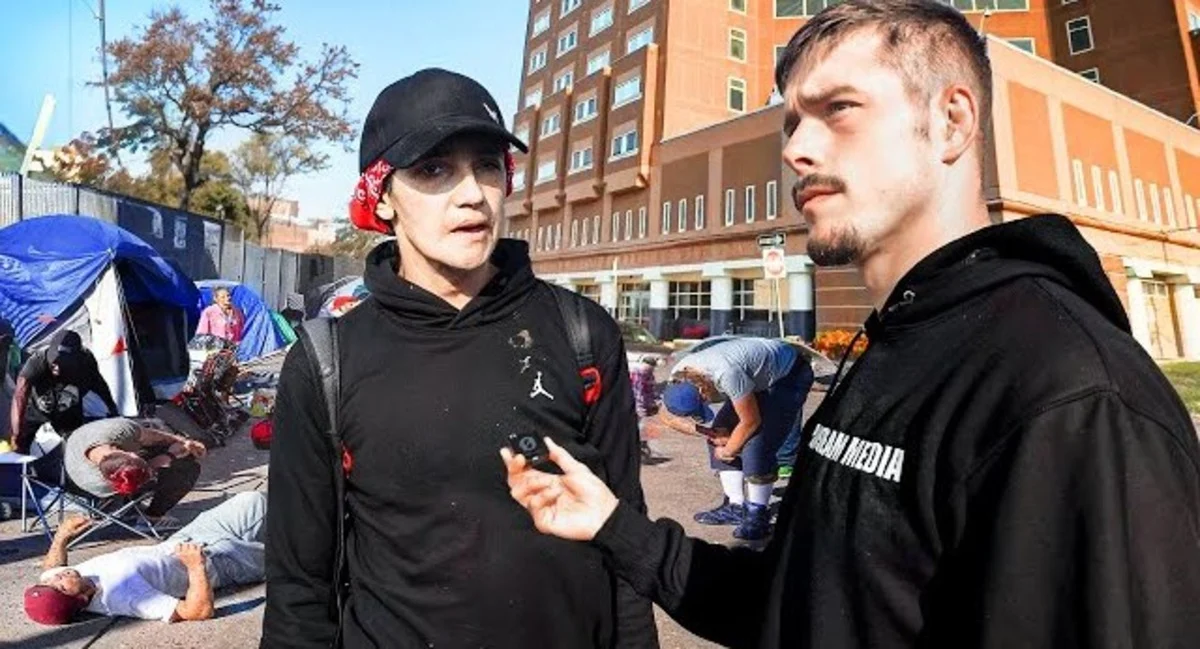
This documentary explores Boston's Methadone Mile, an area where addiction treatment services exist alongside homelessness, open drug use, and illicit drug markets. Through interviews with healthcare professionals, people living with addiction, individuals in recovery, and street-level dealers, it examines the challenges of recovery in an environment where support and relapse triggers often coexist. The film also explores the policies and circumstances that contributed to the area's development and the ongoing efforts to address the crisis.
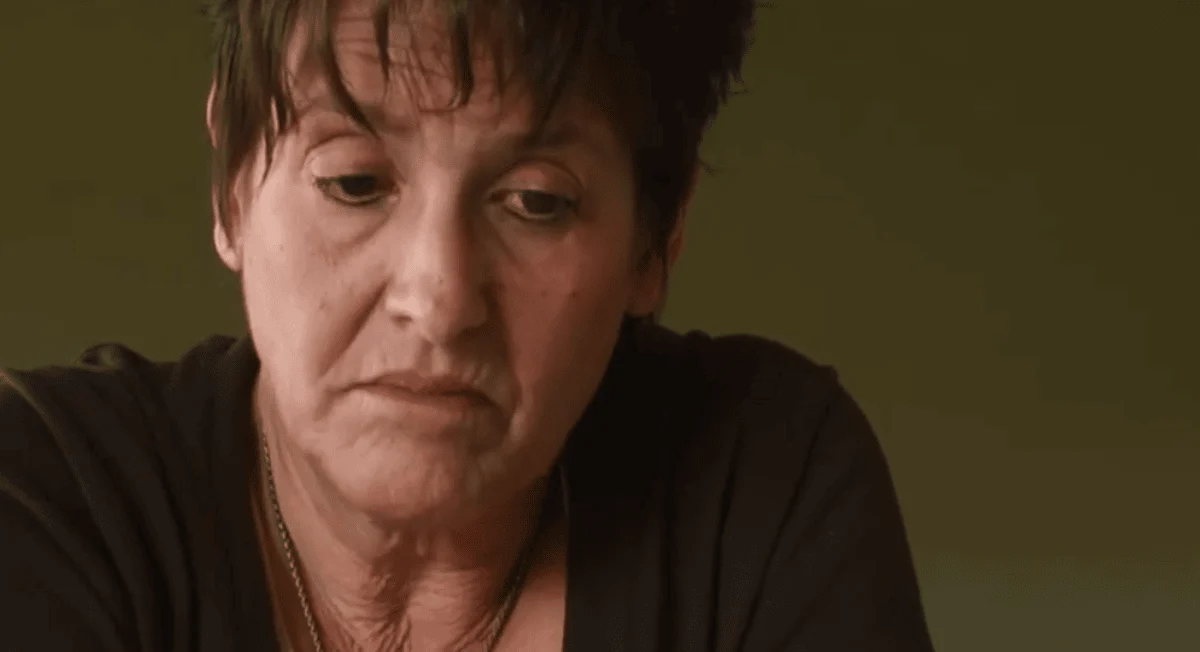
Joy's story explores the devastating consequences of gambling addiction after she embezzled $700,000 employers to support her gambling. As she awaits sentencing, she reflects on the choices that led to her crimes while trying to help both herself and her children understand the grip of addiction. Alongside her personal story, the documentary features insights from addiction professionals who explain the psychological and neurological factors behind gambling disorder, offering a broader understanding of how behavioural addictions develop and why recovery can be so challenging.
After years of struggling with gambling addiction, Ike Dweck transformed his life and dedicated himself to helping others recover. In this interview, he reflects on the experiences that shaped his addiction, the challenges he faced during recovery, and the purpose he found in supporting those facing similar struggles. As the founder of an outpatient treatment program in Brooklyn, New York, Ike draws on his lived experience to offer insight into gambling addiction, recovery, and the importance of using personal experience to help others rebuild their lives.
Inside one of Kabul's largest drug rehabilitation centres, A Second Shot offers a stark look at addiction in Afghanistan through the experiences of residents, families, volunteers, and staff. The documentary follows those living inside the centre as they endure severe withdrawal, homelessness, poverty, family breakdown, and limited access to medication and basic care. Set against Afghanistan's strained healthcare system and declining international aid, it explores the human consequences of addiction and the challenges of providing treatment with few resources.
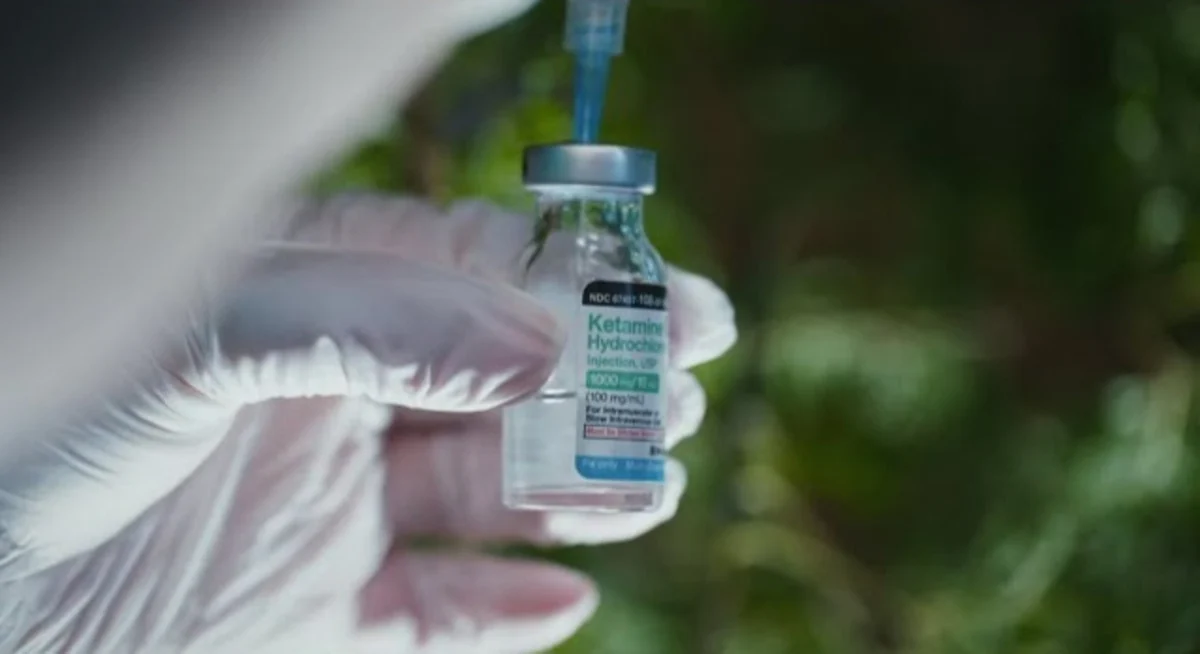
Hamilton Morris explores the science and history of ketamine through conversations with artist and writer Timothy Wyllie, as well as doctors, therapists, and other experts. Travelling to India to investigate the drug's production and use, he examines ketamine's medical applications, recreational use, and emerging role in mental health treatment. By combining personal perspectives with scientific discussion, the episode offers an accessible look at one of the world's most distinctive psychoactive substances and the evolving understanding of its effects on the mind.
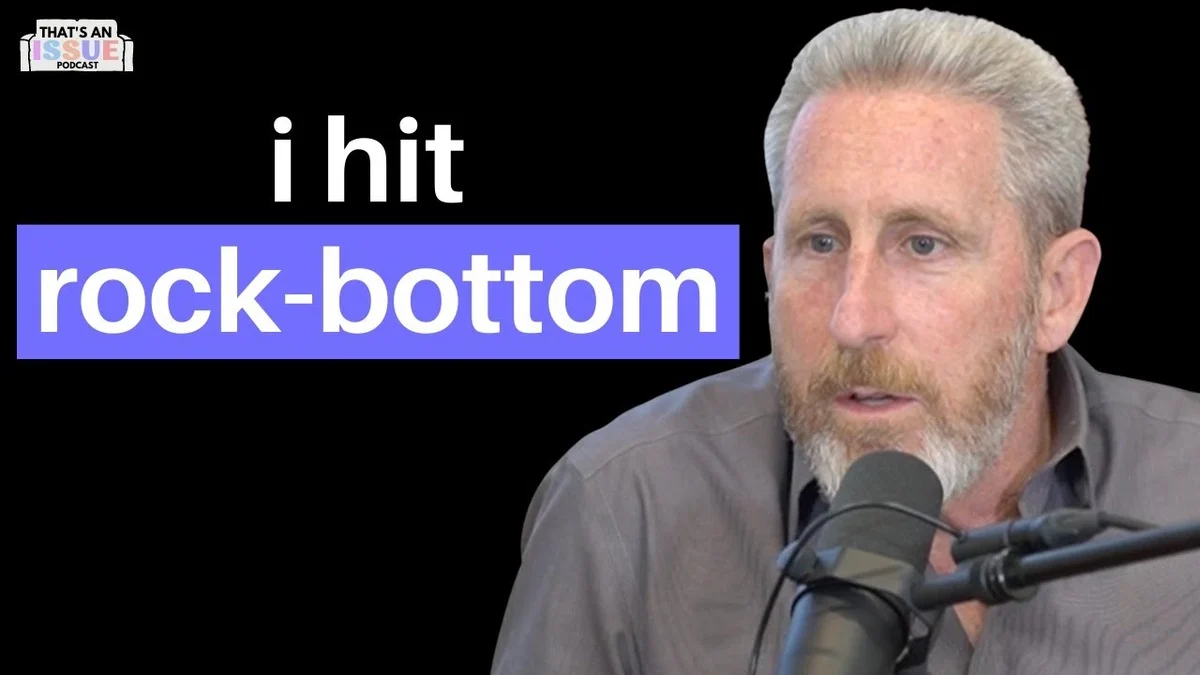
Recovery is rarely a straight path, even for those who dedicate their lives to helping others overcome addiction. In this candid documentary, addiction therapist Michael Pond reflects on his own struggle with alcohol use disorder, repeated relapse, and the shortcomings of traditional treatment approaches. Combining lived experience with evidence-based perspectives, this resource explores the realities of recovery, the importance of individualized care, and why compassion, science, and hope are essential to helping people build lasting change.
Alcohol use disorder is often misunderstood as a lack of willpower rather than a treatable medical condition. Through the personal journey of family physician Dr. Jeff Harries, this documentary challenges long-standing misconceptions by exploring the science of addiction, evidence-based treatment options, and the importance of compassion in recovery. Combining lived experience with medical expertise, this resource offers a hopeful perspective on alcohol use disorder while highlighting how greater awareness and improved access to treatment can transform lives for individuals and their families.