Go inside Rhode Island’s opioid epidemic through the experiences of people who use drugs, families, frontline workers, and those in recovery. From overdose prevention and harm reduction to peer support and treatment, the film examines how the state has responded to the crisis while showing the human impact behind the statistics. Personal stories of addiction, loss, relapse, and recovery reveal why keeping people alive and connected to care remains at the heart of Rhode Island’s efforts.
Personal stories of prescription opioid and heroin addiction reveal how quickly substance use can take over a person’s life and affect everyone around them. Individuals and families share experiences of withdrawal, relapse, overdose, grief, and recovery, while professionals discuss the progression of opioid addiction and the risks facing young people. Several stories trace the transition from prescription painkillers to heroin, showing how tolerance, dependence, cost, and the pursuit of a stronger high can lead people down increasingly dangerous paths.
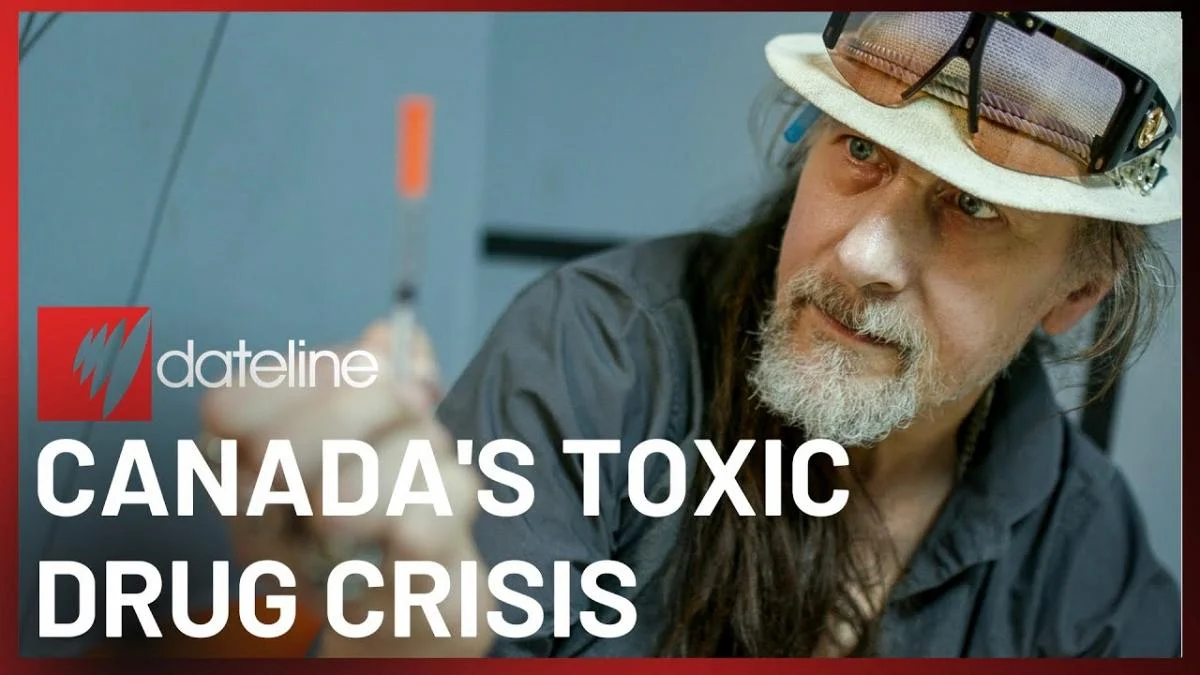
Canada’s toxic drug crisis is examined through families who have lost loved ones, people who use drugs, frontline workers, and harm-reduction advocates. The program looks at the growing presence of fentanyl in the unregulated drug supply and visits overdose prevention and drug-checking services working to reduce deaths. Produced for an Australian audience, it also considers what Canada’s experience could mean for Australia as debates continue around supervised consumption, safer supply, decriminalization, treatment, and how governments should respond to an increasingly unpredictable drug supply.
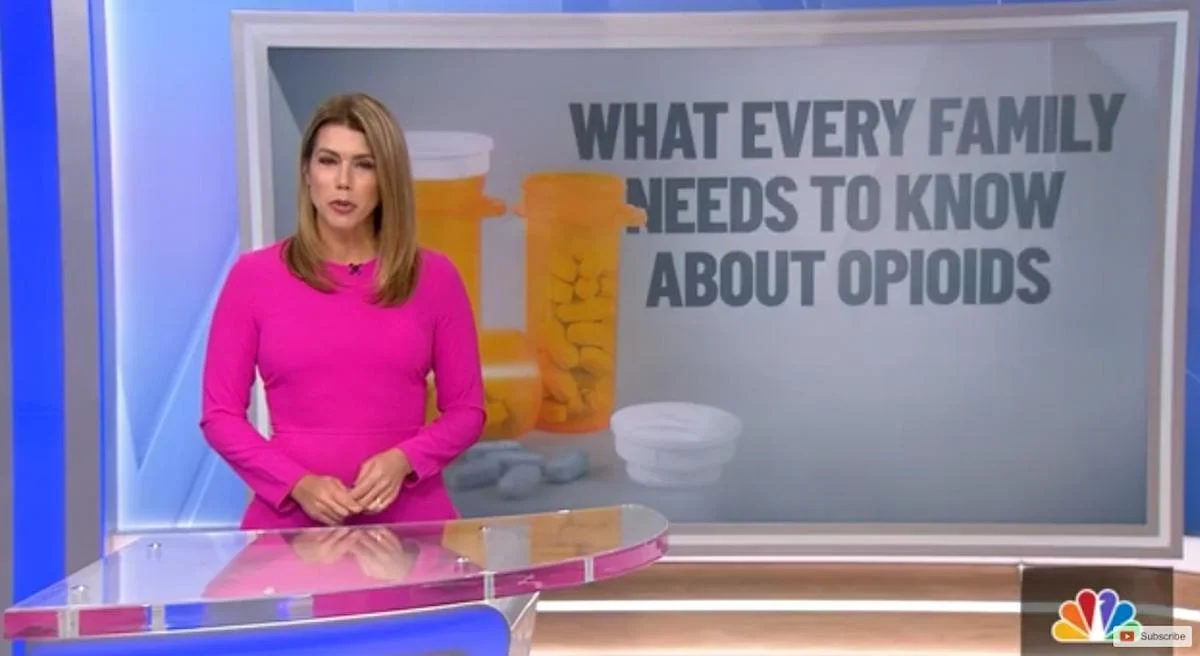
Personal stories, expert insight, and practical prevention strategies come together in this examination of the opioid crisis and its impact on families. Medical professionals, law enforcement, parents, and recovery advocates discuss prescription opioid addiction, the growing threat of fentanyl and counterfeit pills, and the importance of educating young people about substance use. Alongside stories of addiction, trauma, and loss, the program looks at what parents can do to build trust, encourage open communication, recognize risks, and help protect their children.
Real stories of heroin addiction, overdose, grief, and recovery reveal the devastating impact of the opioid crisis on individuals and families. Parents who have lost children share their experiences alongside people in recovery and professionals working in addiction treatment. Their stories explore the powerful effects of prescription opioids, the progression from painkillers to heroin, and the realities of treatment and long-term recovery. At the center is a mother who turned the loss of her son into an effort to raise awareness and help prevent other families from experiencing the same tragedy.
Arizona's opioid epidemic is explored through the experiences of people whose addiction began with legally prescribed painkillers. The film follows patients, families, healthcare professionals, and individuals in recovery as they examine how routine injuries, overprescribing, and growing opioid tolerance contributed to a public health crisis. It also highlights the unique risks facing young people, the transition from prescription opioids to heroin, and the efforts of communities, universities, and treatment providers to intervene early and support lasting recovery.
This webinar explores the complex challenges of opiate addiction and the factors that influence long-term recovery. It examines the physical, psychological, and social barriers that can make sobriety difficult to maintain while discussing evidence-based approaches that improve treatment outcomes. Topics include stigma, relapse prevention, trauma, dopamine, impulse control, trust, and the importance of individualized care. Designed for both professionals and the public, the session offers practical strategies for supporting lasting recovery from opioid use disorder.
Through personal stories, expert interviews, and community perspectives, this Orlando-produced news special explores the devastating impact of the opioid crisis on individuals, families, and communities. It examines the progression from prescription opioids to heroin and fentanyl, while highlighting overdose prevention, recovery, Neonatal Abstinence Syndrome, and the lasting effects addiction has on children and loved ones. Alongside these stories, the documentary also explores emerging treatment approaches and the ongoing efforts of healthcare professionals and advocates working to save lives.
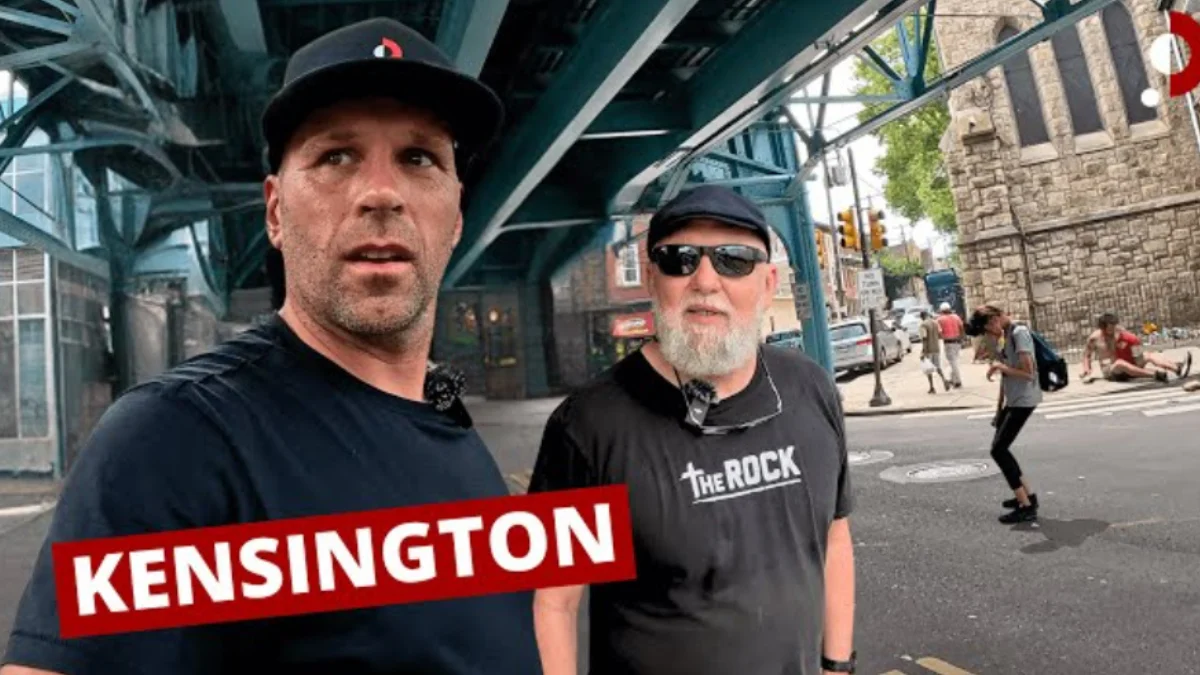
This documentary explores the open-air drug market in Kensington, Philadelphia, through the perspective of local outreach worker Buddy Osborn. As he guides Peter Santenello through the neighbourhood, he discusses the devastating impact of addiction, drug trafficking, and public disorder on residents, families, and especially children growing up in the community. The film also highlights the work of grassroots organizations providing outreach, treatment referrals, and support while examining the difficult balance between compassion, accountability, recovery, and public policy.
This webinar explores the relationship between trauma, addiction, and recovery in women through a trauma-informed and gender-responsive lens. Drawing on research and clinical experience, it examines how trauma influences substance use, why women often face unique barriers to treatment, and the importance of addressing both trauma and addiction together. The presentation also introduces principles of trauma-informed care and gender-responsive treatment, emphasizing approaches that promote safety, empowerment, healing, and long-term recovery.
TOPICS: Prevention & Treatment, PTSD, Recovery, Trauma, Trauma-Informed, Women