Go inside Rhode Island’s opioid epidemic through the experiences of people who use drugs, families, frontline workers, and those in recovery. From overdose prevention and harm reduction to peer support and treatment, the film examines how the state has responded to the crisis while showing the human impact behind the statistics. Personal stories of addiction, loss, relapse, and recovery reveal why keeping people alive and connected to care remains at the heart of Rhode Island’s efforts.
Families who have lost loved ones to fentanyl share their experiences alongside people in recovery, medical professionals, and advocates working across Virginia. Their stories explore counterfeit and fentanyl-laced drugs, the realities of overdose and grief, and the different paths people take toward recovery. The program also visits organizations providing treatment, peer support, and other recovery services while highlighting efforts to raise awareness about fentanyl and help families better understand the risks surrounding an increasingly dangerous drug supply.
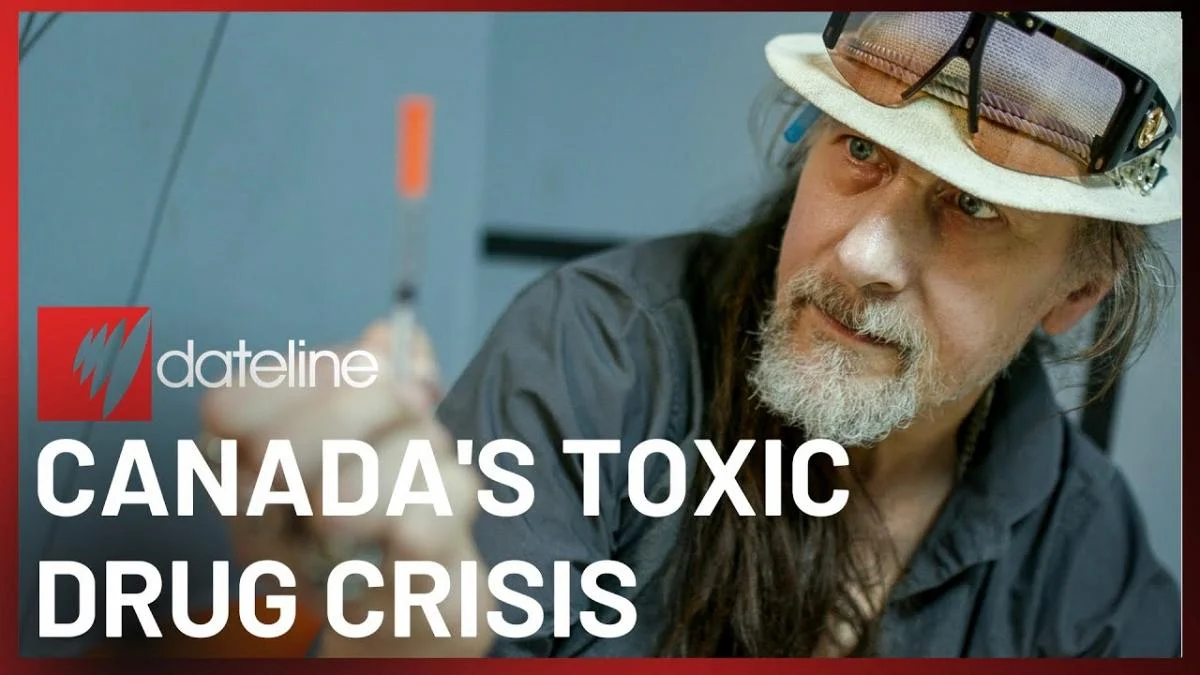
Canada’s toxic drug crisis is examined through families who have lost loved ones, people who use drugs, frontline workers, and harm-reduction advocates. The program looks at the growing presence of fentanyl in the unregulated drug supply and visits overdose prevention and drug-checking services working to reduce deaths. Produced for an Australian audience, it also considers what Canada’s experience could mean for Australia as debates continue around supervised consumption, safer supply, decriminalization, treatment, and how governments should respond to an increasingly unpredictable drug supply.
Michael DeLeon's first documentary explores how the opioid crisis is affecting children, teenagers, and families across the United States. Through interviews with grieving parents, healthcare professionals, educators, and people in recovery, it examines the progression from prescription drug misuse to heroin addiction while highlighting the devastating impact of overdose, trauma, and loss. The documentary also emphasizes prevention, early intervention, and the importance of educating young people before experimentation turns into lifelong addiction.
After recovering from nearly two decades of addiction and 12 years in prison, Michael DeLeon traveled across the United States speaking with families, healthcare professionals, educators, and people in recovery about the opioid crisis. Through their stories, this documentary explores the devastating impact of prescription opioids, overdose, and addiction while highlighting the importance of prevention, treatment, and recovery. Together, these voices reveal how deeply the epidemic has affected communities across America and why many believe far more must be done to save lives.
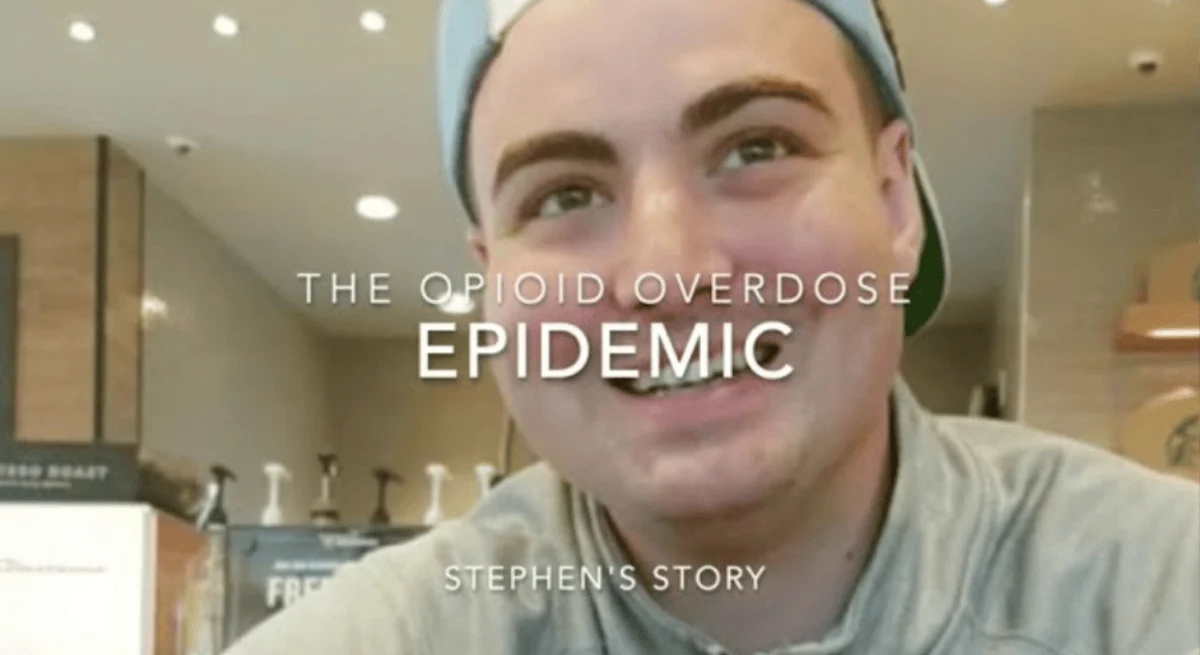
Stephen's Story follows one family's journey through grief after losing Stephen to an opioid overdose in 2018. Through heartfelt interviews, they reflect on the trauma, mental health struggles, family history, and addiction that shaped his life while raising awareness about the opioid crisis. More than a tribute, the documentary encourages open conversations about substance use, challenges stigma, and offers hope to families facing similar experiences.
This documentary explores how Orange County, Florida has responded to the opioid crisis through the experiences of people in recovery, grieving families, healthcare professionals, law enforcement, and community organizations. Alongside personal stories of addiction, overdose, and recovery, it examines the role of prescription opioids, heroin, and fentanyl in the evolving epidemic while highlighting the collaborative efforts being made to reduce stigma, expand treatment, and save lives.
This documentary explores the fentanyl crisis in Alberta, Canada, through the experiences of people living with addiction, healthcare professionals, law enforcement, and families affected by the opioid epidemic. At its centre is one young man whose repeated attempts to access treatment reveal the barriers many people face when they are ready to seek help. Alongside his story, the film examines the growing impact of illicit fentanyl, the devastating consequences of the overdose crisis, and the ongoing efforts to support recovery across one of Canada's hardest-hit regions.
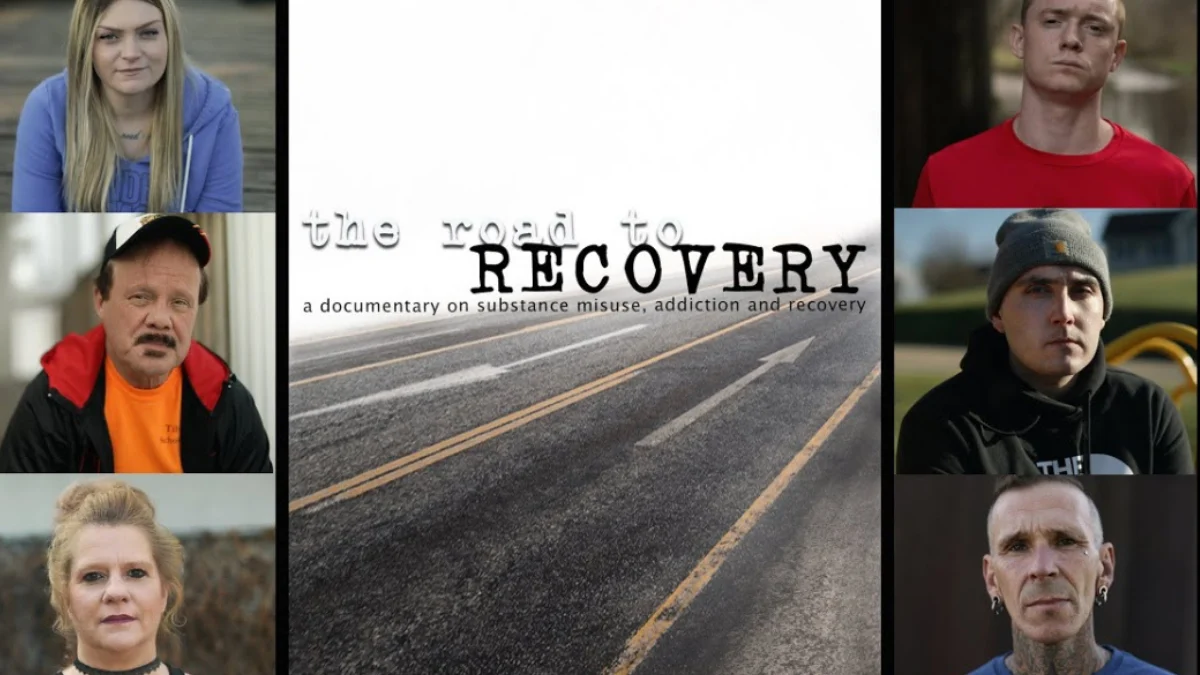
This documentary follows six people as they reflect on their journeys through addiction, treatment, and long-term recovery. Sharing deeply personal experiences, they describe how trauma, substance use, relapse, and life-changing turning points shaped their paths toward sobriety. Although each story is different, together they highlight the importance of treatment, peer support, personal accountability, and hope in overcoming addiction. Their experiences offer an honest look at both the challenges of recovery and the possibility of rebuilding a meaningful life.
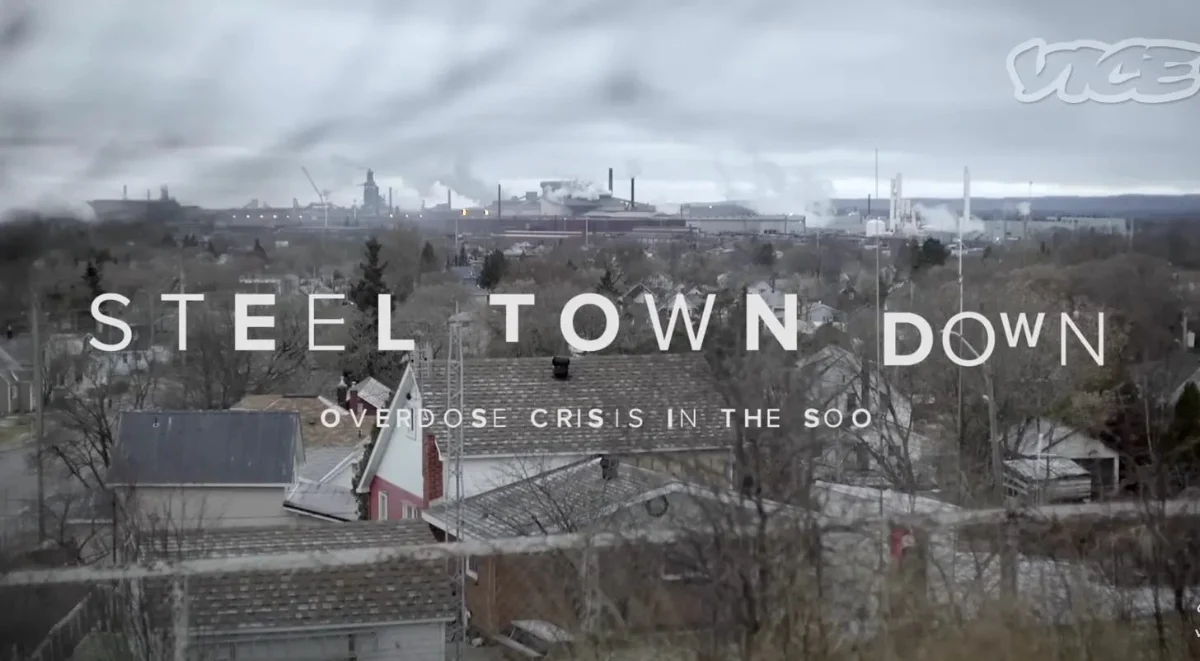
This documentary examines the devastating impact of the opioid crisis on Sault Ste. Marie, Ontario, where addiction, overdose, and limited treatment resources have placed enormous strain on a small community. Through the experiences of a dedicated harm reduction worker, people living with opioid use disorder, and a family desperately trying to save their son, it explores the realities of addiction while highlighting the importance of compassion, harm reduction, and community support in the face of an ongoing public health crisis.
TOPICS: Canada, Fentanyl, Harm Reduction, Opioid Crisis, Opioid Use Disorder, Opioids, Overdose, Personal Stories, Poverty, Stigma, Youth