Inside one of Kabul's largest drug rehabilitation centres, A Second Shot offers a stark look at addiction in Afghanistan through the experiences of residents, families, volunteers, and staff. The documentary follows those living inside the centre as they endure severe withdrawal, homelessness, poverty, family breakdown, and limited access to medication and basic care. Set against Afghanistan's strained healthcare system and declining international aid, it explores the human consequences of addiction and the challenges of providing treatment with few resources.
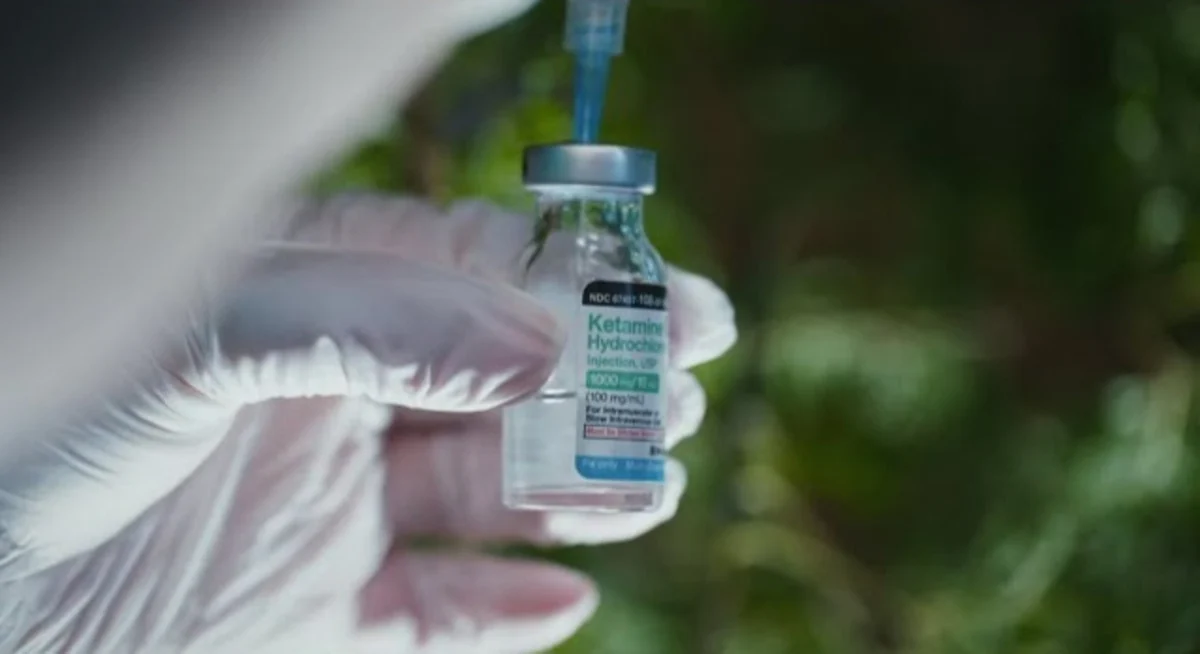
Hamilton Morris explores the science and history of ketamine through conversations with artist and writer Timothy Wyllie, as well as doctors, therapists, and other experts. Travelling to India to investigate the drug's production and use, he examines ketamine's medical applications, recreational use, and emerging role in mental health treatment. By combining personal perspectives with scientific discussion, the episode offers an accessible look at one of the world's most distinctive psychoactive substances and the evolving understanding of its effects on the mind.
Ketamine has become increasingly common among young people in the UK, where its low cost and reputation as a versatile party drug can obscure the risk of serious harm. Following journalist Matt Shea through Bristol’s nightlife and free-party scene, this report explores how recreational use can progress into dependence, debilitating bladder damage, and other long-term health complications. Personal accounts, clinical explanations, and conversations with people involved in the drug trade reveal why ketamine has become so firmly associated with a generation—and why its growing popularity is raising urgent public health concerns.
TOPICS: Dissociatives, Ketamine, Personal Stories, Public Health, United Kingdom, Youth
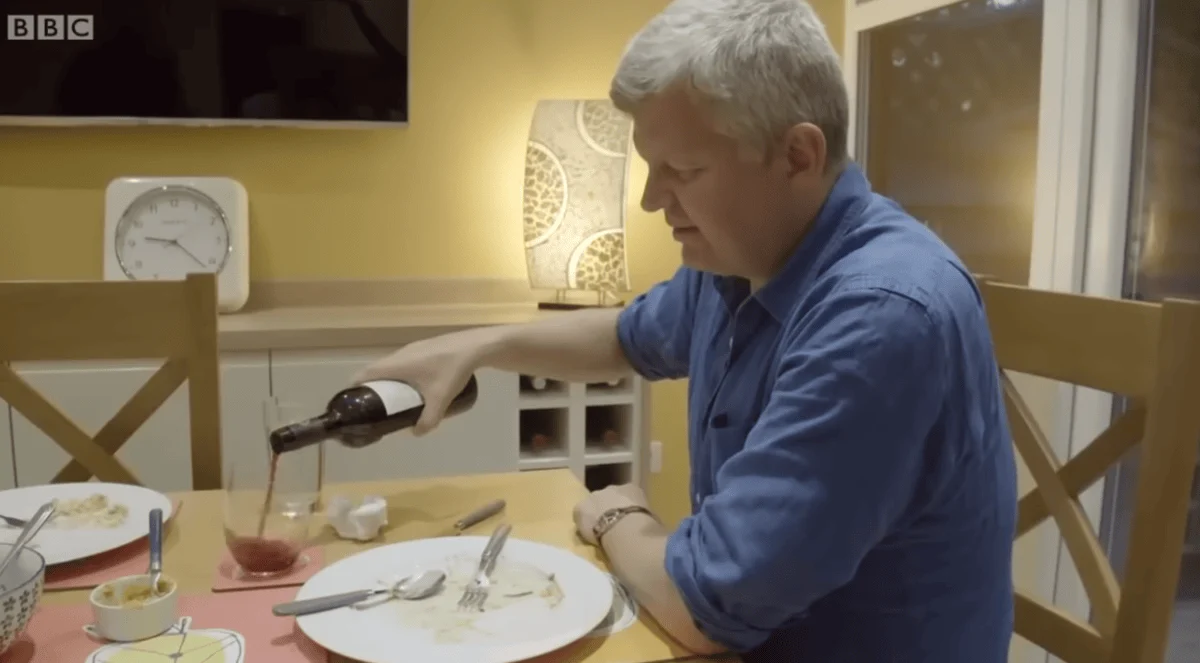
Many people who struggle with alcohol don't fit the stereotype of what an alcohol problem looks like. In this honest and deeply personal documentary, Adrian Chiles reflects on his own drinking habits while exploring why alcohol has become such a normal part of everyday life. Through medical assessments, conversations with addiction specialists, and personal reflection, he examines the physical and psychological effects of long-term drinking and asks whether moderation is possible. This resource offers a relatable and thought-provoking look at alcohol use that challenges common assumptions about dependence and recovery.
Recovery is rarely a straight path, even for those who dedicate their lives to helping others overcome addiction. In this candid documentary, addiction therapist Michael Pond reflects on his own struggle with alcohol use disorder, repeated relapse, and the shortcomings of traditional treatment approaches. Combining lived experience with evidence-based perspectives, this resource explores the realities of recovery, the importance of individualized care, and why compassion, science, and hope are essential to helping people build lasting change.
Alcohol has played a central role in British history and culture for centuries, yet its impact on society is often overlooked. This thought-provoking documentary explores the nation's complex relationship with drinking through interviews with addiction specialists, medical experts, researchers, and people with lived experience, including Russell Brand. Examining the science of alcohol, binge drinking culture, industry influence, and the stigma surrounding addiction, this resource encourages viewers to reconsider one of society's most accepted drugs and the widespread harm it can cause.
Alcohol use disorder is often misunderstood as a lack of willpower rather than a treatable medical condition. Through the personal journey of family physician Dr. Jeff Harries, this documentary challenges long-standing misconceptions by exploring the science of addiction, evidence-based treatment options, and the importance of compassion in recovery. Combining lived experience with medical expertise, this resource offers a hopeful perspective on alcohol use disorder while highlighting how greater awareness and improved access to treatment can transform lives for individuals and their families.
Growing up with a parent struggling with alcohol addiction can leave lasting emotional wounds that often continue into adulthood. Through an honest conversation with Calum Best, this documentary explores the impact of losing his father, football legend George Best, to alcoholism while reflecting on the challenges faced by children living with parental addiction. Blending personal experience with expert insight, this resource highlights the importance of breaking stigma, supporting young people affected by addiction, and finding healing through understanding, connection, and open conversation.
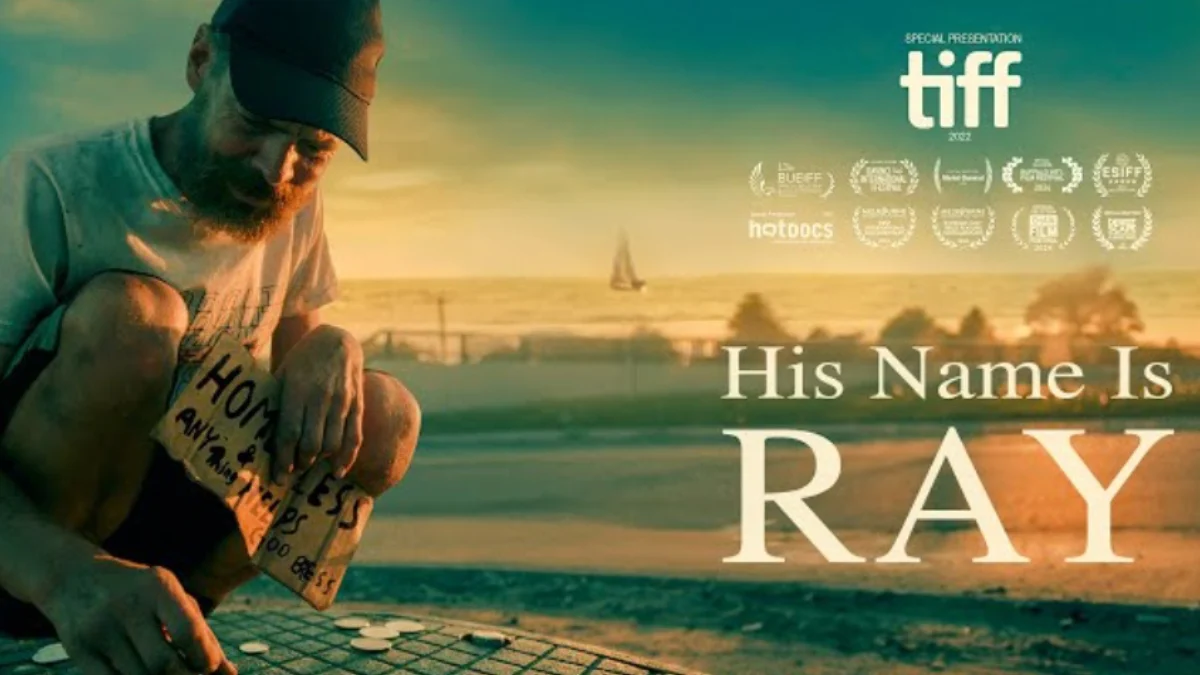
This powerful documentary follows the daily life of a man experiencing homelessness and addiction on the streets of Toronto, revealing the realities that often go unseen. As Ray navigates fentanyl use, survival, and the constant risks of life on the street, his resilience, humanity, and hope remain at the heart of his story. Rather than relying on stereotypes or sensationalism, this resource offers a compassionate look at the complex relationship between addiction, homelessness, and the ongoing opioid crisis, encouraging greater understanding of the people behind the statistics.
TOPICS: Canada, Fentanyl, Heroin, Homelessness, Opioid Crisis, Opioid Use Disorder, Opioids, Overdose, Personal Stories
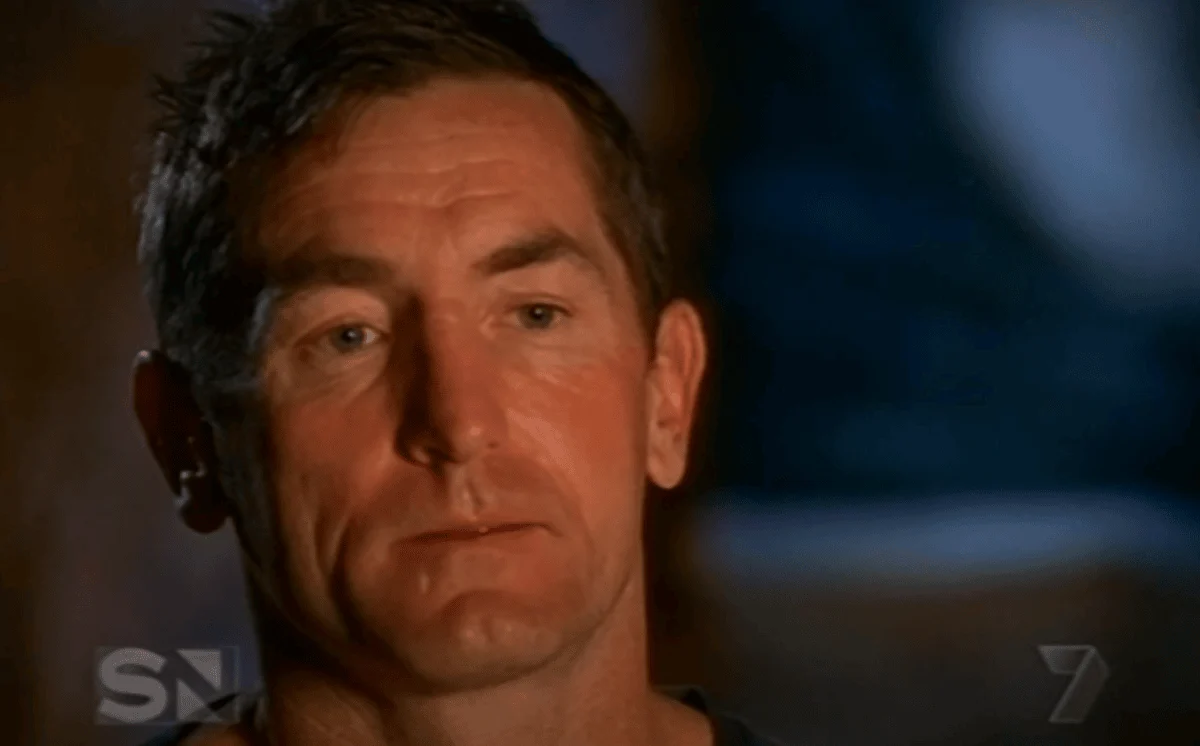
A former AFL star shares the devastating consequences of gambling addiction in this honest and deeply personal interview. Reflecting on the rise and fall of his career, Daryn Cresswell describes how compulsive gambling gradually consumed his life, damaged his relationships, led to overwhelming debt, and ultimately resulted in a prison sentence. Alongside insights from his former wife, this resource highlights the far-reaching impact of gambling addiction while exploring the challenges of recovery, accountability, and rebuilding a life after everything has fallen apart.