San Diego County has become a major battleground in the fentanyl crisis, with counterfeit pills, drug trafficking, and online drug markets contributing to a devastating rise in overdose deaths. Families, survivors, law enforcement, medical professionals, and community advocates share their experiences while examining how fentanyl reaches local communities and why young people are particularly vulnerable. The investigation also explores efforts to save lives through naloxone, fentanyl test strips, low-barrier care, and medications for opioid use disorder, showing how prevention and treatment have become critical parts of the response.
Fentanyl has transformed Ontario’s opioid crisis, affecting people who use drugs, families, healthcare workers, law enforcement, and communities across the province. This three-part series combines personal stories with expert perspectives to examine fentanyl, prescription opioid addiction, overdose, and the challenges people face when seeking treatment. It also explores harm reduction, public education, law-enforcement responses, and efforts to prevent further deaths. Along the way, people directly affected by addiction share their experiences, showing why understanding the crisis requires looking beyond the drug itself to the people and circumstances behind it.
Parents who lost their children to fentanyl share deeply personal stories of addiction, overdose, and grief as the crisis takes a growing toll on young people in Fresno, California. Alongside their experiences, medical professionals, law enforcement, and frontline workers discuss the dangers of fentanyl and the challenges of responding to overdoses within their communities. The film also examines how substance use can remain hidden from families until it is too late, while emphasizing the need for greater awareness, education, and support for young people and their parents.
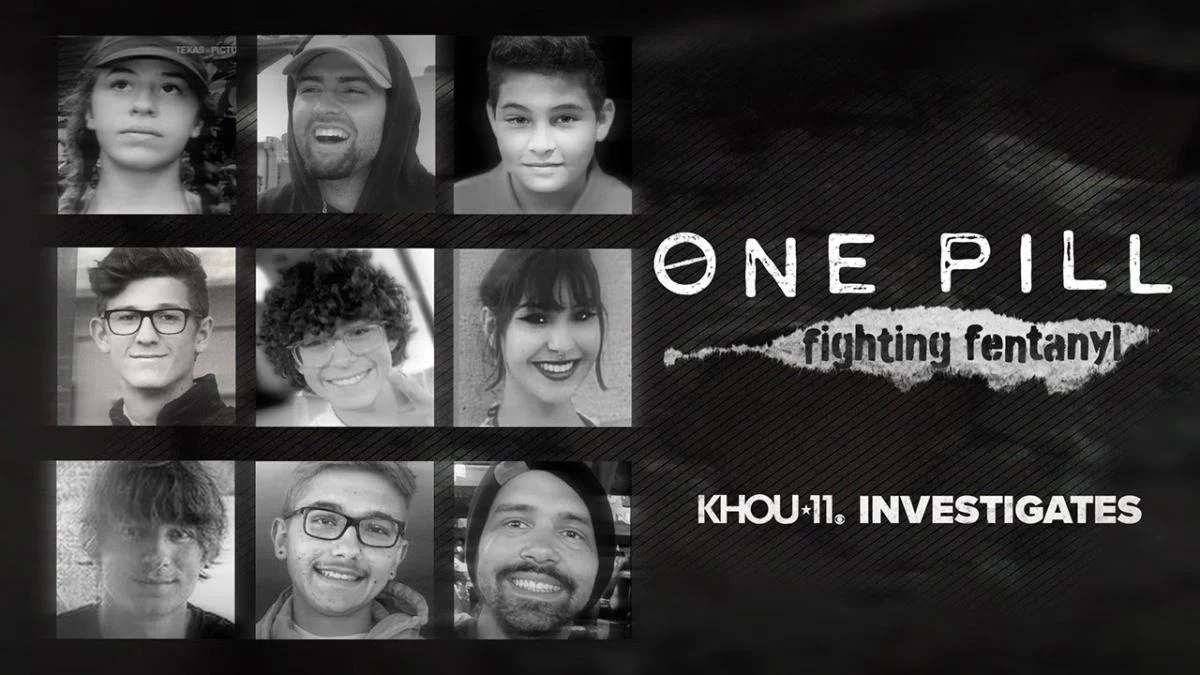
Families across Texas share the devastating impact of fentanyl as overdose deaths rise and increasingly affect young people. Through grieving parents, advocates, survivors, and law enforcement, the investigation explores the dangers of counterfeit pills and the trafficking networks bringing illicit fentanyl into the United States. It also follows parents and organizations who have turned personal loss into advocacy, raising awareness about the risks facing their communities and working to prevent further deaths while law enforcement confronts the challenges of disrupting the fentanyl supply.
This documentary examines the addiction and homelessness crisis in Seattle, where rising rates of substance use, visible homelessness, crime, and public disorder have fueled growing concern throughout the community. Through interviews with people living with addiction, business owners, law enforcement, healthcare professionals, and local residents, it explores competing perspectives on what has driven the crisis and how it should be addressed. The film also examines treatment options, public policy, and the challenges of balancing compassion, accountability, and public safety.
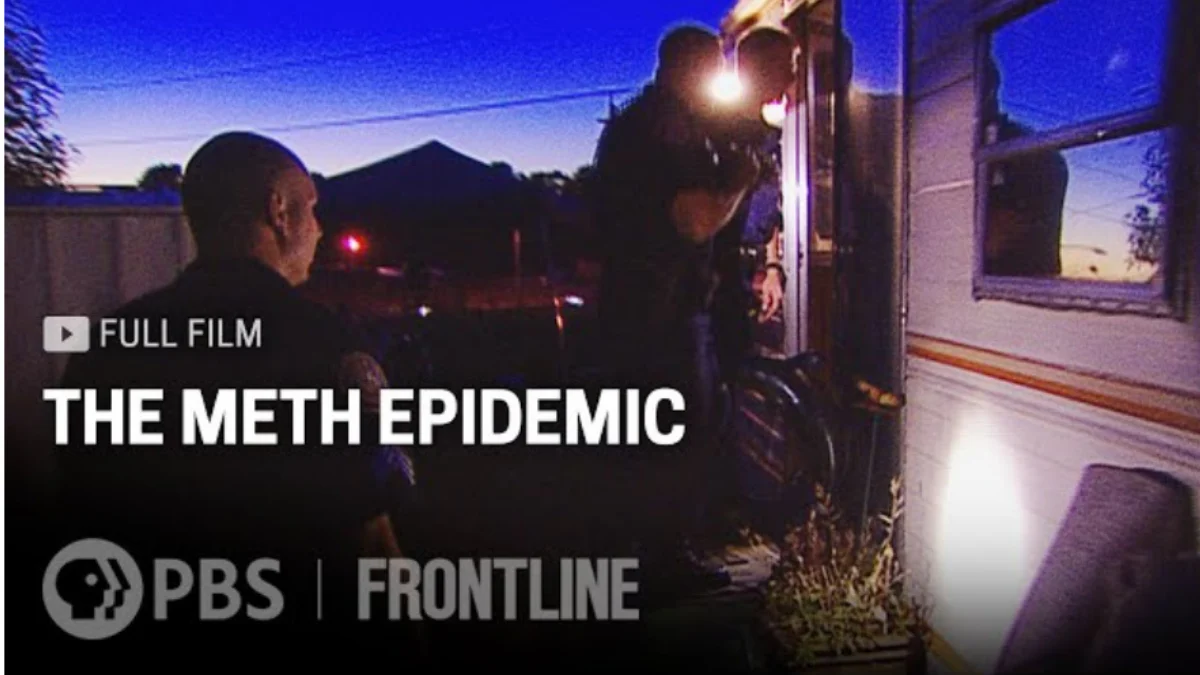
This FRONTLINE documentary examines the rise of the methamphetamine epidemic in the United States, tracing how the drug spread from localized production to a nationwide crisis affecting individuals, families, and communities. It explores the role of precursor chemicals such as ephedrine and pseudoephedrine, the evolution of meth production and trafficking, and the challenges of regulating legitimate medications used to manufacture the drug. Through interviews with researchers, law enforcement, healthcare professionals, and people affected by addiction, the film investigates the devastating impact of methamphetamine and the difficulties of containing its spread.
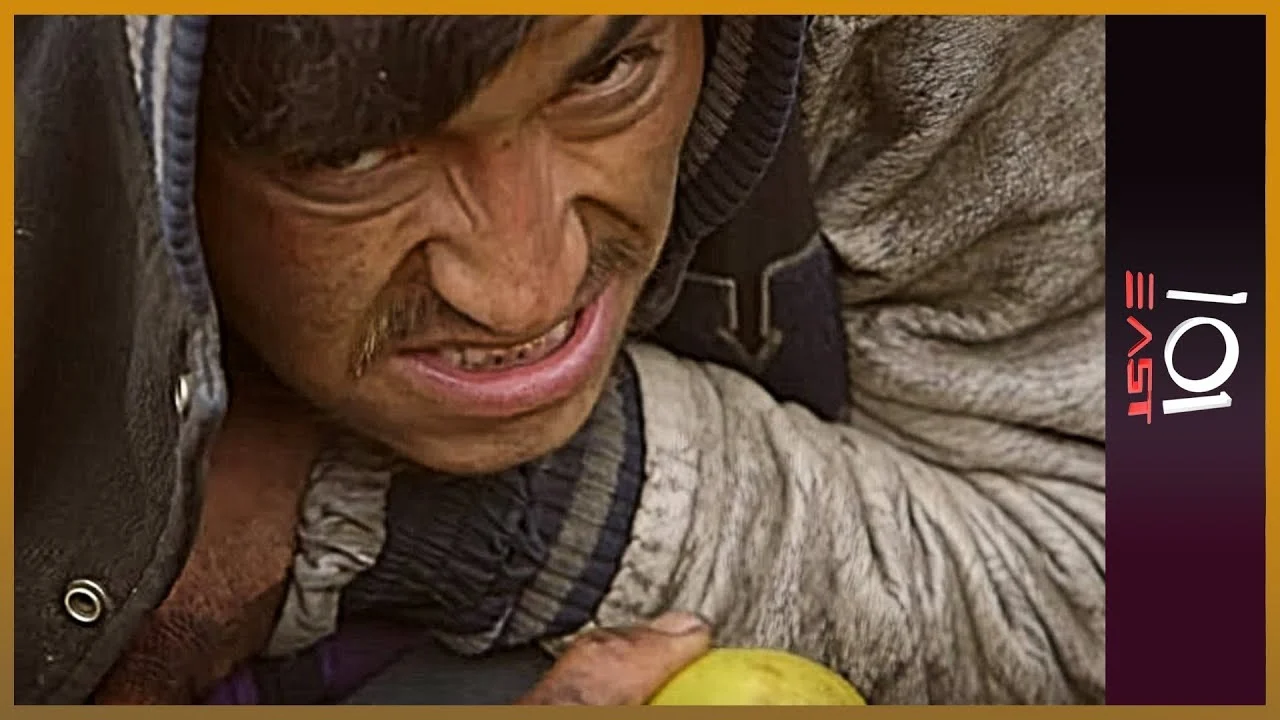
This documentary investigates Afghanistan's booming opium trade and the complex challenges driving one of the world's largest illicit drug economies. Travelling from poppy fields to addiction hotspots, the film examines how poverty, conflict, corruption, and political instability have fueled both heroin production and widespread drug use. Through interviews with farmers, law enforcement officials, healthcare workers, and people affected by addiction, it explores the limitations of anti-drug efforts while highlighting the far-reaching consequences of the opium trade for Afghanistan and the international community.
TOPICS: Afghanistan, Drug Trafficking, Heroin, Homelessness, Law Enforcement, Opioids, Poverty, Public Health
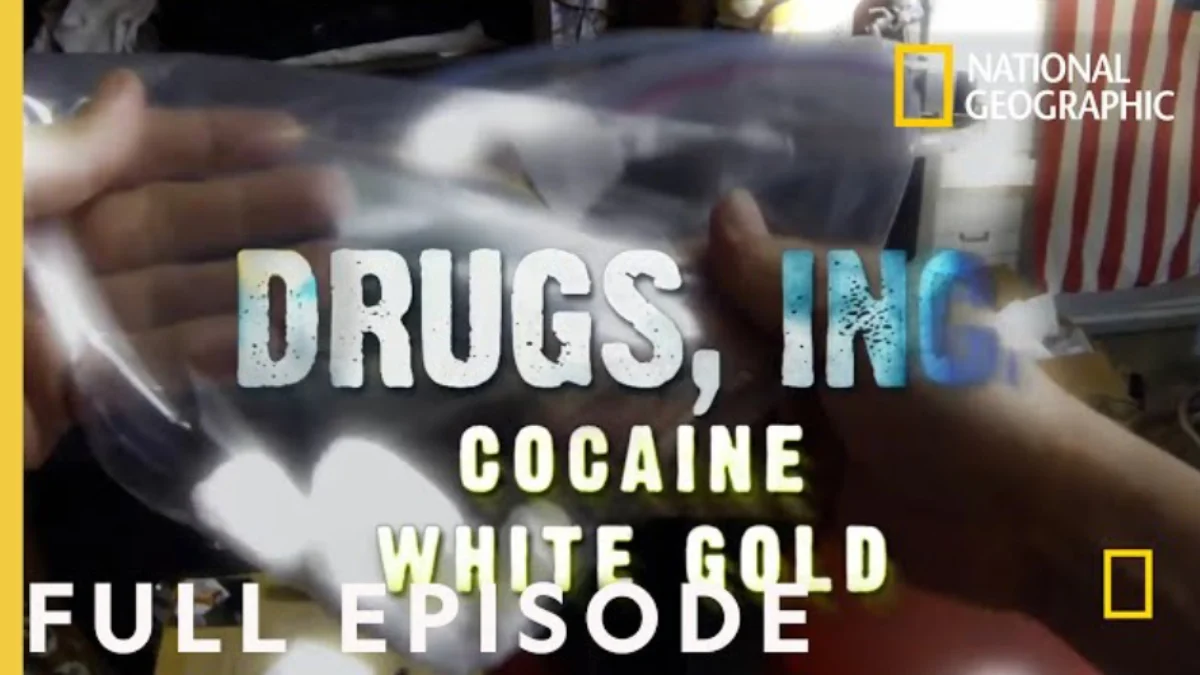
From remote coca fields in Peru to the streets of USA, this investigative documentary follows the global cocaine trade at every stage of its journey. Through firsthand reporting and interviews with farmers, traffickers, law enforcement, and people affected by cocaine use, it reveals the complex network that fuels one of the world's most profitable illicit industries. This resource explores the economic, social, and human costs of cocaine production and trafficking while highlighting the challenges of disrupting a market driven by persistent global demand.
TOPICS: Cocaine, Crime, Drug Trafficking, Law Enforcement, Peru, Stimulants, USA
New Zealand’s war on drugs comes under scrutiny in this investigation of methamphetamine use, criminalization, and the search for more effective solutions. Journalist Guyon Espiner speaks with people directly affected by addiction alongside police, treatment providers, policymakers, and harm reduction advocates. Their experiences reveal the limitations of a system that devotes substantial resources to enforcement while leaving many people without adequate support. By examining treatment referrals, drug checking, poverty, stigma, and decriminalization, this resource presents a compelling case for replacing punishment with compassionate, evidence-based public health approaches.