Families, frontline workers, advocates, and experts share their experiences of Canada’s opioid crisis and the failures that have allowed it to continue. Their stories examine prescription opioid addiction, stigma, drug policy, and the enormous toll of overdose on families and communities. The film also looks at harm reduction and decriminalization, questioning decades of punitive approaches to drug use while highlighting the people and organizations pushing for a public health response that focuses on keeping people alive.
Personal stories, expert insight, and practical prevention strategies come together in this examination of the opioid crisis and its impact on families. Medical professionals, law enforcement, parents, and recovery advocates discuss prescription opioid addiction, the growing threat of fentanyl and counterfeit pills, and the importance of educating young people about substance use. Alongside stories of addiction, trauma, and loss, the program looks at what parents can do to build trust, encourage open communication, recognize risks, and help protect their children.
Arizona's opioid epidemic is explored through the experiences of people whose addiction began with legally prescribed painkillers. The film follows patients, families, healthcare professionals, and individuals in recovery as they examine how routine injuries, overprescribing, and growing opioid tolerance contributed to a public health crisis. It also highlights the unique risks facing young people, the transition from prescription opioids to heroin, and the efforts of communities, universities, and treatment providers to intervene early and support lasting recovery.
This documentary explores the opioid crisis in Western Pennsylvania through the voices of people whose lives have been shaped by heroin addiction. Featuring individuals in recovery, grieving families, healthcare professionals, and community advocates, the documentary examines how prescription opioids, stigma, and untreated addiction contributed to a growing public health crisis. Alongside stories of loss, it highlights the people and organizations working to expand treatment, support families, and reduce overdose deaths, offering a message that recovery and hope remain possible.
This webinar explores the complex challenges of opiate addiction and the factors that influence long-term recovery. It examines the physical, psychological, and social barriers that can make sobriety difficult to maintain while discussing evidence-based approaches that improve treatment outcomes. Topics include stigma, relapse prevention, trauma, dopamine, impulse control, trust, and the importance of individualized care. Designed for both professionals and the public, the session offers practical strategies for supporting lasting recovery from opioid use disorder.
Michael DeLeon's first documentary explores how the opioid crisis is affecting children, teenagers, and families across the United States. Through interviews with grieving parents, healthcare professionals, educators, and people in recovery, it examines the progression from prescription drug misuse to heroin addiction while highlighting the devastating impact of overdose, trauma, and loss. The documentary also emphasizes prevention, early intervention, and the importance of educating young people before experimentation turns into lifelong addiction.
After recovering from nearly two decades of addiction and 12 years in prison, Michael DeLeon traveled across the United States speaking with families, healthcare professionals, educators, and people in recovery about the opioid crisis. Through their stories, this documentary explores the devastating impact of prescription opioids, overdose, and addiction while highlighting the importance of prevention, treatment, and recovery. Together, these voices reveal how deeply the epidemic has affected communities across America and why many believe far more must be done to save lives.
Through personal stories, expert interviews, and community perspectives, this Orlando-produced news special explores the devastating impact of the opioid crisis on individuals, families, and communities. It examines the progression from prescription opioids to heroin and fentanyl, while highlighting overdose prevention, recovery, Neonatal Abstinence Syndrome, and the lasting effects addiction has on children and loved ones. Alongside these stories, the documentary also explores emerging treatment approaches and the ongoing efforts of healthcare professionals and advocates working to save lives.
Stephen's Story follows one family's journey through grief after losing Stephen to an opioid overdose in 2018. Through heartfelt interviews, they reflect on the trauma, mental health struggles, family history, and addiction that shaped his life while raising awareness about the opioid crisis. More than a tribute, the documentary encourages open conversations about substance use, challenges stigma, and offers hope to families facing similar experiences.
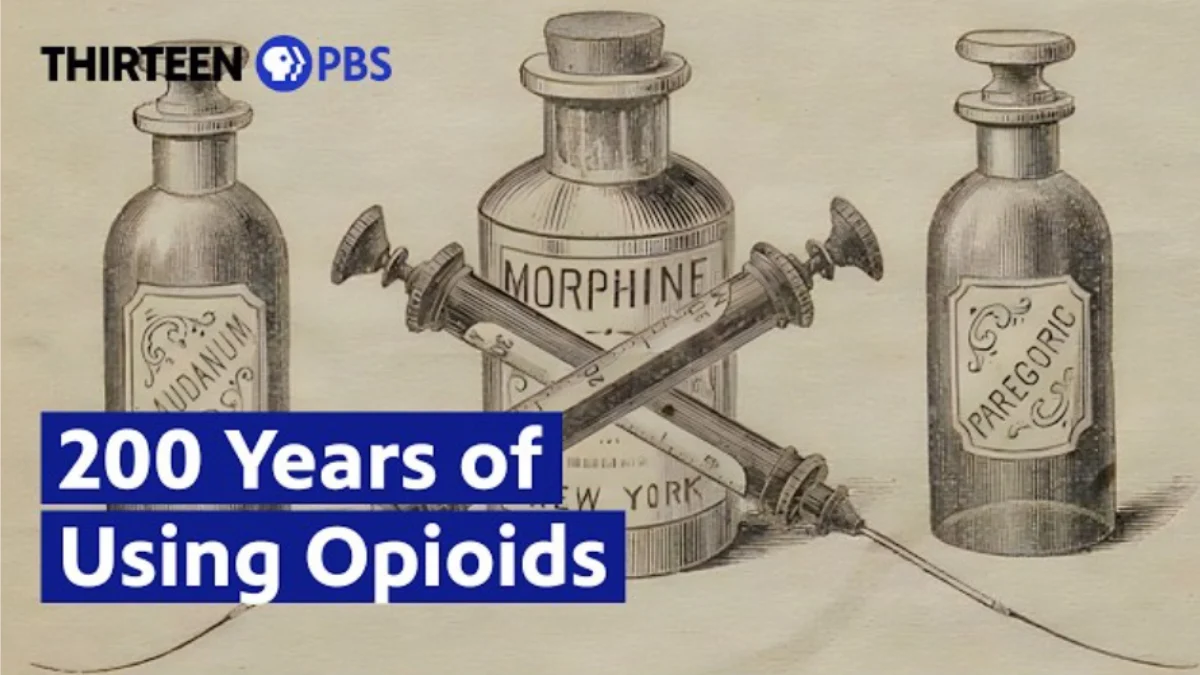
This documentary traces New York City's opioid drug history from the late 1800s to the present day, exploring how changing attitudes toward opioids have shaped addiction, medical treatment, public policy, and criminalization over generations. Through historical accounts, expert interviews, and personal stories, journalist Christopher Booker examines the recurring patterns that have defined each wave of the opioid crisis, culminating in today's unprecedented fentanyl epidemic.
AMH Resources