Personal stories, expert insight, and practical prevention strategies come together in this examination of the opioid crisis and its impact on families. Medical professionals, law enforcement, parents, and recovery advocates discuss prescription opioid addiction, the growing threat of fentanyl and counterfeit pills, and the importance of educating young people about substance use. Alongside stories of addiction, trauma, and loss, the program looks at what parents can do to build trust, encourage open communication, recognize risks, and help protect their children.
Arizona's opioid epidemic is explored through the experiences of people whose addiction began with legally prescribed painkillers. The film follows patients, families, healthcare professionals, and individuals in recovery as they examine how routine injuries, overprescribing, and growing opioid tolerance contributed to a public health crisis. It also highlights the unique risks facing young people, the transition from prescription opioids to heroin, and the efforts of communities, universities, and treatment providers to intervene early and support lasting recovery.
Michael DeLeon's first documentary explores how the opioid crisis is affecting children, teenagers, and families across the United States. Through interviews with grieving parents, healthcare professionals, educators, and people in recovery, it examines the progression from prescription drug misuse to heroin addiction while highlighting the devastating impact of overdose, trauma, and loss. The documentary also emphasizes prevention, early intervention, and the importance of educating young people before experimentation turns into lifelong addiction.
After recovering from nearly two decades of addiction and 12 years in prison, Michael DeLeon traveled across the United States speaking with families, healthcare professionals, educators, and people in recovery about the opioid crisis. Through their stories, this documentary explores the devastating impact of prescription opioids, overdose, and addiction while highlighting the importance of prevention, treatment, and recovery. Together, these voices reveal how deeply the epidemic has affected communities across America and why many believe far more must be done to save lives.
Through personal stories, expert interviews, and community perspectives, this Orlando-produced news special explores the devastating impact of the opioid crisis on individuals, families, and communities. It examines the progression from prescription opioids to heroin and fentanyl, while highlighting overdose prevention, recovery, Neonatal Abstinence Syndrome, and the lasting effects addiction has on children and loved ones. Alongside these stories, the documentary also explores emerging treatment approaches and the ongoing efforts of healthcare professionals and advocates working to save lives.
This documentary explores the fentanyl crisis in Alberta, Canada, through the experiences of people living with addiction, healthcare professionals, law enforcement, and families affected by the opioid epidemic. At its centre is one young man whose repeated attempts to access treatment reveal the barriers many people face when they are ready to seek help. Alongside his story, the film examines the growing impact of illicit fentanyl, the devastating consequences of the overdose crisis, and the ongoing efforts to support recovery across one of Canada's hardest-hit regions.
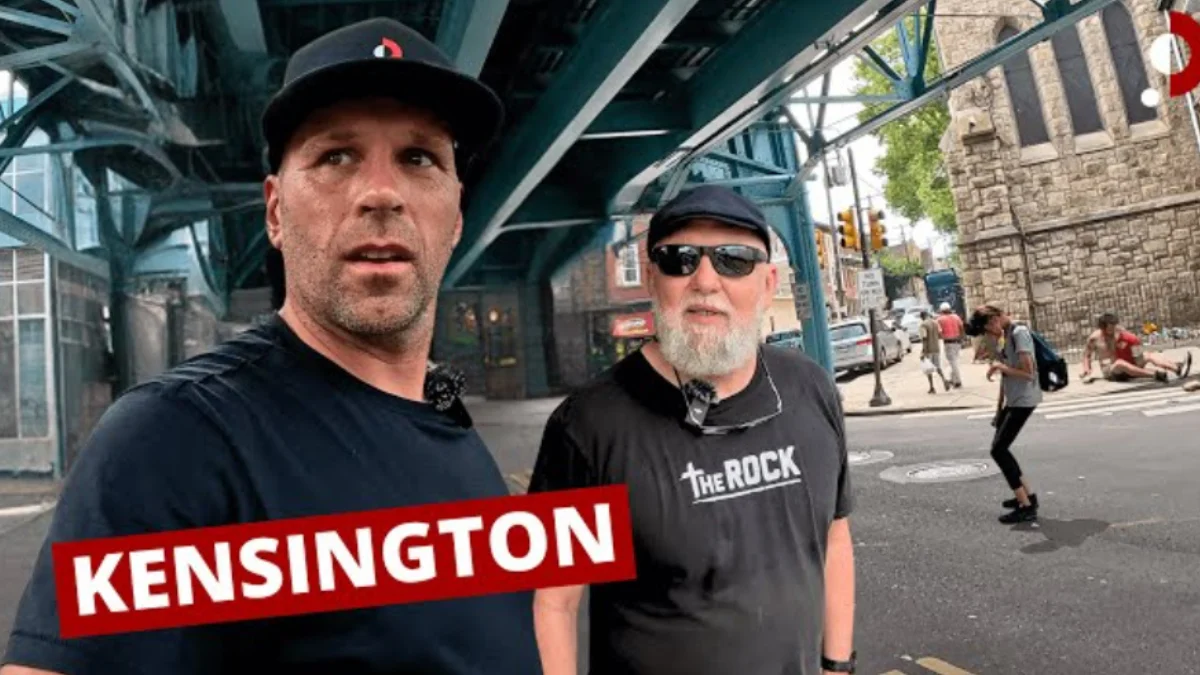
This documentary explores the open-air drug market in Kensington, Philadelphia, through the perspective of local outreach worker Buddy Osborn. As he guides Peter Santenello through the neighbourhood, he discusses the devastating impact of addiction, drug trafficking, and public disorder on residents, families, and especially children growing up in the community. The film also highlights the work of grassroots organizations providing outreach, treatment referrals, and support while examining the difficult balance between compassion, accountability, recovery, and public policy.
This episode of VICE: High Society examines why ecstasy has become increasingly dangerous in the United Kingdom, where stronger pills, higher MDMA concentrations, and unpredictable adulterants have contributed to a rise in drug-related harm. Speaking with researchers, harm reduction advocates, and drug checking services, the documentary explores how changes in the illicit drug market have increased the risks associated with ecstasy use. It also highlights practical harm reduction strategies, including drug testing and dose awareness, that can help reduce the likelihood of overdose and other serious health consequences.
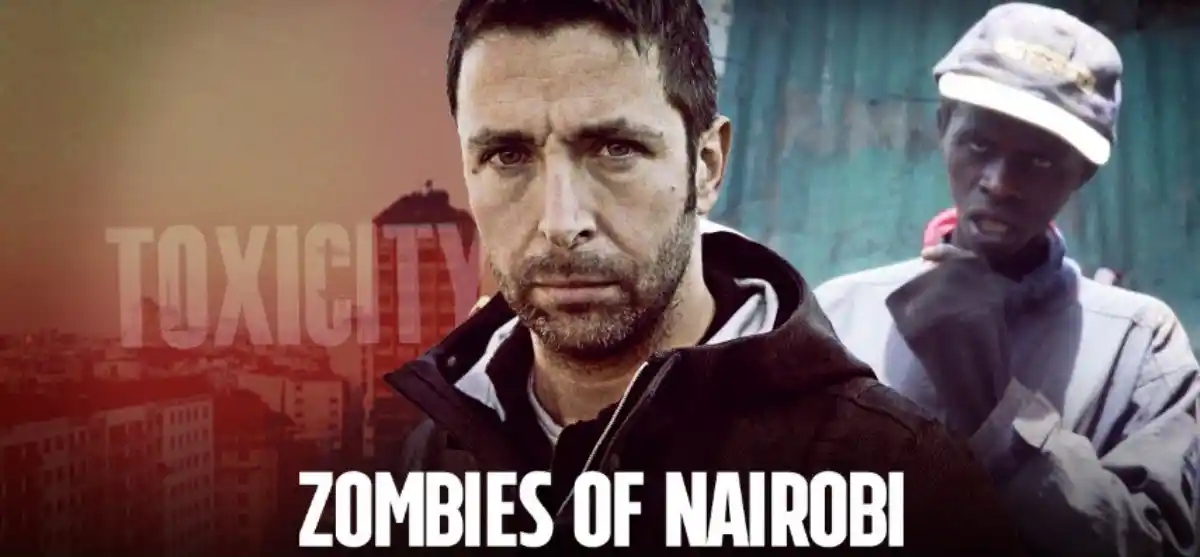
This documentary follows homeless children living on the streets of Nairobi, Kenya, where poverty, neglect, and inhalant addiction have created a devastating humanitarian crisis. Relying on glue and other toxic inhalants to escape hunger and hardship, many spend their days in a drug-induced haze while struggling to survive in makeshift camps surrounded by violence, disease, and despair. Through their stories, the film reveals the human cost of addiction and the desperate circumstances that leave thousands of vulnerable children with few opportunities to escape life on the streets.
TOPICS: Homelessness, Inhalant Use Disorder, Inhalants, Poverty, Youth
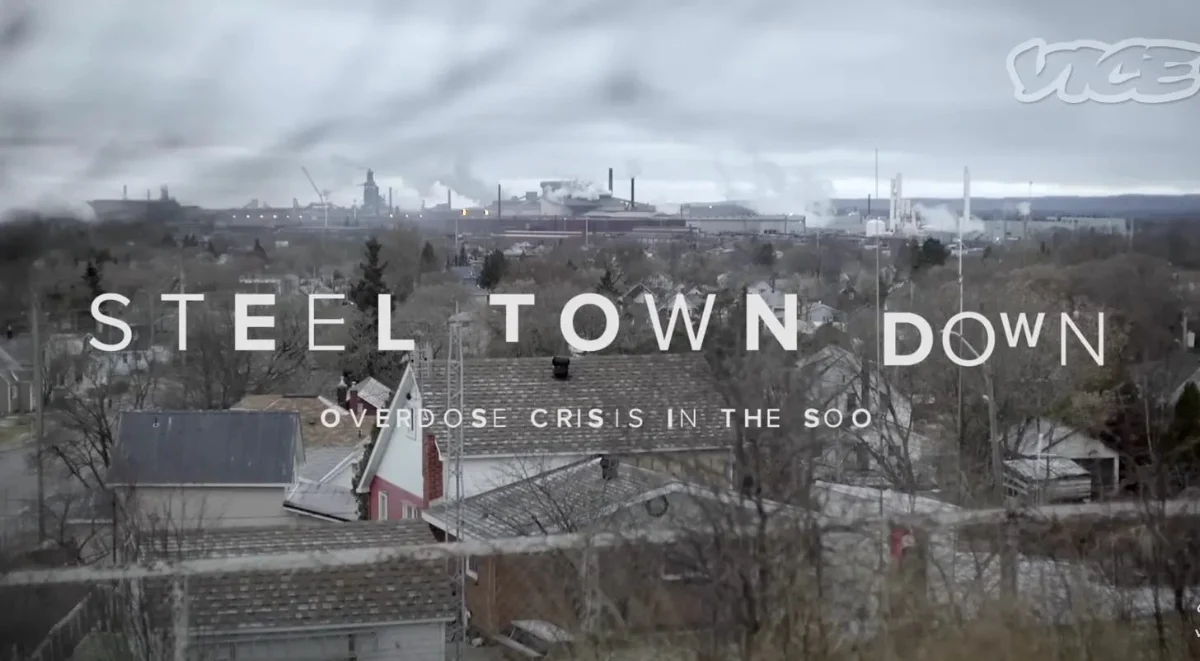
This documentary examines the devastating impact of the opioid crisis on Sault Ste. Marie, Ontario, where addiction, overdose, and limited treatment resources have placed enormous strain on a small community. Through the experiences of a dedicated harm reduction worker, people living with opioid use disorder, and a family desperately trying to save their son, it explores the realities of addiction while highlighting the importance of compassion, harm reduction, and community support in the face of an ongoing public health crisis.
TOPICS: Canada, Fentanyl, Harm Reduction, Opioid Crisis, Opioid Use Disorder, Opioids, Overdose, Personal Stories, Poverty, Stigma, Youth