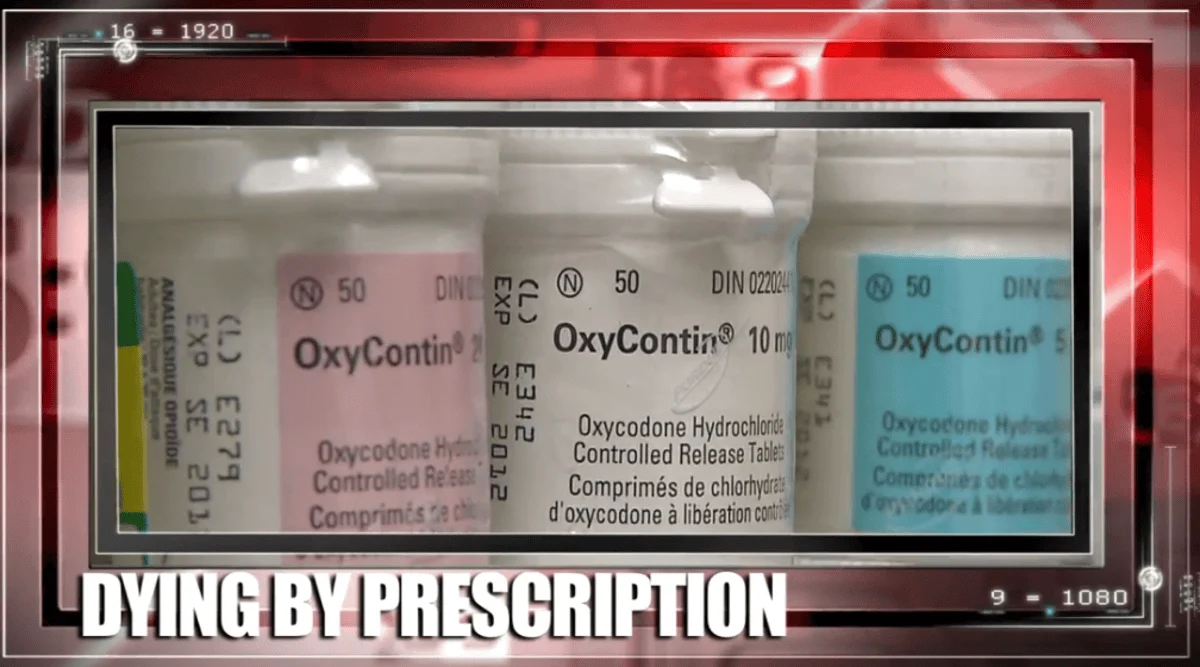
This 2012 Global News investigation examines the OxyContin controversy in Canada through the experiences of patients, grieving families, researchers, and medical professionals. As prescriptions for the powerful pain medication increased, so did concerns about addiction, overdose, and the way its risks had been presented to doctors and patients. The report investigates Purdue Pharma's marketing of OxyContin, its influence within pain medicine, and allegations that the drug's potential for addiction was deliberately downplayed, while revealing the devastating consequences prescription opioid use had already left behind.
VICE travels to Bogotá, Colombia, to investigate scopolamine, a drug notorious for its association with robberies, assaults, and stories of victims losing control of their actions. Through encounters with victims, dealers, and local experts, the investigation examines the effects and criminal use of scopolamine, its origins in poisonous plants, and its legitimate medical applications. It also explores the disturbing stories that have earned it the nickname "The Devil's Breath," while revealing how documented cases of drug-facilitated crime have become intertwined with sensationalized claims, mythology, and urban legends surrounding the drug.
Australians are among the world's biggest consumers of ecstasy, but where does MDMA actually come from? This investigation follows the drug from clandestine laboratories and chemical suppliers to international trafficking networks and the people who consume it. Travelling from Australia to the Netherlands, reporters examine MDMA production, precursor chemicals, the dark web, and the criminal networks supplying the global market. The investigation also explores Dutch drug policy and harm reduction, revealing a very different approach to drug education while examining the risks surrounding one of the world's most popular party drugs.
San Diego County has become a major battleground in the fentanyl crisis, with counterfeit pills, drug trafficking, and online drug markets contributing to a devastating rise in overdose deaths. Families, survivors, law enforcement, medical professionals, and community advocates share their experiences while examining how fentanyl reaches local communities and why young people are particularly vulnerable. The investigation also explores efforts to save lives through naloxone, fentanyl test strips, low-barrier care, and medications for opioid use disorder, showing how prevention and treatment have become critical parts of the response.
What can the United States learn from Canada’s approach to the overdose crisis? ABC7 News reporter Tara Campbell travels to British Columbia to examine harm reduction and the services designed to keep people who use drugs alive and connected to care. Through personal stories and expert perspectives, the documentary explores supervised consumption, fentanyl, homelessness, trauma, stigma, and barriers to treatment. It also looks inside Insite, North America’s first legally sanctioned supervised consumption site, while examining the broader debate over whether similar approaches could help communities struggling with overdose in the United States.
Fentanyl has transformed Ontario’s opioid crisis, affecting people who use drugs, families, healthcare workers, law enforcement, and communities across the province. This three-part series combines personal stories with expert perspectives to examine fentanyl, prescription opioid addiction, overdose, and the challenges people face when seeking treatment. It also explores harm reduction, public education, law-enforcement responses, and efforts to prevent further deaths. Along the way, people directly affected by addiction share their experiences, showing why understanding the crisis requires looking beyond the drug itself to the people and circumstances behind it.
Parents who lost their children to fentanyl share deeply personal stories of addiction, overdose, and grief as the crisis takes a growing toll on young people in Fresno, California. Alongside their experiences, medical professionals, law enforcement, and frontline workers discuss the dangers of fentanyl and the challenges of responding to overdoses within their communities. The film also examines how substance use can remain hidden from families until it is too late, while emphasizing the need for greater awareness, education, and support for young people and their parents.
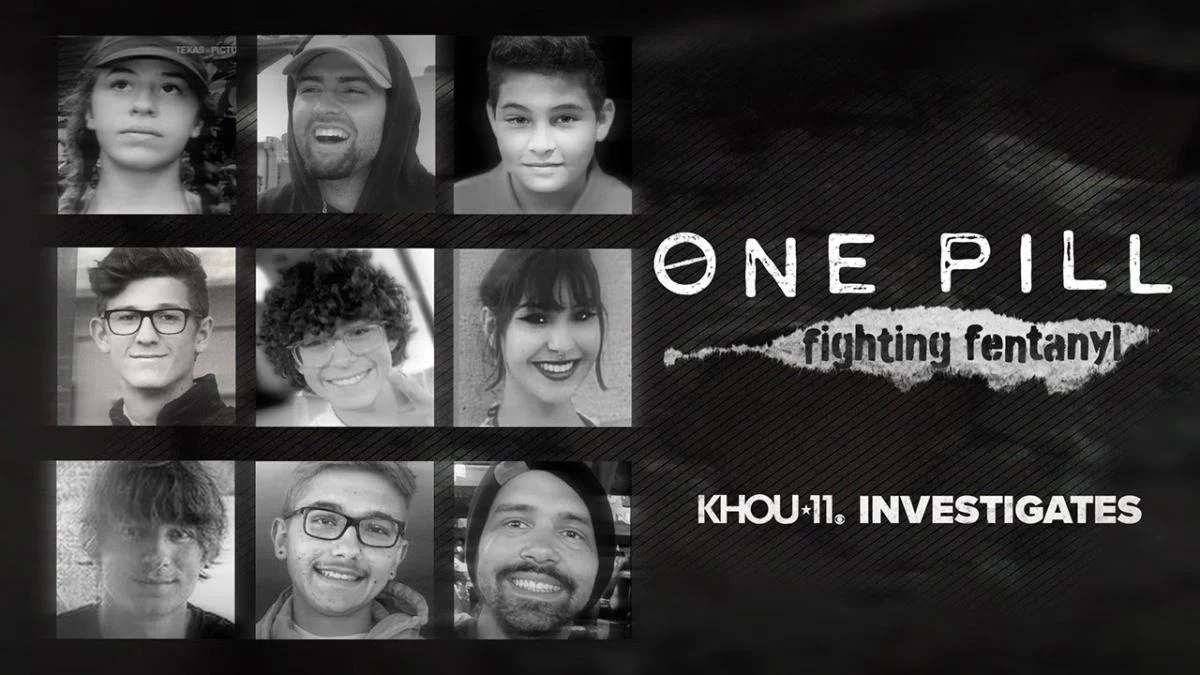
Families across Texas share the devastating impact of fentanyl as overdose deaths rise and increasingly affect young people. Through grieving parents, advocates, survivors, and law enforcement, the investigation explores the dangers of counterfeit pills and the trafficking networks bringing illicit fentanyl into the United States. It also follows parents and organizations who have turned personal loss into advocacy, raising awareness about the risks facing their communities and working to prevent further deaths while law enforcement confronts the challenges of disrupting the fentanyl supply.
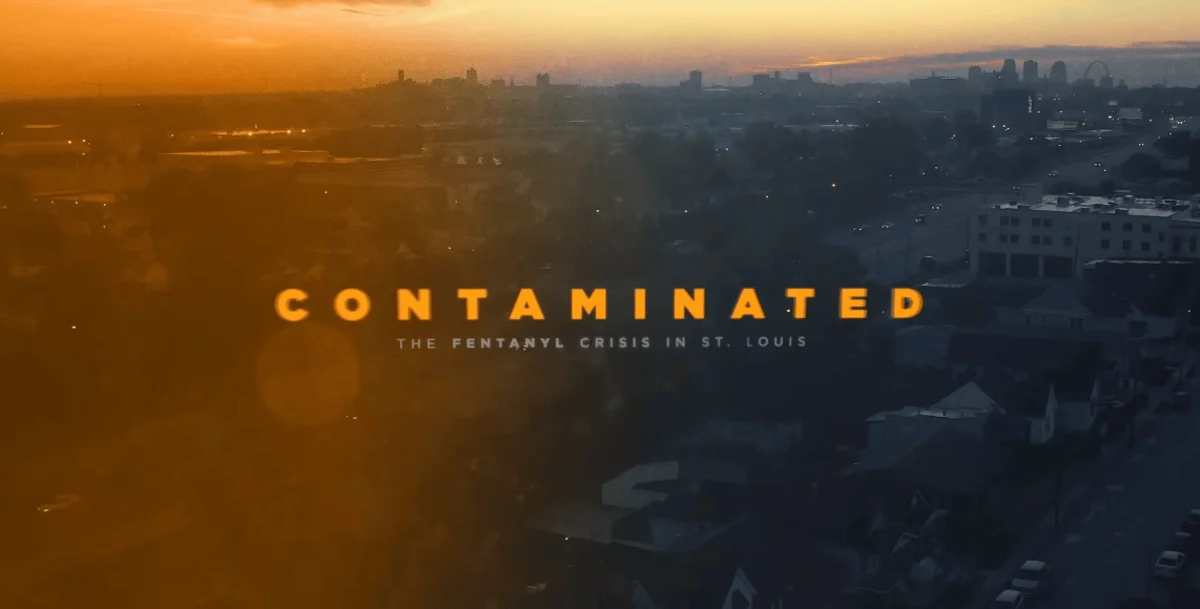
Fentanyl has transformed the overdose crisis in St. Louis, where the synthetic opioid has become a leading contributor to drug-related deaths. Through people in recovery, families, advocates, and treatment professionals, the film explores the human impact of fentanyl while examining where the illicit supply comes from and how the opioid crisis reached this point. It also looks at medications for opioid use disorder, naloxone, relapse, racial disparities in overdose deaths, and local efforts to expand treatment and recovery support throughout the community.
After years of reporting on addiction and the opioid crisis, journalist Angela Kennecke experienced the crisis personally when her 21-year-old daughter, Emily, died from fentanyl poisoning. She shares her family’s story while continuing to investigate the issues affecting other families across South Dakota. Through personal stories and expert perspectives, the special explores fentanyl, overdose, stigma, Good Samaritan laws, drug courts, medication-assisted treatment, and recovery. It also follows Kennecke as she turns the loss of her daughter into advocacy through Emily’s Hope, an organization dedicated to prevention, awareness, and recovery.