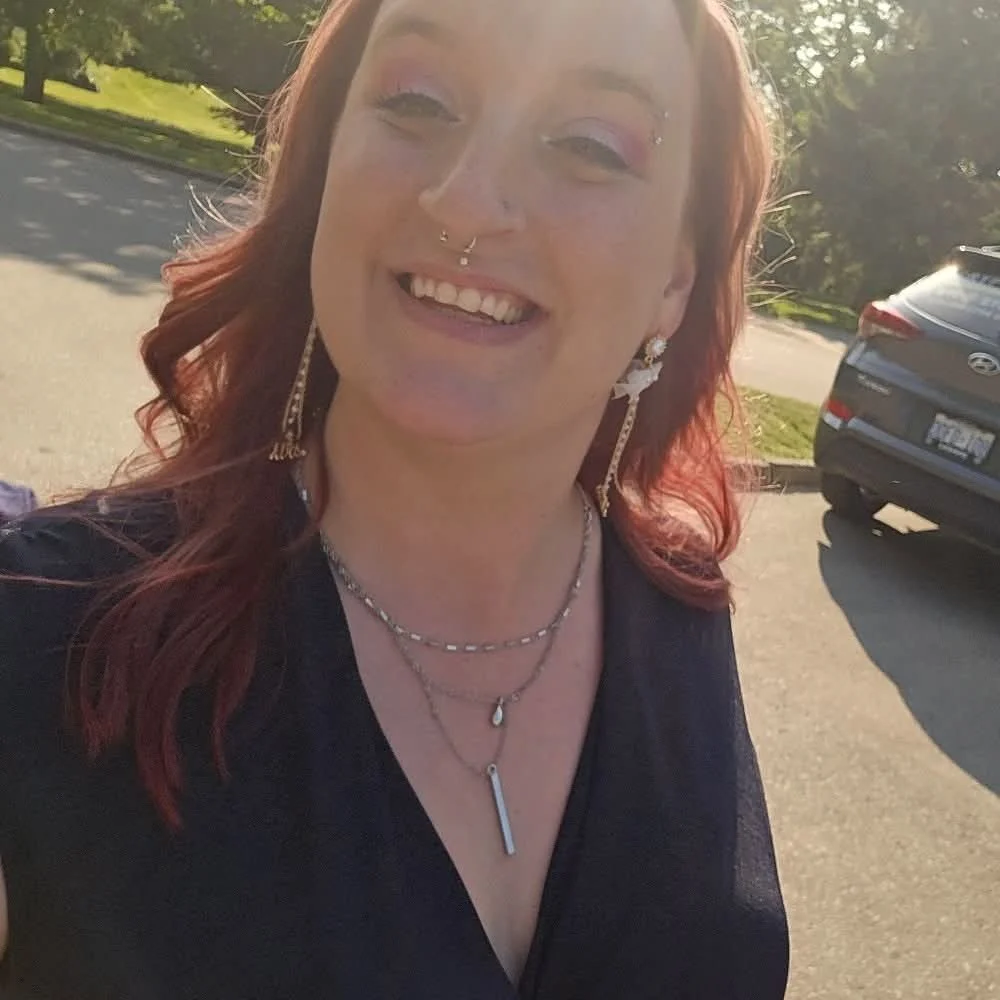
After years of reporting on addiction and the opioid crisis, journalist Angela Kennecke experienced the crisis personally when her 21-year-old daughter, Emily, died from fentanyl poisoning. She shares her family’s story while continuing to investigate the issues affecting other families across South Dakota. Through personal stories and expert perspectives, the special explores fentanyl, overdose, stigma, Good Samaritan laws, drug courts, medication-assisted treatment, and recovery. It also follows Kennecke as she turns the loss of her daughter into advocacy through Emily’s Hope, an organization dedicated to prevention, awareness, and recovery.
Go inside Rhode Island’s opioid epidemic through the experiences of people who use drugs, families, frontline workers, and those in recovery. From overdose prevention and harm reduction to peer support and treatment, the film examines how the state has responded to the crisis while showing the human impact behind the statistics. Personal stories of addiction, loss, relapse, and recovery reveal why keeping people alive and connected to care remains at the heart of Rhode Island’s efforts.
Personal stories of prescription opioid and heroin addiction reveal how quickly substance use can take over a person’s life and affect everyone around them. Individuals and families share experiences of withdrawal, relapse, overdose, grief, and recovery, while professionals discuss the progression of opioid addiction and the risks facing young people. Several stories trace the transition from prescription painkillers to heroin, showing how tolerance, dependence, cost, and the pursuit of a stronger high can lead people down increasingly dangerous paths.
Families who have lost loved ones to fentanyl share their experiences alongside people in recovery, medical professionals, and advocates working across Virginia. Their stories explore counterfeit and fentanyl-laced drugs, the realities of overdose and grief, and the different paths people take toward recovery. The program also visits organizations providing treatment, peer support, and other recovery services while highlighting efforts to raise awareness about fentanyl and help families better understand the risks surrounding an increasingly dangerous drug supply.
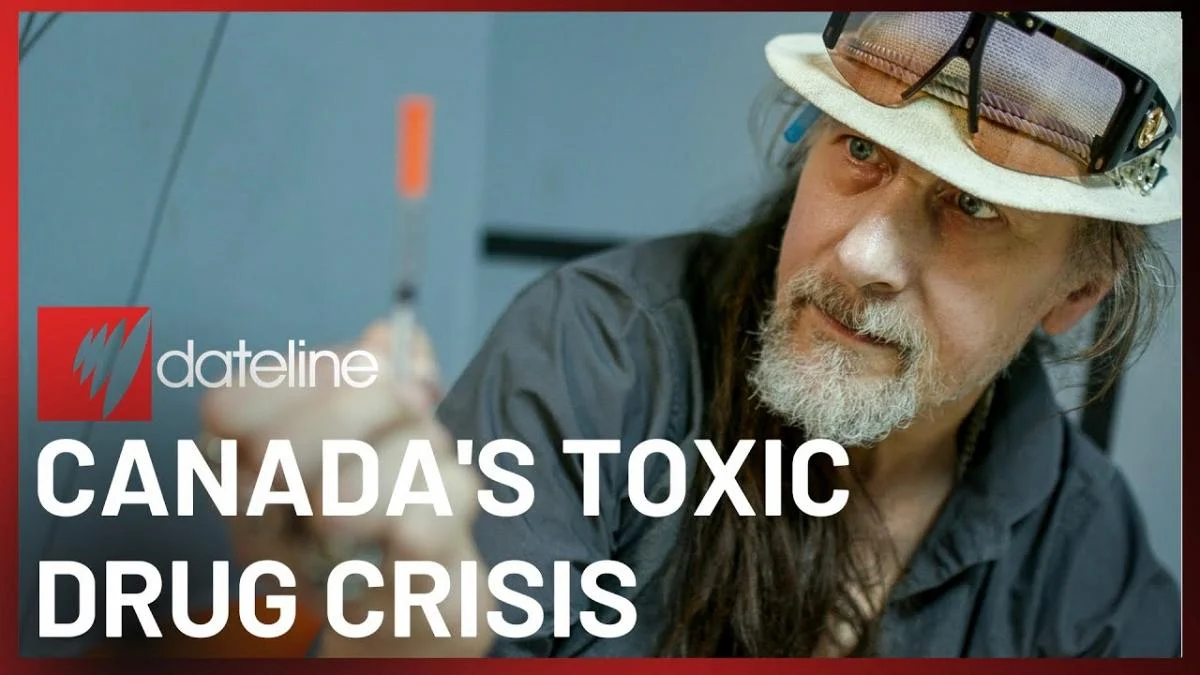
Canada’s toxic drug crisis is examined through families who have lost loved ones, people who use drugs, frontline workers, and harm-reduction advocates. The program looks at the growing presence of fentanyl in the unregulated drug supply and visits overdose prevention and drug-checking services working to reduce deaths. Produced for an Australian audience, it also considers what Canada’s experience could mean for Australia as debates continue around supervised consumption, safer supply, decriminalization, treatment, and how governments should respond to an increasingly unpredictable drug supply.
Families, frontline workers, advocates, and experts share their experiences of Canada’s opioid crisis and the failures that have allowed it to continue. Their stories examine prescription opioid addiction, stigma, drug policy, and the enormous toll of overdose on families and communities. The film also looks at harm reduction and decriminalization, questioning decades of punitive approaches to drug use while highlighting the people and organizations pushing for a public health response that focuses on keeping people alive.
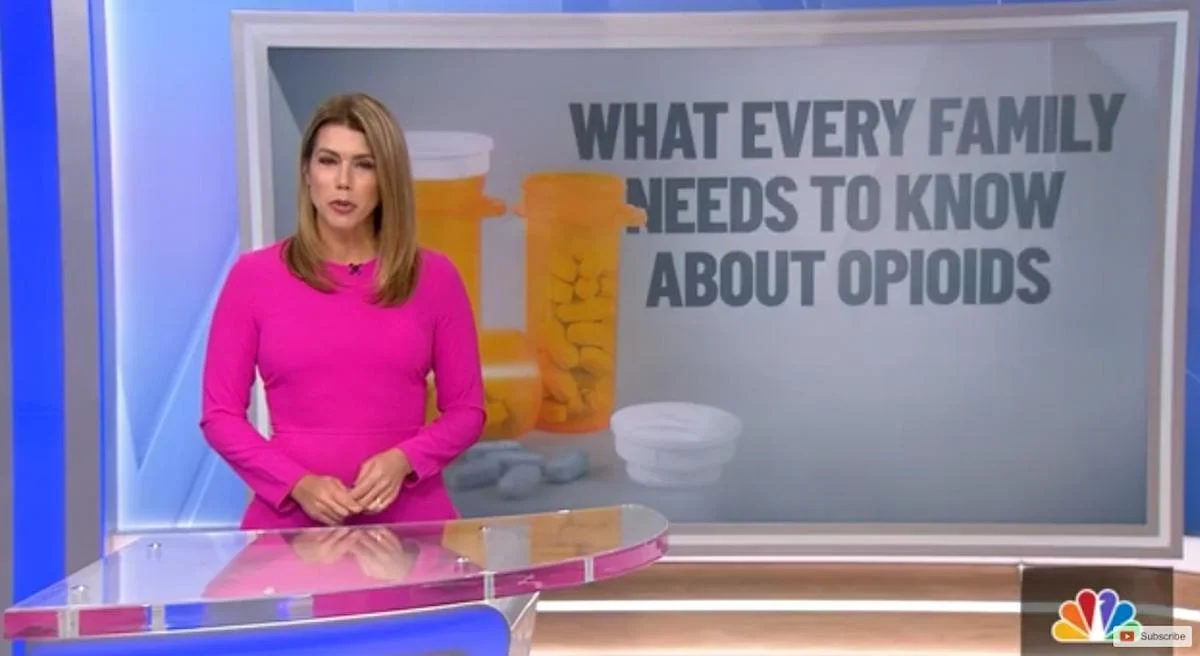
Personal stories, expert insight, and practical prevention strategies come together in this examination of the opioid crisis and its impact on families. Medical professionals, law enforcement, parents, and recovery advocates discuss prescription opioid addiction, the growing threat of fentanyl and counterfeit pills, and the importance of educating young people about substance use. Alongside stories of addiction, trauma, and loss, the program looks at what parents can do to build trust, encourage open communication, recognize risks, and help protect their children.
Real stories of heroin addiction, overdose, grief, and recovery reveal the devastating impact of the opioid crisis on individuals and families. Parents who have lost children share their experiences alongside people in recovery and professionals working in addiction treatment. Their stories explore the powerful effects of prescription opioids, the progression from painkillers to heroin, and the realities of treatment and long-term recovery. At the center is a mother who turned the loss of her son into an effort to raise awareness and help prevent other families from experiencing the same tragedy.
Arizona's opioid epidemic is explored through the experiences of people whose addiction began with legally prescribed painkillers. The film follows patients, families, healthcare professionals, and individuals in recovery as they examine how routine injuries, overprescribing, and growing opioid tolerance contributed to a public health crisis. It also highlights the unique risks facing young people, the transition from prescription opioids to heroin, and the efforts of communities, universities, and treatment providers to intervene early and support lasting recovery.
This documentary explores the opioid crisis in Western Pennsylvania through the voices of people whose lives have been shaped by heroin addiction. Featuring individuals in recovery, grieving families, healthcare professionals, and community advocates, the documentary examines how prescription opioids, stigma, and untreated addiction contributed to a growing public health crisis. Alongside stories of loss, it highlights the people and organizations working to expand treatment, support families, and reduce overdose deaths, offering a message that recovery and hope remain possible.