Anthropologist Natasha Dow Schüll shares insights from her fifteen years of research into how slot machines are intentionally designed to encourage prolonged play. Drawing on interviews with casino designers, industry insiders, and people experiencing gambling addiction, she explains how features such as rapid game speed, immersive environments, and continuous rewards can draw players into the "machine zone"—a trancelike state where time, money, and self-awareness begin to fade. The discussion offers a compelling look at the psychology, technology, and design principles behind modern machine gambling.
This documentary investigates Afghanistan's booming opium trade and the complex challenges driving one of the world's largest illicit drug economies. Travelling from poppy fields to addiction hotspots, the film examines how poverty, conflict, corruption, and political instability have fueled both heroin production and widespread drug use. Through interviews with farmers, law enforcement officials, healthcare workers, and people affected by addiction, it explores the limitations of anti-drug efforts while highlighting the far-reaching consequences of the opium trade for Afghanistan and the international community.
TOPICS: Afghanistan, Drug Trafficking, Heroin, Homelessness, Law Enforcement, Opioids, Poverty, Public Health
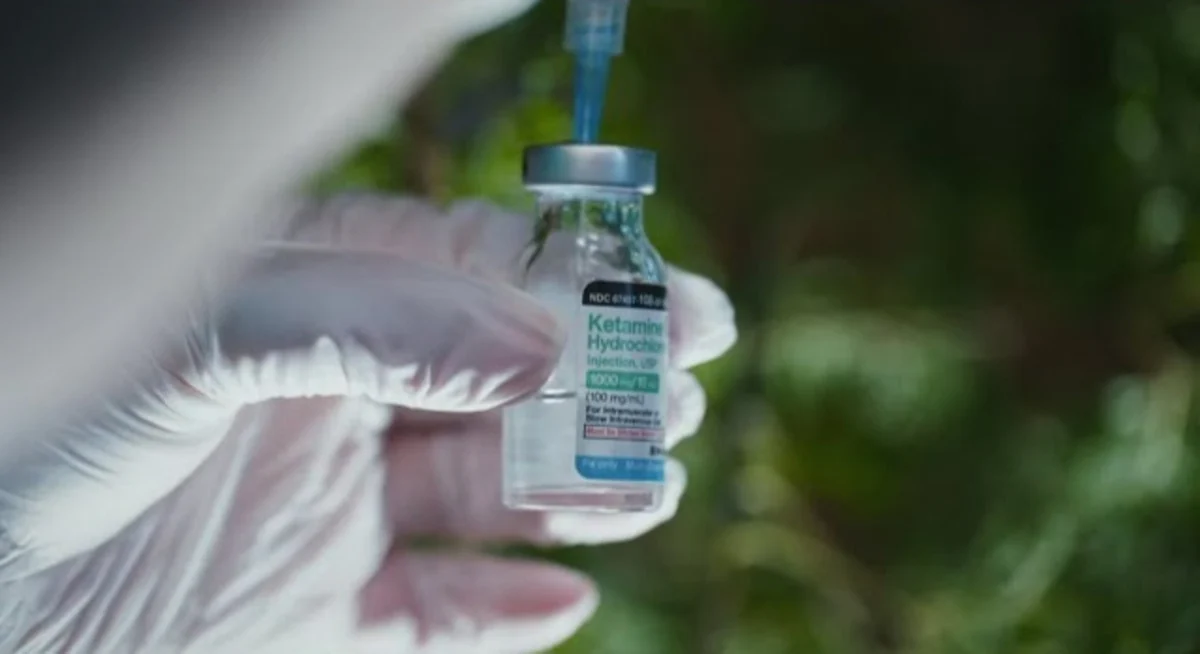
Hamilton Morris explores the science and history of ketamine through conversations with artist and writer Timothy Wyllie, as well as doctors, therapists, and other experts. Travelling to India to investigate the drug's production and use, he examines ketamine's medical applications, recreational use, and emerging role in mental health treatment. By combining personal perspectives with scientific discussion, the episode offers an accessible look at one of the world's most distinctive psychoactive substances and the evolving understanding of its effects on the mind.
Ketamine has become increasingly common among young people in the UK, where its low cost and reputation as a versatile party drug can obscure the risk of serious harm. Following journalist Matt Shea through Bristol’s nightlife and free-party scene, this report explores how recreational use can progress into dependence, debilitating bladder damage, and other long-term health complications. Personal accounts, clinical explanations, and conversations with people involved in the drug trade reveal why ketamine has become so firmly associated with a generation—and why its growing popularity is raising urgent public health concerns.
TOPICS: Dissociatives, Ketamine, Personal Stories, Public Health, United Kingdom, Youth
As the unregulated drug supply becomes increasingly unpredictable, new combinations of synthetic substances are making overdoses more difficult to prevent and treat. This documentary investigates the emergence of "benzo dope" and "tranq"—street drugs containing fentanyl mixed with benzodiazepines or xylazine—and examines the devastating impact these combinations are having on people, families, healthcare providers, and frontline outreach workers. Through firsthand accounts and expert perspectives, this resource explores how a rapidly changing drug supply is reshaping the overdose crisis and reinforcing the importance of harm reduction, education, and timely access to care.
Many people who struggle with alcohol don't fit the stereotype of what an alcohol problem looks like. In this honest and deeply personal documentary, Adrian Chiles reflects on his own drinking habits while exploring why alcohol has become such a normal part of everyday life. Through medical assessments, conversations with addiction specialists, and personal reflection, he examines the physical and psychological effects of long-term drinking and asks whether moderation is possible. This resource offers a relatable and thought-provoking look at alcohol use that challenges common assumptions about dependence and recovery.
Blending documentary filmmaking with poetry and song, this distinctive 1998 BBC production offers a powerful and deeply human portrait of England's drinking culture. Through the voices of people whose lives have been shaped by alcohol, their experiences unfold in lyrical performances that capture moments of humour, sorrow, addiction, and reflection. Rather than relying on narration or traditional interviews alone, this resource uses an innovative storytelling style to explore the personal, social, and emotional realities of alcohol use in a way that remains as thought-provoking today as it was when first released.
TOPICS: Alcohol, Depressants, Drinking Culture, United Kingdom
Many people associate alcohol-related harm with binge drinking, yet some of the greatest risks come from drinking patterns that often go unnoticed. This documentary explores the growing culture of drinking at home, where regular alcohol use can quietly become part of everyday life without obvious warning signs. Through personal stories, medical assessments, and expert insights, this resource examines how hidden drinking habits affect physical and mental health while encouraging viewers to recognize the difference between social drinking and alcohol use that may be causing harm.
Recovery is rarely a straight path, even for those who dedicate their lives to helping others overcome addiction. In this candid documentary, addiction therapist Michael Pond reflects on his own struggle with alcohol use disorder, repeated relapse, and the shortcomings of traditional treatment approaches. Combining lived experience with evidence-based perspectives, this resource explores the realities of recovery, the importance of individualized care, and why compassion, science, and hope are essential to helping people build lasting change.
Alcohol has played a central role in British history and culture for centuries, yet its impact on society is often overlooked. This thought-provoking documentary explores the nation's complex relationship with drinking through interviews with addiction specialists, medical experts, researchers, and people with lived experience, including Russell Brand. Examining the science of alcohol, binge drinking culture, industry influence, and the stigma surrounding addiction, this resource encourages viewers to reconsider one of society's most accepted drugs and the widespread harm it can cause.