Baby Boomers and older adults can face unique risks related to problem gambling, including retirement, isolation, increased free time, financial losses, and easy access to gambling. Through personal experiences and expert perspectives, this documentary examines gambling addiction in later life and the emotional, psychological, and financial consequences that can follow. It also explores why casinos and other forms of gambling may become important social spaces for older adults, challenges misconceptions about gambling addiction and willpower, and emphasizes that recovery remains possible at any age.
After losing their sons to drug overdoses, two Orange County mothers set out to educate young people about prescription drugs, addiction, and overdose. Through firsthand accounts from grieving parents, young people affected by addiction, and addiction professionals, this documentary explores how experimentation can develop into devastating substance use problems. Created as a prevention tool for young audiences and families, it challenges assumptions about who can develop an addiction while emphasizing the consequences of drug use, the warning signs families should recognize, and the importance of honest conversations.
As prescription drug misuse grew across Tennessee, communities began confronting doctor shopping, medication diversion, overdose, and increasing access to controlled substances. This documentary examines an early response to what would later become a nationwide opioid crisis, bringing together perspectives from law enforcement, healthcare professionals, pharmacists, coalition leaders, and people directly affected. It explores prescription monitoring, youth prevention, community partnerships, and the challenges of distinguishing legitimate pain treatment from problematic drug use while capturing the warning signs of a rapidly developing public health crisis.
Prescription opioid dependence can affect people of all ages and backgrounds, including those who first encounter opioids through legitimate pain treatment. Focusing on communities in Ontario, this documentary combines personal experiences with perspectives from healthcare professionals, treatment providers, and community leaders. It examines opioid withdrawal, stigma, harm reduction, methadone treatment, counselling, and other approaches to recovery while exploring the challenges of balancing pain management with the risks of prescription opioids and responding to addiction as a public health issue.
Thailand's 2003 war on drugs unleashed a violent crackdown on suspected drug users and dealers as authorities faced intense pressure to meet government targets. This investigation follows police, local officials, journalists, and community members as blacklists, arrests, and killings spread across the country. While the government blamed much of the violence on drug traffickers silencing informants, critics raised concerns about extrajudicial killings and innocent people being caught in the campaign. The film examines the fear, stigma, and human cost of an enforcement strategy intended to suppress Thailand's growing yaba crisis.
TOPICS: Crime, Drug Trafficking, Law Enforcement, Methamphetamine, Stigma, Stimulants, Thailand, Yaba
Germany has become an important destination in Europe's growing cocaine market, with international trafficking networks using ports and emerging smuggling routes to move enormous quantities of the drug across borders. From a record-breaking 16-ton seizure at the Port of Hamburg to new routes through Kenya, this documentary follows cocaine's journey from South America to dealers and consumers in Europe. Through law enforcement, experts, and personal stories, it explores the profits, violence, enforcement challenges, and economic conditions driving an increasingly globalized cocaine trade.
The Netherlands has become a major hub in Europe's cocaine trade, with criminal networks using ports such as Rotterdam and Antwerp to move enormous quantities of drugs into the continent. This documentary investigates the groups commonly associated with the Mocro Mafia and the violence, corruption, and intimidation surrounding the lucrative cocaine trade. Through investigators, journalists, and law enforcement officials, it examines port security, drug seizures, organized crime, and the Marengo trial involving Ridouan Taghi, revealing how trafficking networks have extended their influence deep into Dutch society.
TOPICS: Cocaine, Crime, Drug Trafficking, Law Enforcement, Netherlands
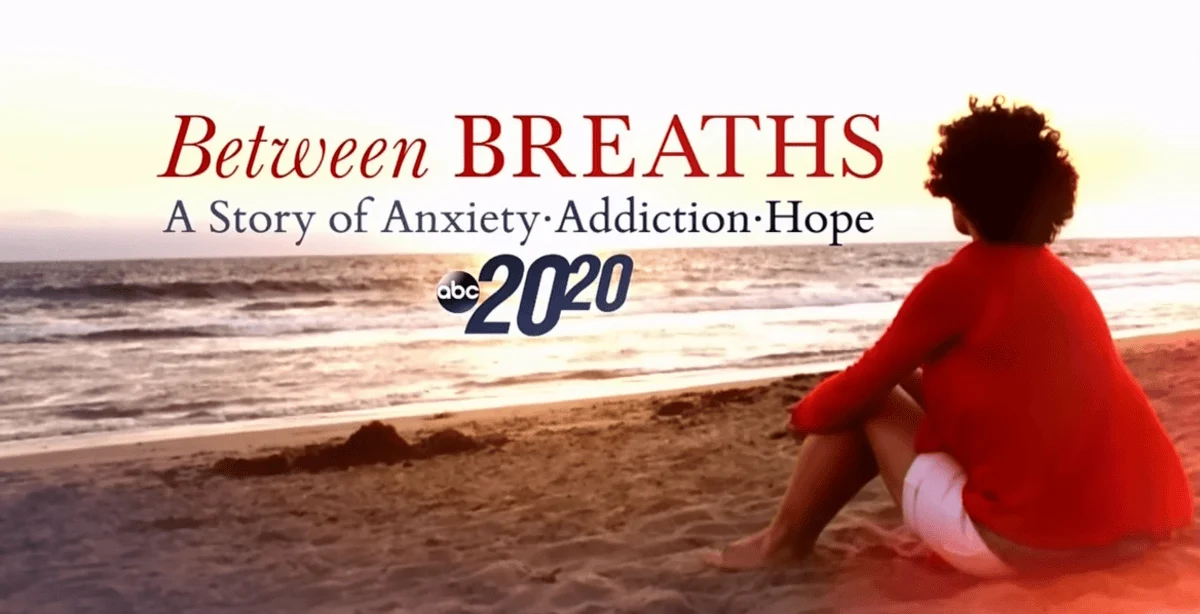
Journalist Elizabeth Vargas speaks candidly with Diane Sawyer about her experiences with anxiety, alcohol addiction, treatment, relapse, and recovery. Behind a successful career at ABC News, Vargas struggled with severe anxiety and increasingly relied on alcohol to cope, eventually entering treatment multiple times. She reflects on hiding her addiction, resisting help, and the impact her drinking had on her family and career. Through her story, the interview explores the connection between anxiety and alcohol use disorder, the realities of relapse, and the ongoing commitment required in recovery.
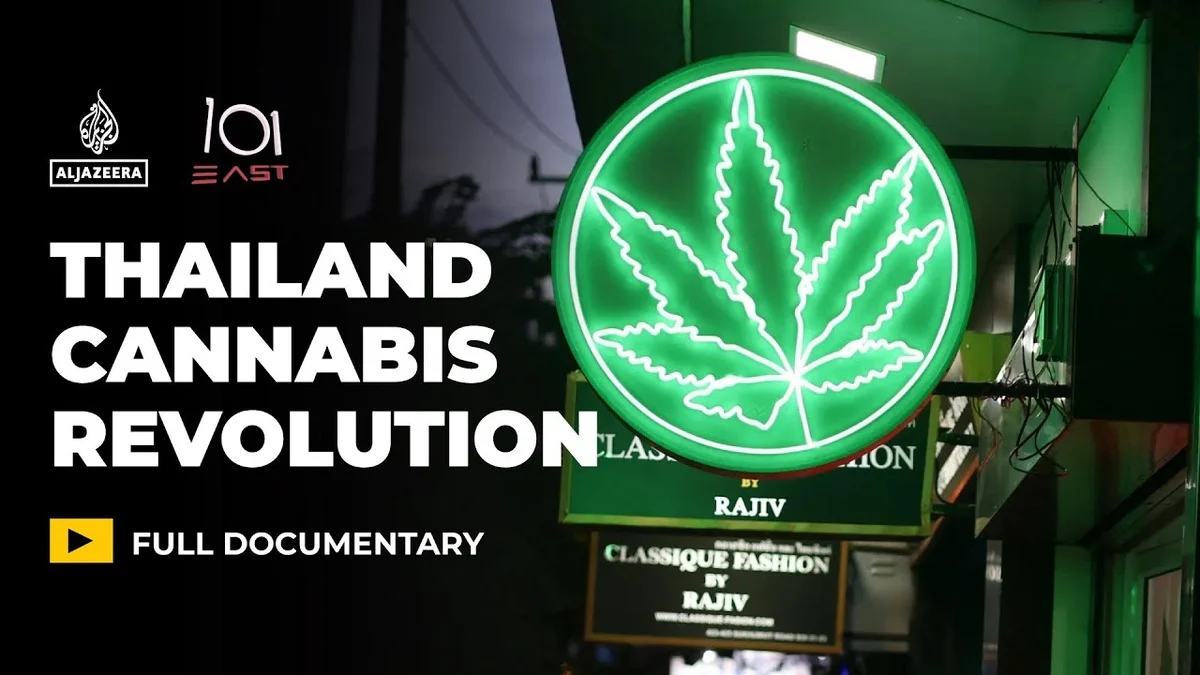
Thailand's decision to legalize medical cannabis marked a dramatic departure from decades of strict drug prohibition. This 101 East investigation examines the country's emerging cannabis industry through researchers, patients, farmers, politicians, and traditional practitioners navigating the new policy. From university laboratories and government clinics to Buddhist temples offering cannabis products, the documentary explores hopes for new treatments and economic opportunities alongside concerns about safety, regulation, and exaggerated medical claims. As enthusiasm grows around the plant, the investigation asks whether Thailand's promised cannabis revolution represents meaningful change or a mixture of politics, profit, and hype.
TOPICS: Cannabis, Decriminalization, Public Health, Science & Research, Thailand
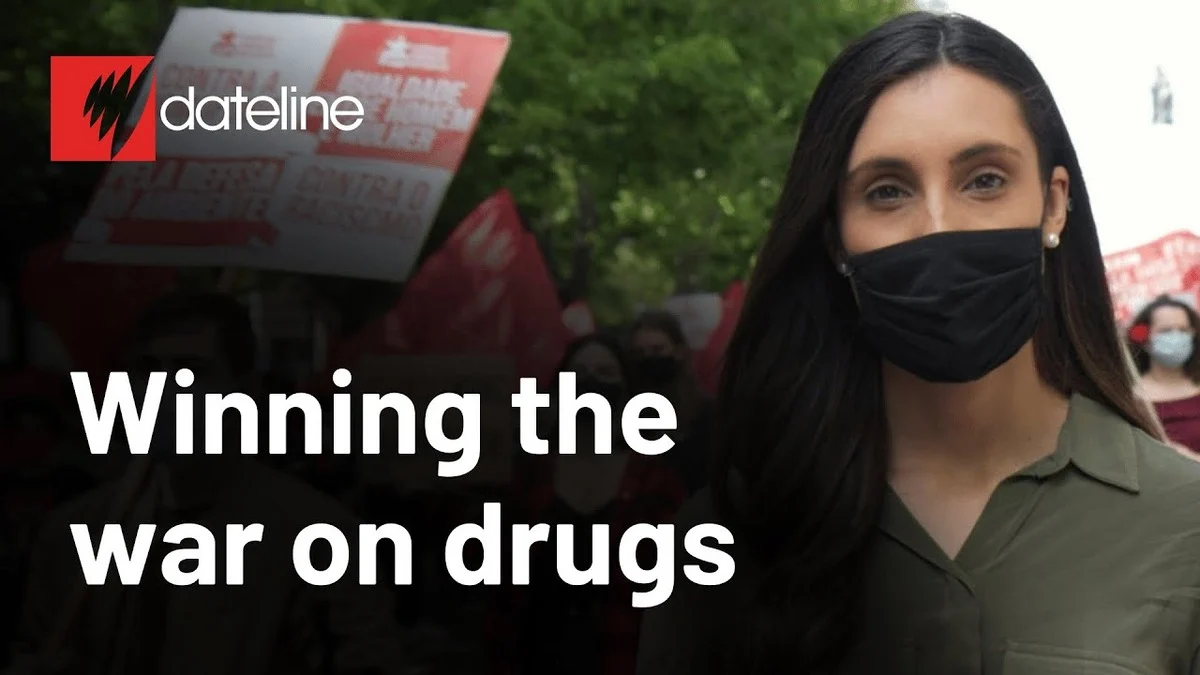
In 2001, Portugal transformed its approach to drugs by decriminalizing possession of small amounts for personal use and shifting its focus toward health, treatment, and harm reduction. Two decades later, SBS Dateline travels to Lisbon to examine how the policy works in practice and what impact it has had on addiction, overdose deaths, and people who use drugs. Through policymakers, frontline workers, and personal stories, the investigation explores Portugal's progress, the problems that remain, and whether countries such as Australia could learn from its approach to drug policy.