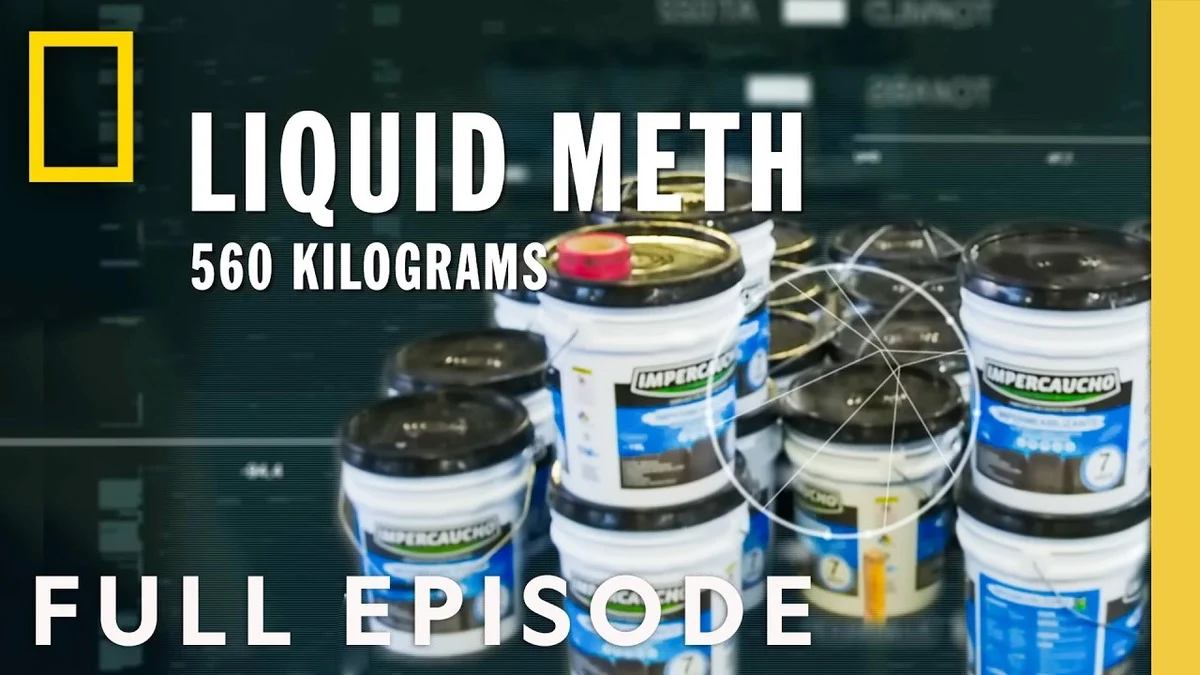
Homeland Security Investigations and Customs and Border Protection track major drug smuggling operations entering the United States in this episode of To Catch a Smuggler. Investigators follow methamphetamine shipments through Atlanta and uncover 560 kilograms of liquid meth concealed inside paint buckets, while officers intercept large quantities of MDMA hidden in international parcels. Along the way, agents explain how trafficking organizations move drugs across borders, recruit lower-level couriers, conceal narcotics in everyday shipments, and build investigations designed to identify higher-ranking members of criminal networks.
TOPICS: Crime, Drug Trafficking, Ecstasy / MDMA, Law Enforcement, Methamphetamine, Stimulants, USA
Thailand's decision to remove cannabis from its narcotics list created a rapidly expanding industry almost overnight, opening new opportunities for farmers, entrepreneurs, dispensaries, and tourism. Travelling across the country, SBS correspondent Mazoe Ford examines the legal grey areas surrounding recreational use, the economic promise of cannabis, and concerns from medical professionals about regulation and public health. The investigation also looks at Thailand's history of cannabis prohibition and traditional medical use, capturing a dramatic moment in drug-policy reform before the government later moved to restrict cannabis primarily to medical purposes.
TOPICS: Cannabis, Decriminalization, Public Health, Thailand
SBS Dateline travels to Thailand to examine a changing war on drugs as the country confronts widespread yaba use, methamphetamine trafficking, prison overcrowding, and decades of punitive drug policies. Filmed during Thailand's historic move to decriminalize cannabis, the investigation follows anti-trafficking units, social workers, formerly incarcerated people, and communities affected by drug use. It also travels to the Golden Triangle, where instability in neighbouring Myanmar and the growth of synthetic drug production have transformed regional trafficking and contributed to an enormous supply of cheap methamphetamine flowing into Thailand.
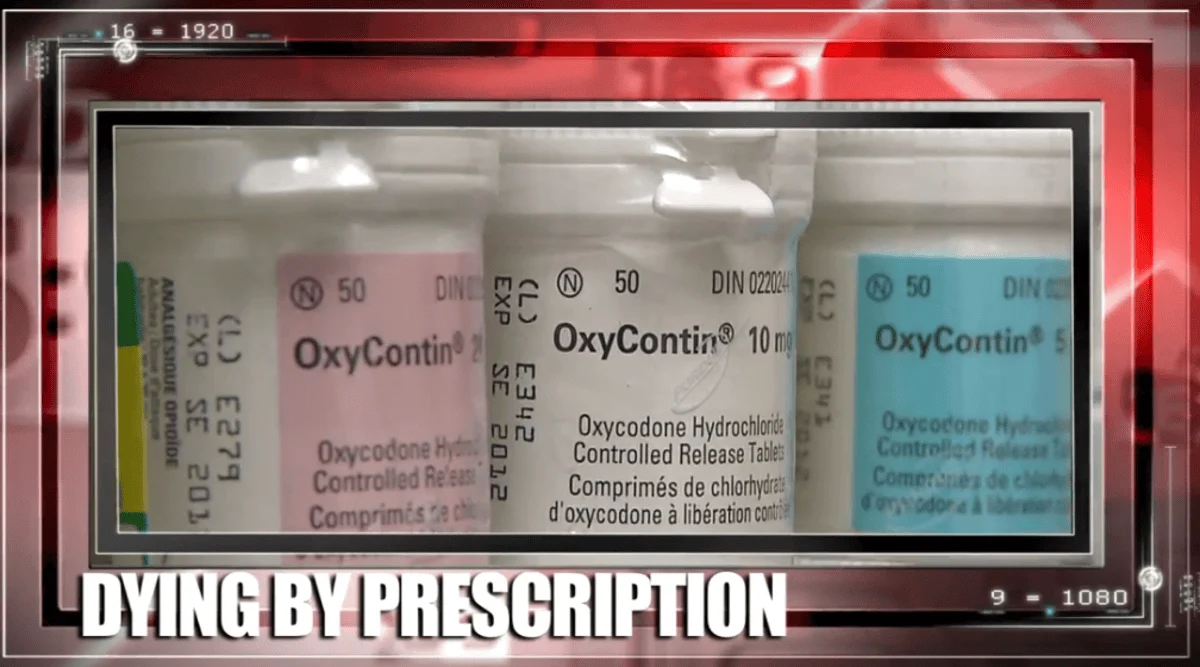
This 2012 Global News investigation examines the OxyContin controversy in Canada through the experiences of patients, grieving families, researchers, and medical professionals. As prescriptions for the powerful pain medication increased, so did concerns about addiction, overdose, and the way its risks had been presented to doctors and patients. The report investigates Purdue Pharma's marketing of OxyContin, its influence within pain medicine, and allegations that the drug's potential for addiction was deliberately downplayed, while revealing the devastating consequences prescription opioid use had already left behind.
VICE travels to Bogotá, Colombia, to investigate scopolamine, a drug notorious for its association with robberies, assaults, and stories of victims losing control of their actions. Through encounters with victims, dealers, and local experts, the investigation examines the effects and criminal use of scopolamine, its origins in poisonous plants, and its legitimate medical applications. It also explores the disturbing stories that have earned it the nickname "The Devil's Breath," while revealing how documented cases of drug-facilitated crime have become intertwined with sensationalized claims, mythology, and urban legends surrounding the drug.
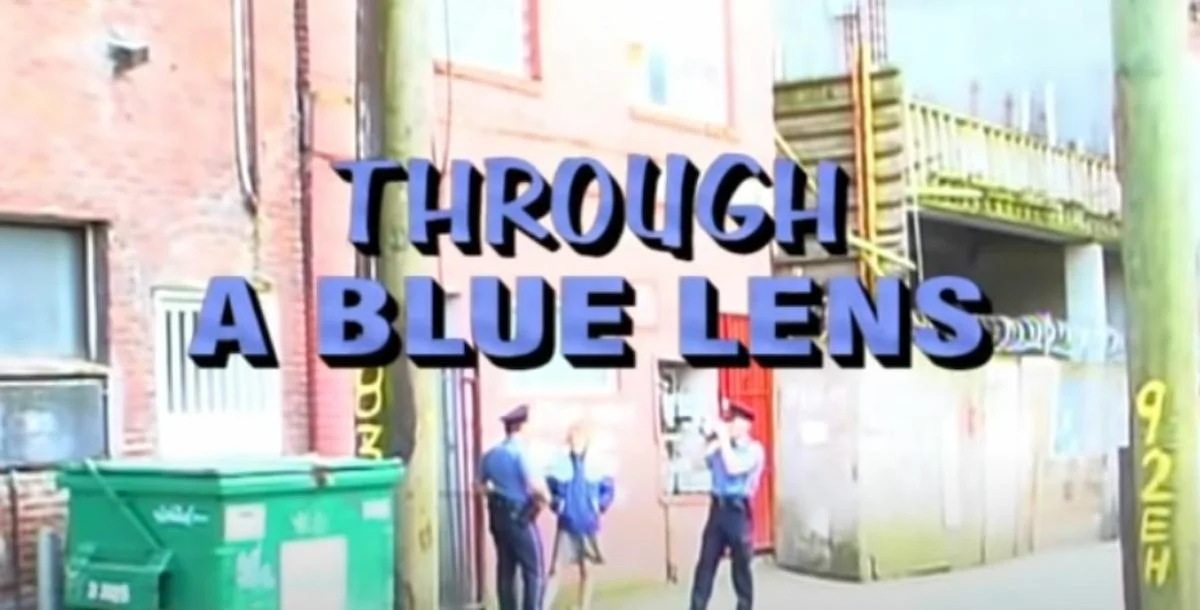
Vancouver police officers turn their cameras toward the Downtown Eastside, documenting the lives of people experiencing addiction, homelessness, poverty, and severe social marginalization. Through repeated encounters and personal stories, the film follows individuals living on the streets while showing how officers’ attitudes begin to shift as they learn more about the people behind the addiction. Originally created in part as a drug-awareness project for youth, the documentary offers a stark look at substance use, stigma, survival, and the human consequences of life in one of Vancouver’s most vulnerable communities.
TOPICS: Canada, Homelessness, Law Enforcement, Personal Stories, Poverty, Public Health
For many students, heavy drinking is treated as a normal part of college life—but when does it become a problem? Following Rachel, a student who struggles to recognize the severity of her binge drinking, this documentary examines the normalization of alcohol misuse and the consequences that can follow. Alongside her story, individuals in recovery reflect on blackouts, trauma, addiction, and the experiences that eventually led them to seek help, revealing how quickly drinking can shift from a social activity into something that affects nearly every part of a person's life.
TOPICS: Alcohol, Alcohol Use Disorder, Drinking Culture, Personal Stories, Recovery, USA, Youth
Australians are among the world's biggest consumers of ecstasy, but where does MDMA actually come from? This investigation follows the drug from clandestine laboratories and chemical suppliers to international trafficking networks and the people who consume it. Travelling from Australia to the Netherlands, reporters examine MDMA production, precursor chemicals, the dark web, and the criminal networks supplying the global market. The investigation also explores Dutch drug policy and harm reduction, revealing a very different approach to drug education while examining the risks surrounding one of the world's most popular party drugs.
Across Arkansas, individuals and families share deeply personal experiences of opioid addiction, overdose, loss, and recovery. Their stories reveal how prescription opioids, heroin, and fentanyl have shaped the state's opioid crisis, while experts explain how dependence and opioid use disorder can develop and why the drug supply has become increasingly dangerous. Alongside accounts of repeated overdose and lives lost are stories of survival and recovery, highlighting the work of healthcare professionals, advocates, families, and communities responding to the crisis and supporting people as they rebuild their lives.
San Diego County has become a major battleground in the fentanyl crisis, with counterfeit pills, drug trafficking, and online drug markets contributing to a devastating rise in overdose deaths. Families, survivors, law enforcement, medical professionals, and community advocates share their experiences while examining how fentanyl reaches local communities and why young people are particularly vulnerable. The investigation also explores efforts to save lives through naloxone, fentanyl test strips, low-barrier care, and medications for opioid use disorder, showing how prevention and treatment have become critical parts of the response.