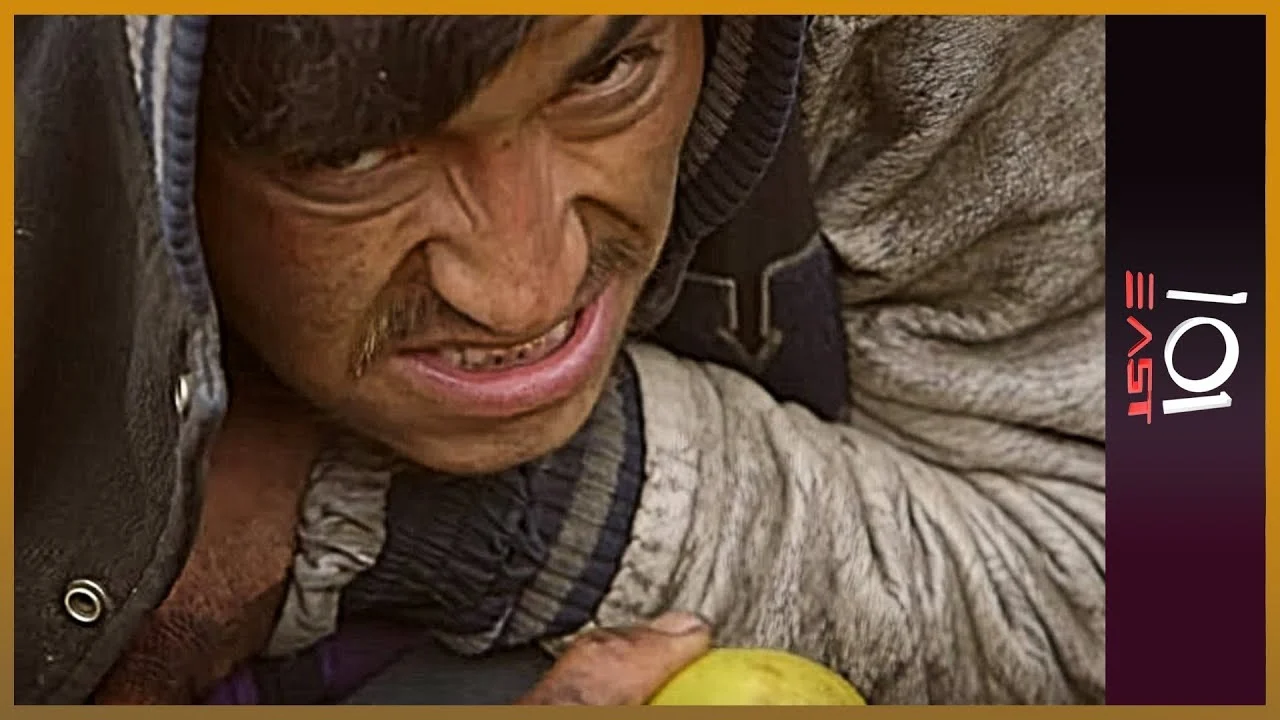
This documentary examines the homelessness crisis in Los Angeles, exploring the complex social, economic, and public health factors that have contributed to one of the largest unhoused populations in the United States. Through interviews with experts, outreach workers, policymakers, and people experiencing homelessness, it examines the challenges of housing affordability, mental illness, addiction, and systemic barriers to recovery. The film also explores current approaches to addressing the crisis, highlighting both the progress made and the difficult questions that continue to shape the city's response.
TOPICS: Homelessness, Personal Stories, Poverty, Public Health, Stigma, USA
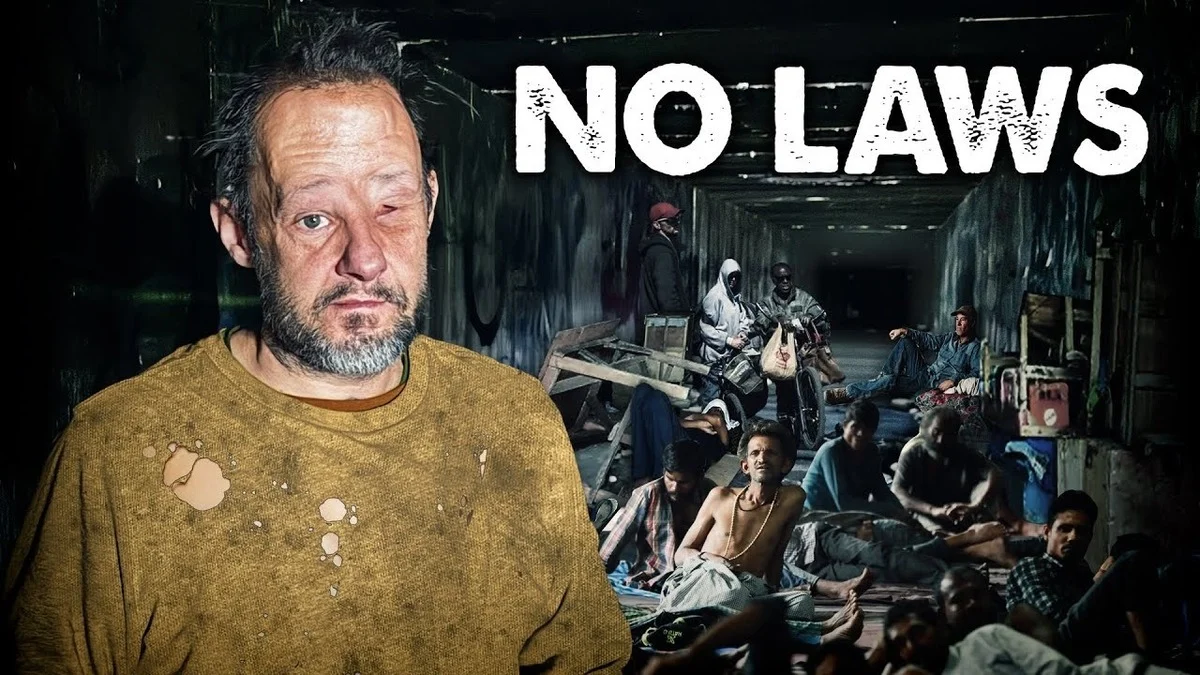
This documentary explores the hidden community living in the storm drain tunnels beneath Las Vegas, where hundreds of people experiencing homelessness struggle with addiction, poverty, and the daily challenges of surviving off the grid. Guided by a former tunnel resident who now works in outreach, Drew Binsky meets the people who call the tunnels home and hears their stories firsthand. Along the way, the film highlights the work of a local nonprofit helping residents access housing, treatment, and support as they work toward rebuilding their lives.
TOPICS: Homelessness, Non-Profits, Personal Stories, Poverty, Public Health, Stigma, USA
This documentary examines the addiction and homelessness crisis in Seattle, where rising rates of substance use, visible homelessness, crime, and public disorder have fueled growing concern throughout the community. Through interviews with people living with addiction, business owners, law enforcement, healthcare professionals, and local residents, it explores competing perspectives on what has driven the crisis and how it should be addressed. The film also examines treatment options, public policy, and the challenges of balancing compassion, accountability, and public safety.
This FRONTLINE documentary examines the rise of the methamphetamine epidemic in the United States, tracing how the drug spread from localized production to a nationwide crisis affecting individuals, families, and communities. It explores the role of precursor chemicals such as ephedrine and pseudoephedrine, the evolution of meth production and trafficking, and the challenges of regulating legitimate medications used to manufacture the drug. Through interviews with researchers, law enforcement, healthcare professionals, and people affected by addiction, the film investigates the devastating impact of methamphetamine and the difficulties of containing its spread.
This documentary explores Boston's Methadone Mile, an area where addiction treatment services exist alongside homelessness, open drug use, and illicit drug markets. Through interviews with healthcare professionals, people living with addiction, individuals in recovery, and street-level dealers, it examines the challenges of recovery in an environment where support and relapse triggers often coexist. The film also explores the policies and circumstances that contributed to the area's development and the ongoing efforts to address the crisis.
This documentary travels across Canada to examine the country's overdose crisis through the experiences of advocates, families, frontline workers, and people directly affected by substance use. Focusing on harm reduction, it explores the efforts being made to prevent overdose deaths, reduce stigma, and improve access to support and life-saving services. Through personal stories and community initiatives, the film offers a broad look at one of Canada's most urgent and ongoing public health challenges.
Dr. Luke Clark examines gambling disorder through the lens of psychology and neuroscience, explaining how modern research has reshaped the understanding of this behavioural addiction. The presentation explores the cognitive, biological, and environmental factors that contribute to gambling-related harm, drawing on evidence from brain imaging, behavioural studies, and clinical research. Along the way, Dr. Clark discusses how gambling affects decision-making, reward processing, and brain function while highlighting the implications these findings have for treatment, prevention, and public policy.
Inside one of Kabul's largest drug rehabilitation centres, A Second Shot offers a stark look at addiction in Afghanistan through the experiences of residents, families, volunteers, and staff. The documentary follows those living inside the centre as they endure severe withdrawal, homelessness, poverty, family breakdown, and limited access to medication and basic care. Set against Afghanistan's strained healthcare system and declining international aid, it explores the human consequences of addiction and the challenges of providing treatment with few resources.
This documentary investigates Afghanistan's booming opium trade and the complex challenges driving one of the world's largest illicit drug economies. Travelling from poppy fields to addiction hotspots, the film examines how poverty, conflict, corruption, and political instability have fueled both heroin production and widespread drug use. Through interviews with farmers, law enforcement officials, healthcare workers, and people affected by addiction, it explores the limitations of anti-drug efforts while highlighting the far-reaching consequences of the opium trade for Afghanistan and the international community.
TOPICS: Afghanistan, Drug Trafficking, Heroin, Homelessness, Law Enforcement, Opioids, Poverty, Public Health
Ketamine has become increasingly common among young people in the UK, where its low cost and reputation as a versatile party drug can obscure the risk of serious harm. Following journalist Matt Shea through Bristol’s nightlife and free-party scene, this report explores how recreational use can progress into dependence, debilitating bladder damage, and other long-term health complications. Personal accounts, clinical explanations, and conversations with people involved in the drug trade reveal why ketamine has become so firmly associated with a generation—and why its growing popularity is raising urgent public health concerns.
TOPICS: Dissociatives, Ketamine, Personal Stories, Public Health, United Kingdom, Youth